
Vandaag of morgen in huis

Kwaliteit gegarandeerd

Welkomstaanbiedingen ontgrendelen: GRATIS bezorging | Tot 80% korting | Gratis 30 dagen JoyPlus-proefperiode
Download de app
Fancy some Asian snacks, but not sure which pack really suits your taste or needs? Online shops offer mochi, Japanese cake, Taiwanese mochi, pineapple cake, Baumkuchen and Asian biscuits all side by side. The difference isn’t just about flavour. Ingredients, portion size, allergens and shelf life all determine whether a purchase works out well.
“Pineapple” or “mango” on the front doesn’t automatically mean the product is mostly fruit. Always check the ingredients list and the percentage. The Yuki & Love Pineapple Cake 120 g, for example, states 36.7% pineapple filling. The Hsu Fuchi Pineapple Cake 184 g lists 13% pineapple filling, combined with winter melon filling.
Texture is a key part of Asian desserts. Mochi should be soft and elastic, while biscuits should stay crunchy. After opening, moisture, heat and direct sunlight can affect the structure. Products like mochi should be stored in a cool, dry place according to the product information, and consumed quickly after opening.
A product with a halal label can still contain egg, milk, wheat or soya. The Taiyo Halal Certified Baumkuchen Cake contains, according to the product information, eggs, wheat, milk and soya. So always check both the certification details and the allergen declaration. If you need to avoid gluten, milk, egg, peanuts, nuts or sesame, it’s also worth reading the “may contain traces” warning.
A 120-gram pack can consist of several small pieces, while a 52-gram cake might be a single portion. Individually wrapped snacks are handy for a lunchbox, the office or as a treat. The Yuki & Love Mango Mochi, for instance, contains 8 pieces in a 120-gram pack. The Taiyo Baumkuchen Honey is sold as 60 g × 12, which is better suited for sharing or stocking up at home.
Pay attention to the base of the snack:
The term “Japanese mochi” doesn’t automatically mean it’s made in Japan. The Yuki & Love mochi in this selection states Taiwan as the country of origin. That doesn’t make the snack any less suitable, but it’s useful information if you’re specifically looking for snacks from Japan.
In the UK, allergens must be clearly stated on the label. Check especially for wheat/gluten, egg, milk, soya, peanuts, nuts and sesame. Preservatives and colourings may also appear in the ingredients list. The Hsu Fuchi Pineapple Cake, for example, lists preservative E202.
Nutritional values help you compare products more fairly. Per 100 g, the Yuki & Love Mango Mochi contains 344 kcal and 16 g of sugars according to the product information. The Matcha Mochi states 384 kcal and 43 g of sugars per 100 g. These figures are per 100 g and not necessarily per individual piece.
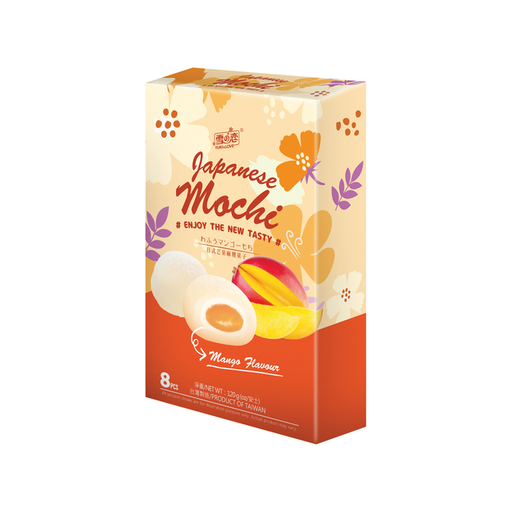
Why it fits this profile: An accessible introduction to mochi, thanks to 8 individual pieces and a familiar mango flavour.
The portion breakdown makes comparing and sharing easier. The pack also lists storage instructions and allergen warnings.
120 g, 8 pieces, soft rice cake with mango filling and Taiwan stated as the country of origin.
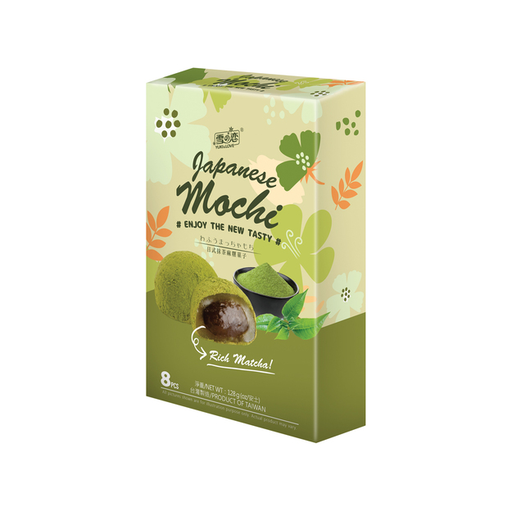
Why it fits this profile: For fans of a distinctive tea flavour and a less conventional dessert.
The product information mentions matcha powder and gives nutritional values per 100 g, so you can assess both flavour and composition.
128 g, matcha filling and 6% matcha powder according to the product description; soft, chewy texture.
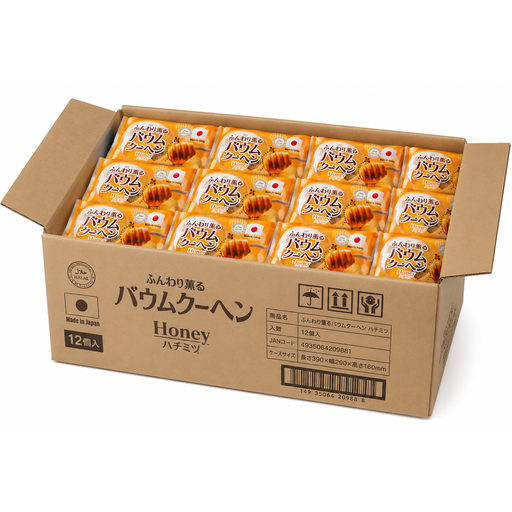
Why it fits this profile: The multipack is practical for guests, treats or regular tea-time indulgence.
The product name states halal certification. Also check the allergens, as the ingredients list includes egg, wheat, milk and soya.
12 packs of 60 g; honey variant with a nutritional value of 188.5 kcal per 100 g according to the product information.
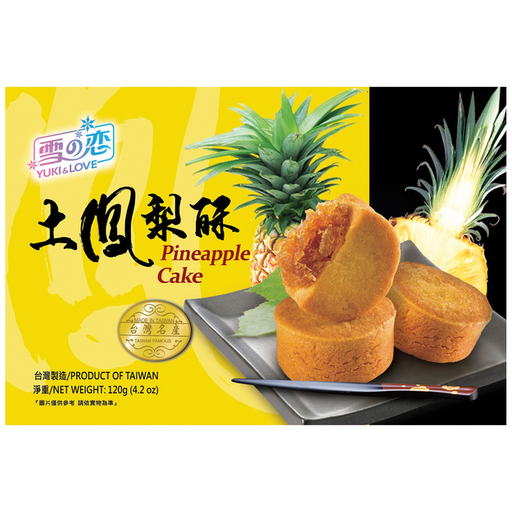
Why it fits this profile: A compact tart for those who want to combine fruity filling with a buttery biscuit texture.
The label specifies the pineapple filling content of 36.7%, so the fruit composition can be verified.
120 g, 36.7% pineapple filling and clear listing of wheat, egg and milk as allergens.
We’ve put together a full, up-to-date list of products that fully meet these strict selection criteria and comply with current European safety regulations.
The term mochi is used for soft rice cakes with a chewy outer layer. The exact recipe and origin vary by brand. So always check the country of origin, the type of rice flour used and the filling. In this selection, the Yuki & Love products state Taiwan as their origin.
Store snacks according to the label, usually in a cool, dry place away from direct sunlight. Seal the pack well after opening. Mochi can change texture more quickly after opening; the product information therefore advises consuming it soon after opening. Also look out for any sachet of drying agent: it’s not edible and should be removed.
That depends on the product. Only choose a snack where the halal status is clearly stated on the product information or packaging. The Taiyo products in this selection carry halal in the product name, but always check the current packaging and allergen list as well. A halal label says nothing about the absence of milk, egg, gluten or soya.
