
Vandaag of morgen in huis

Kwaliteit gegarandeerd

Welkomstaanbiedingen ontgrendelen: GRATIS bezorging | Tot 80% korting | Gratis 30 dagen JoyPlus-proefperiode
Download de app
Buying Asian snacks might seem straightforward, but the range varies enormously in flavour, portion size, origin and ingredients. A bag of Japanese snacks can be savoury and smoky, for example, while Thai snacks often combine sweet, spicy or tropical flavours. Korean snacks, Indian treats and Chinese snacks each have their own textures and preparation methods too.
As a Joybuy Product Recommendation Officer, I always start by looking at the verifiable information: the net weight, ingredients, allergens, nutritional values, origin and storage instructions. That way, you avoid being swayed by flashy packaging or marketing claims.
A gift box can look generous, while the individual portions are actually quite small. This is especially clear with seaweed snacks: a multipack may contain several sachets weighing just a few grams each. Always check the total net weight and the weight per portion.
An Asian snack selection box can offer plenty of variety, but compare the price per gram when you’re weighing up different packs.
Marketing terms don’t automatically give you the nutritional value or ingredients. Look at the ingredients list instead. For example, Kimnori Seasoned Seaweed Teriyaki contains seaweed, rapeseed oil, teriyaki sauce powder and sesame oil. The nutritional information per 100g states 332 kcal and 3.2g of salt.
Even with sweet snacks, the ingredients can vary a lot. According to the product information, Three Squirrels Thai Coconut Flakes is made from 97% coconut and 3% sugar. That’s far more concrete than just calling it a “tropical snack”.
Asian treats can contain peanuts, nuts, soya, wheat, milk, sesame or shellfish. If you’re unsure, check the full packaging, especially when you’re buying snacks for a party or as a gift.
Also pay attention to the storage instructions. Crispy products like nori, corn puffs and fried dough snacks lose their texture more quickly once opened. Store them in a cool, dry place and seal the pack tightly. For products with different best-before dates, such as a mixed selection with several bags, the earliest date is the one to watch.
First, decide what you need the snacks for:
The term “spicy” can mean different things from one product to another. Wasabi gives a short, sharp hit, while chilli and black pepper can linger longer. So look at the flavour description and the spices listed in the ingredients.
Don’t just compare the price of a pack – compare the quantity too. Kimnori contains 12g, split into three sachets of 4g. Taokaenoi Big Roll contains nine individually wrapped rolls with a total weight of 18.9g. That makes both products handy for on the go, but less suitable if you want to fill a large sharing bowl.
For sharing with several people, larger packs like Haldiram’s Pani Puri at 360g or Bestore Enjoyable Moments at 1,279g make more sense. With the Bestore selection, though, you need to be aware of different types of allergens and the earliest best-before date.
Check whether the snack suits your dietary preferences. Here are a few examples:
Always check the current label. Recipes, import information and allergen declarations can vary from one pack to another.
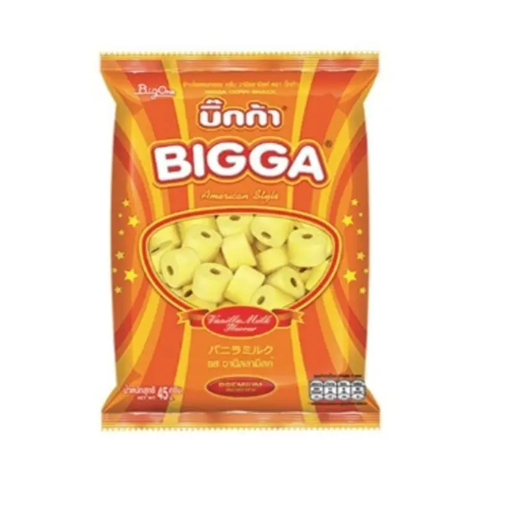
Why this fits the profile: A small pack to try a sweet Thai snack without committing to a large selection. This crunchy corn snack has a vanilla flavour and weighs 45g.
The net weight and nutritional values are clearly stated. Do watch out for milk, soya, malt and possible traces of wheat and shellfish.
45g, sweet vanilla flavour and a product of Thai origin according to the product information.
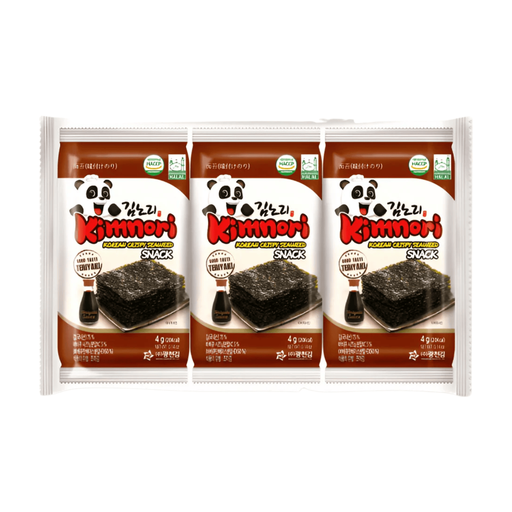
Why this fits the profile: For anyone looking for a Korean seaweed snack with a sweet-savoury teriyaki flavour and individual portions for home, the office or on the go.
The packaging clearly states three sachets of 4g, so the portion size isn’t hidden. Check for sesame and soya if you have allergies.
Three individual portions and a product description suggesting use as a snack, rice topping or garnish.
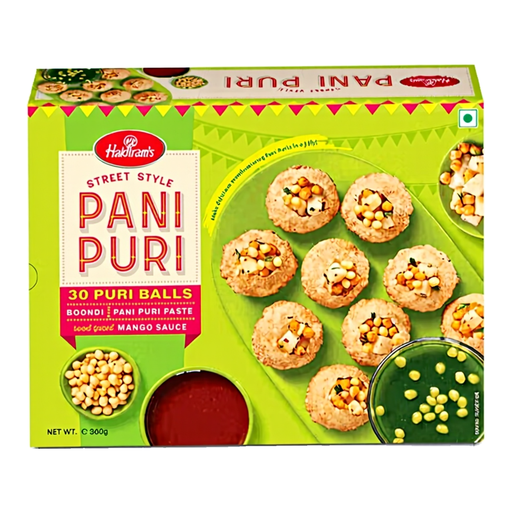
Why this fits the profile: For parties and group occasions where you want to do more than just open a bag. The set includes puris, masala, pani, mango sauce and boondi.
The contents are specified per component. Be aware of wheat, chickpea and peanut oil, and check the preparation and storage advice.
360g and multiple components for an Indian snack experience that involves preparation and sharing.
We’ve put together a full, up-to-date list of products that fully meet these strict selection criteria and comply with current European safety regulations.
Start with familiar textures and clear flavour profiles, such as vanilla corn snacks, coconut flakes or a mild seaweed snack. A small pack is handy for trying a flavour first. If you like comparing different tastes, you could choose a selection of sweet and savoury snacks.
Store opened snacks in a cool, dry place away from sunlight and moisture. Seal the pack tightly or use an airtight container. Nori, corn puffs and fried snacks in particular lose their crunch when exposed to air for too long. Always follow the instructions on the packaging.
Read the allergen information in full and don’t just rely on the product name. Common things to watch for include soya, wheat, gluten, peanuts, nuts, milk and sesame. Also check for statements like “may contain traces”. If in doubt, the label on the pack you receive is the one to follow.
