
Vandaag of morgen in huis

Kwaliteit gegarandeerd

Welkomstaanbiedingen ontgrendelen: GRATIS bezorging | Tot 80% korting | Gratis 30 dagen JoyPlus-proefperiode
Download de app
Fancy some Asian snacks, but not sure which pack is right for you? Online, lots of products look similar. Yet they differ greatly in portion size, ingredients, allergens and when you might eat them. A small bag of Japanese snacks, for example, might be ideal for eating on the go, while a large Asian snack bundle is better suited to a party or as a gift.
The main pitfalls are usually not about the flavour, but about what you skip on the product page.
A 500g pack might look attractively priced, but it could be intended for sharing or storing over several days. Snacks with syrup, moisture or a soft texture need extra care once opened. So look at the net weight, the number of individual portions and the storage advice.
Individual sachets are more convenient for snacks on the go. A large tin or bag works better for a family, a drinks party or a tasting session at home.
Vegetarian snacks can still contain milk, egg, soya, peanuts, sesame or gluten. Terms like "bacon flavour" or "seafood flavour" sometimes only describe the taste; always check the ingredients list and allergen information.
If you have a food allergy, the packaging is what counts. Product information can change, and "may contain traces of" is not the same as a guaranteed allergen-free product.
Wasabi, durian, teriyaki and cumin mainly appeal to shoppers who are deliberately looking for a specific taste. A striking flavour might be less suitable if you're buying a snack for a mixed group. If in doubt, choose a combination of savoury snacks and sweet snacks, so there's something for different preferences.
Check whether the product comes from Japan, South Korea, Thailand, India, China or another country. The origin gives context, but doesn't fully determine how a snack tastes. Also look out for words like:
For a first taste, a mixed bundle can be handy. If you already have a clear preference, you can be more targeted in choosing Thai snacks, Indian snacks or Chinese snacks.
Check at least the first few ingredients on the label. These are usually listed in descending order of quantity. Also look out for:
A product with a short ingredients list isn't automatically suitable for everyone. The overall composition and allergen declaration remain decisive.
For crunchy snacks, moisture is the biggest enemy. Check whether the packaging is resealable or consists of several individual sachets. Once opened, it's often best to eat them straight away to keep the texture.
With an Asian snack bundle containing different products, the shelf life can vary from item to item. So check the date on the packaging and, for a mixed bundle, use the earliest date listed as a guide.
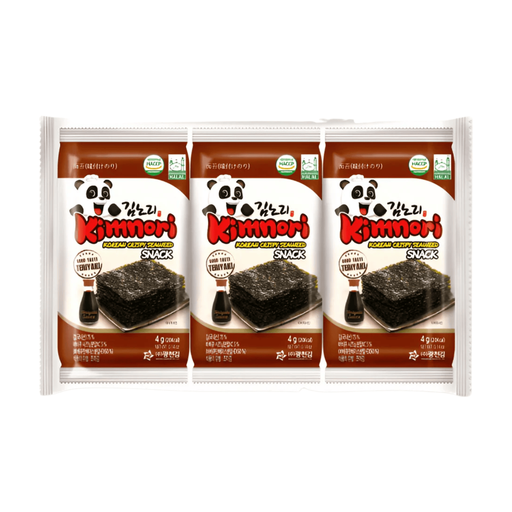
Why this fits the profile: The three individual sachets make it easy to try a small portion of Korean snack without opening a large pack.
The portions are packed in 4g sachets. This keeps unopened seaweed better protected from moisture than one large bag that is opened repeatedly.
12g total, divided over three sachets; according to the product information, suitable for eating straight away or serving with rice, noodles and soup.
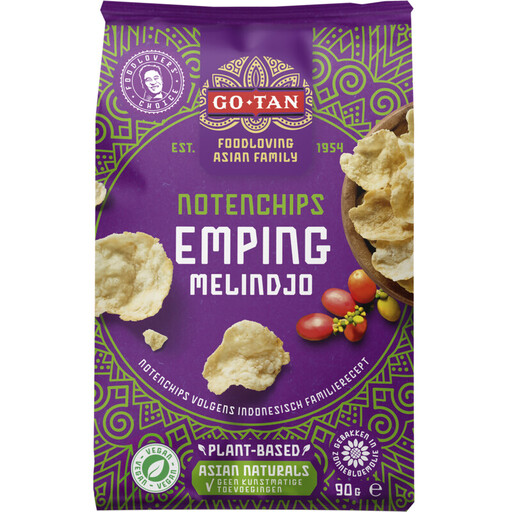
Why this fits the profile: This Indonesian snack has a distinctive nutty, savoury flavour and can be eaten on its own or with a meal.
The flavour description explicitly mentions a slightly bitter aftertaste. So you know in advance that this isn't a neutral snack.
90g; vegetarian according to the product description. The listed ingredients consist of 71% melinjo nuts and sunflower oil.
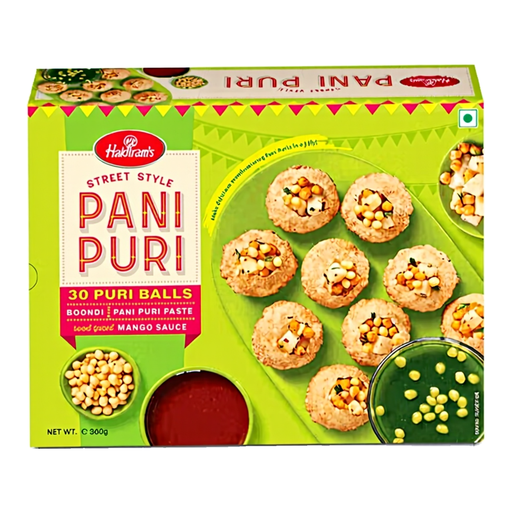
Why this fits the profile: This pack is designed for a multi-person eating occasion and contains several components for filling and flavouring the pani puri.
The contents are clearly described: puris, masala, pani, mango sauce, paste and boondi. This prevents you from expecting a single snack.
360g; suitable for a group occasion. The ingredients list mentions, among others, wheat, chickpea and peanut oil.
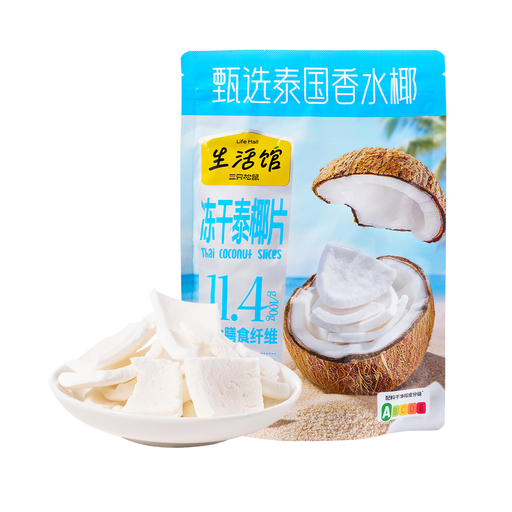
Why this fits the profile: The Thai coconut flakes combine a sweet flavour with a light, crunchy texture and can be eaten straight from the pack.
The composition is straightforward: according to the product information, 97% coconut and 3% sugar. Always check the current label though.
100g; ready to eat straight away. Coconut is listed as an allergen and falls under the nut classification on the label.
We've put together a full, up-to-date list of products that fully meet these strict selection criteria and comply with current European safety regulations.
Choose small, individually wrapped products that don't need refrigeration. Seaweed in portion sachets, coconut chips, corn snacks and coated peanuts are practical for school, work or travel. Check beforehand whether the packaging is resealable and keep the snack in a dry place.
This varies by product. Crunchy snacks usually keep their texture longer in a well-sealed pack, while soft desserts and products with syrup have different storage instructions. Always follow the label and try to eat an opened product as soon as possible.
Check both the ingredients list and the allergen declaration. Wheat, barley, flour and semolina often indicate gluten. A product description may contain a general claim, but if in doubt, the current packaging is what counts. Also look out for warnings about possible cross-contamination with gluten-containing grains.
