
Vandaag of morgen in huis

Kwaliteit gegarandeerd

Welkomstaanbiedingen ontgrendelen: GRATIS bezorging | Tot 80% korting | Gratis 30 dagen JoyPlus-proefperiode
Download de app
Asian snacks are popular in the UK, but the sheer range can make choosing surprisingly tricky. Whether you’re after Korean snacks for a film night, Japanese snacks to try for the first time, or a stash of Asian sweets for on the go, it’s easy to be drawn in by eye-catching packaging and unfamiliar flavours.
That’s where the most common buying mistakes happen:
With a few simple checks, you can buy Asian snacks online with much more confidence.
First, decide whether you want a snack that’s ready to eat or one that needs preparation. A bag of mochi, gummies or fruit sweets can usually be opened and enjoyed straight away. A product like A+ Chopped Rice Cake (Teokboki) - 500 g is different: according to the product instructions, this tteokbokki rice cake needs to be rinsed and cooked with gochujang, vegetables and fish cakes.
The weight also tells you how it’s best used:
For chilled or frozen products, pay extra attention to storage. The TCT Glutinous Rice Cake Taro Filling 250g must be kept at a maximum of -18 °C according to the product information, and should not be refrozen once thawed.
A product with a fruit or chocolate flavour doesn’t automatically contain lots of fruit or cocoa. Always compare the ingredients list with what’s shown on the front of the pack. With COZZO Fruit Jelly Sticks 240g, each flavour is a jelly made with sugar, gelling agent, flavouring and a small percentage of juice. The sticks are individually wrapped, which is handy for lunchboxes or travel.
Also check the allergens:
If you’re looking for halal snacks, always check the product details and packaging. According to the product information, Lotte Pepero Almond & Chocolate and LOTTE Pepero Chocolate Bar are halal-certified. For a new batch, always double-check the current label.
Nutritional values per 100 g are useful for comparing different Asian sweets and chocolate snacks. But they don’t tell you how much you’ll actually eat. A 60 g bag is very different from a 468 g box.
Examples from the product information:
A low energy value doesn’t automatically make a product suitable for everyone. Also consider sweeteners, portion size, flavour preference and how you plan to use the snack.
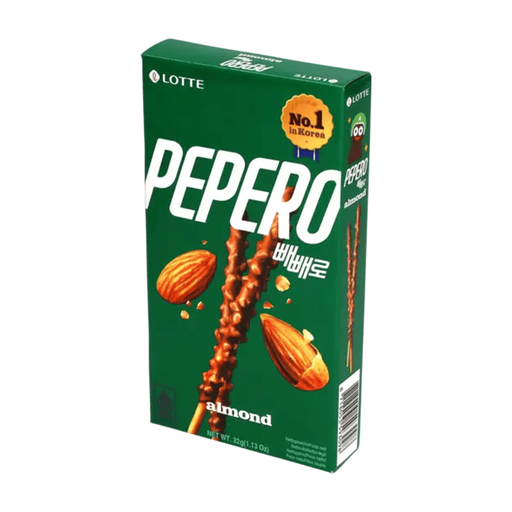
Why this suits the profile: The small size is ideal for trying Korean snacks without committing to a large pack. The combination of biscuit, chocolate and almond gives a clear flavour and satisfying crunch.
The weight and allergens are clearly stated in the product information. So you can see upfront that it’s a small portion containing milk, soya, wheat and almond.
32 g; crunchy biscuit sticks; almond pieces; halal-certified according to the product information.
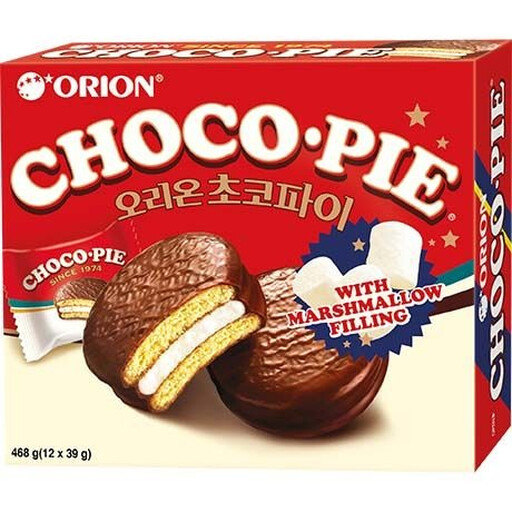
Why this suits the profile: The larger pack is perfect for sharing at a party, film night or gathering. The combination of sponge cake, filling and chocolate is a step up from an ordinary biscuit.
The 468 g pack makes the quantity clear from the start. The product information also highlights wheat, milk, egg, soya and gelatine as points to note.
468 g; soft sponge with creamy filling; chocolate coating; great for sharing.
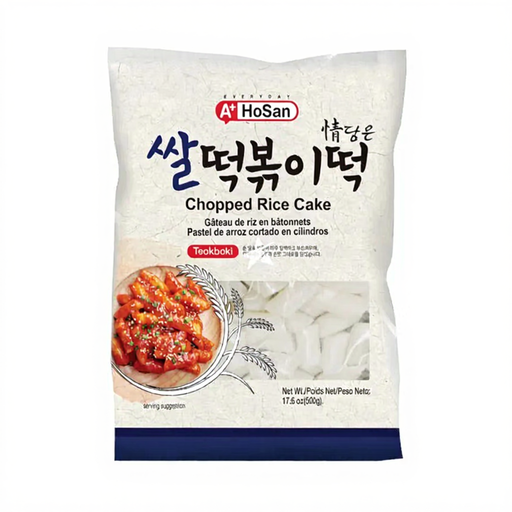
Why this suits the profile: This is a practical choice for anyone who wants to cook Korean dishes from scratch. According to the product information, the rice cake contains 98.9% rice and is designed for pan cooking.
The preparation steps and weight are clearly stated. So you’re not buying a ready-to-eat snack, but an ingredient for tteokbokki and other dishes.
500 g; 98.9% rice; none of the 14 major EU allergens listed; cooking instructions included.
We’ve put together a full, up-to-date list of products that meet these strict selection criteria and comply with current European safety regulations.
For on the go, individually wrapped products are the most practical. Think of COZZO Fruit Jelly Sticks 240g, with twelve 20 g sticks, or a small bag of gummies. For a sweet selection on the table, you can mix different textures: soft mochi, chewy gummies, jelly snacks and chocolate snacks like Pepero or Choco Pie.
If you prefer something less sweet, look at savoury options or rice-based products. With mochi and rice cake, pay attention to preparation and storage temperature. With gummies and jelly snacks, check the sugar, sweeteners, colourings and whether gelatine is used.
You can buy Asian snacks online from specialist shops and marketplaces with a clear product range. Before ordering, compare the weight, ingredients, allergens, shelf life and storage instructions. That way, you’ll avoid buying something that doesn’t suit your diet or available storage space.
Mochi is usually made with glutinous rice flour and has a soft, elastic texture. Gummies are generally firmer and more chewy. Jelly snacks are softer and can be packed in a bag, stick or cup. The exact texture depends on the gelling agents and ingredients used.
The best-before date is printed on the packaging. Store dry snacks in a cool, dry place away from direct sunlight. Once opened, seal the pack tightly. Products like konjac jelly may need to be refrigerated after opening and consumed within a specified time, according to the product information. Always follow the label on the product you receive.
