
Vandaag of morgen in huis

Kwaliteit gegarandeerd

Welkomstaanbiedingen ontgrendelen: GRATIS bezorging | Tot 80% korting | Gratis 30 dagen JoyPlus-proefperiode
Download de app
Buying Asian snacks and desserts online might seem straightforward, until you realise that products vary significantly in storage, portion size, ingredients and preparation method. A soft mochi, for example, can be a shelf-stable treat, whereas a matcha cake needs to be kept refrigerated. Frozen products also require a different approach to planning than individually wrapped Japanese cake.
As Joybuy Product Recommendation Officer, I’ve filtered the most important product information for you, so you can tell marketing copy apart from verifiable details on the label.
Not every product is ready to eat straight away. Frozen gyoza must stay frozen until you’re ready to cook them. Depending on the packaging, you can pan-fry, steam or boil them. A snack you pick up on a whim for eating on the go is therefore less suitable if it needs to be prepared in the kitchen first.
When ordering online, look out for:
Words like matcha, mango, strawberry or banana don’t automatically tell you how much of that ingredient is actually present. A product may contain purée, flavouring, concentrate or a combination of these. Always check the ingredients list. For example, the Sakuraseika Uji-Matcha Cake states that the product is made with Uji matcha, but always check the actual packaging for the full composition.
Japanese snacks often contain wheat, egg, milk, soya or sesame. Gyoza with meat or vegetables usually contain wheat-based dough. Some desserts also include milk and egg. If you have an allergy or intolerance, always check the label on the packaging you receive.
The packaging can also look misleadingly large. A box with three individually wrapped pieces of Japanese cake is quite different from a large bulk product that you need to finish quickly after opening.
First, choose the type of snack that suits when you plan to eat it:
Once opened, the storage time changes. Nestlé Yogolino Peach can be stored at room temperature when unopened, according to the product information; after opening, it should be kept in the fridge for a maximum of 24 hours. This product is intended for babies from 6 months old. Always check the age recommendation and ingredients before serving.
Pay particular attention to these common allergens:
The product information states, for example, that Ajinomoto Chicken & Veggie Gyoza contains wheat, soya and sesame. Ajinomoto Prawn Gyoza also contains crustaceans. Check the packaging again, as recipes or manufacturer information may have changed.
Think not only about the flavour, but also the texture:
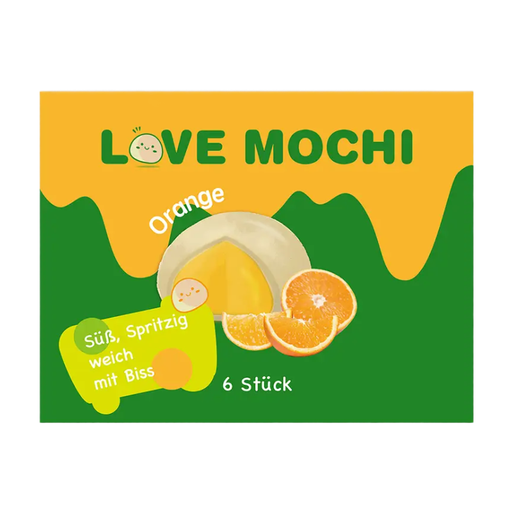
Why this fits the profile: An easy introduction to mochi in a 180g pack. The individually wrapped pieces are practical for several snacking moments.
The product information clearly states the orange filling, allergen status and storage method, so you don’t have to rely on the flavour name alone.
180g, individually wrapped, orange flavour and, according to the product information, no declared allergens from the 14 main EU allergens.
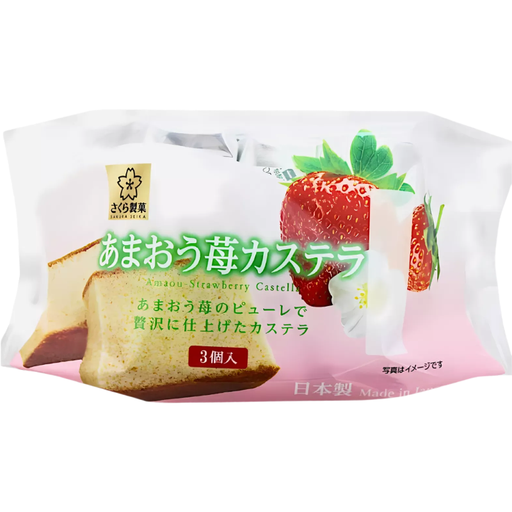
Why this fits the profile: The three individually wrapped pieces are ideal for a refined tea break, dessert moment or small gift.
The packaging unit and chilled storage instruction are clearly stated. This makes it clear upfront that this is not a long-life store-cupboard cake.
Three portions, soft castella texture and Amaou strawberry flavour; contains egg and wheat according to the product information.
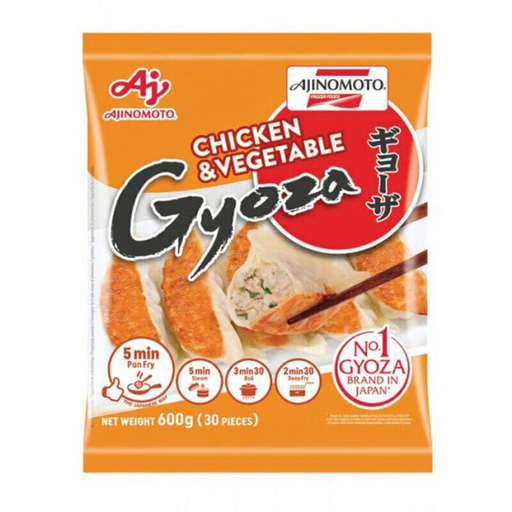
Why this fits the profile: A larger frozen pack is practical for families, dinner parties or anyone who regularly wants a quick savoury dish.
The packaging clearly states that the product must remain frozen and should not be refrozen after defrosting.
600g, suitable for pan, steamer or boiling method according to the product description; contains wheat, soya and sesame.
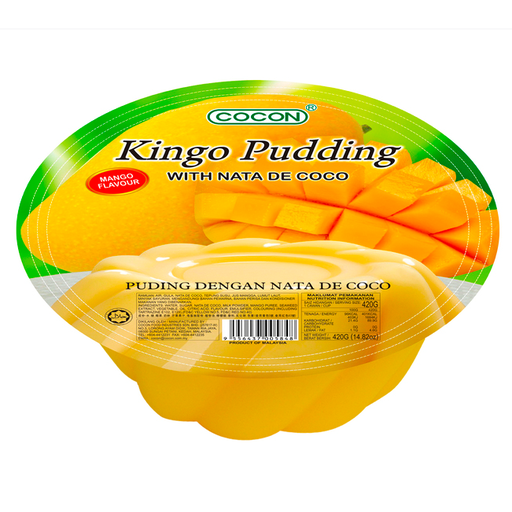
Why this fits the profile: The 420g pot is ideal for sharing chilled or using across several dessert occasions after opening.
The product information mentions both the soft pudding and the nata de coco. This means you know upfront that you’re buying a combination of soft and chewy textures.
420g, mango flavour, nata de coco pieces and suitable for serving chilled; keep in the fridge after opening.
We’ve put together a full, up-to-date list of products that fully meet these strict selection criteria and comply with current European safety regulations.
Mochi, baumkuchen and castella are accessible choices because they’re ready to eat and don’t require complicated preparation. Do check the texture, flavour and allergens. If you prefer to start with something savoury, Japanese gyoza is an option, but you’ll need a pan or steamer.
Always follow the packaging. Some mochi can be stored in a cool, dry cupboard, while other varieties need to be kept chilled. Asian pudding, such as mango pudding with nata de coco, should be stored in a cool place according to the product information and put in the fridge after opening.
Yes, as long as you keep the gyoza frozen and allow enough time for preparation. According to the product description, Ajinomoto gyoza can be pan-fried, steamed or boiled. Only defrost according to the packaging and do not refreeze once thawed.
