
Vandaag of morgen in huis

Kwaliteit gegarandeerd

Welkomstaanbiedingen ontgrendelen: GRATIS bezorging | Tot 80% korting | Gratis 30 dagen JoyPlus-proefperiode
Download de app
When you buy Asian snacks online, you’ll quickly come across terms like “healthy”, “natural”, “light” and “extra crunchy”. These descriptions don’t always tell you what you’re actually getting. A snack made with vegetables or chickpeas, for example, can still be high in oil, salt or sugar. Likewise, a big bag doesn’t automatically mean lots of edible content: air and a small portion can push up the price per 100 grams.
With this practical guide, you can focus on flavour, ingredients, allergens, packaging and when you’ll be eating them. That way, you’ll find the right Asian crisps, vegetable crisps, cassava crisps, konjac snacks, rice crackers, prawn crackers and poppadoms for home, on the go or a film night.
Vegetable crisps, sweet potato crisps and okra crisps are often presented as a sensible choice. So always check the nutritional information per 100 grams. For example, the MUSHAN BASE Mixed Fruit and Vegetable Crisps list 469 kcal, 16.1 g of fat and 26.4 g of sugar per 100 grams. The ingredients include purple sweet potato, banana, taro, apple, green peas and palm oil.
That doesn’t make the product unsuitable, but it is different from fresh vegetables. So don’t automatically put “healthy snacks” in a separate category. Instead, compare the exact nutritional values and portion size.
With spicy snacks, the flavour can come from chilli, pepper, spices or flavourings. Also check whether chicken, beef or seafood flavouring is listed in the ingredients. For example, the Samyang Buldak Lime & Chilli Potato Chip mentions chicken and beef flavouring powder and may contain wheat, sesame and soya according to the product information.
You should also link “vegetarian” to the product information. Go-Tan Poppadoms are listed as vegetarian, whereas other savoury snacks may contain animal-derived flavourings. If you’re consciously choosing vegetarian snacks, it’s a good idea to check the packaging and allergen declaration for each product.
Crisps and crackers quickly lose their texture if the packaging is left open. This applies to cassava crisps, rice crackers, poppadoms and fried vegetable crisps. If you buy a large pack, choose a resealable bag or store the snack in an airtight container after opening. Also check the packaging for damage and pay attention to the best-before date.
In the Netherlands, allergens must be clearly stated in the ingredients list. When it comes to Asian snacks, look out for:
A product that doesn’t list a particular allergen is not the same as a guarantee against cross-contamination. If you have an allergy, always use the current packaging as your guide.
The value per 100 grams makes it easy to compare products. The total pack size determines how much you’re actually getting. For instance, a bag of Penguin Planet Rice Crackers weighs 120 grams and has around 555 kcal per 100 grams. So the portion can be important if you’re taking a snack to the office or sharing it at a party.
Individual packs make portioning much easier. The Yan Jin Pu Zi MOWON Konjac Snack Sesame Paste Flavour comes in 20 sachets of 18 grams. The product information states 92 kcal per 100 grams. Always check the current packaging, as ingredients and nutritional values can change.
A rice cracker with Sichuan pepper tastes very different from a plain poppadom. Think about how you’ll be using them:
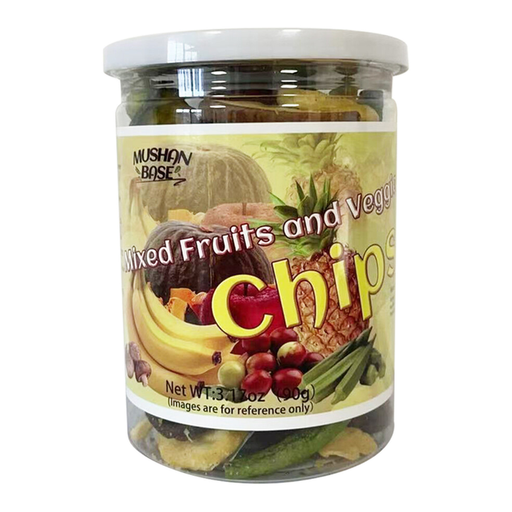
Why this fits the profile: A small bag with multiple flavours is handy if you want to try different vegetable and fruit crisps without buying a large stock straight away.
The product information lists the individual ingredients and nutritional values, so you can verify the term fruit and vegetable mix.
Mix of purple sweet potato, banana, taro, apple, peas and carrot; ready to eat straight away.
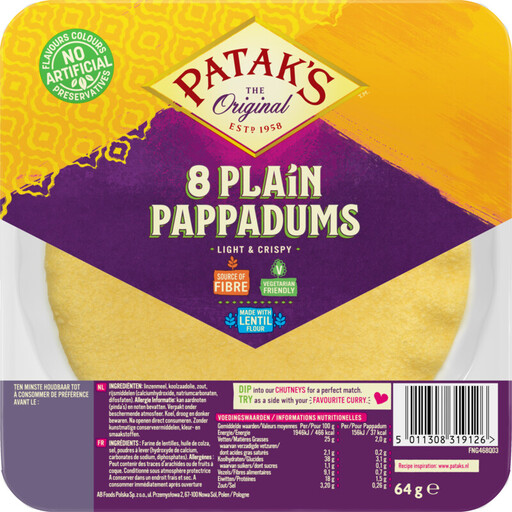
Why this fits the profile: These poppadoms are ideal with a meal or drinks when you want to add your own chutney, raita or curry.
The product description lists lentil flour as the main ingredient and provides allergen information about possible nuts and peanuts.
Eight pieces per pack; 18 g protein and 9.1 g fibre per 100 g according to the product information.
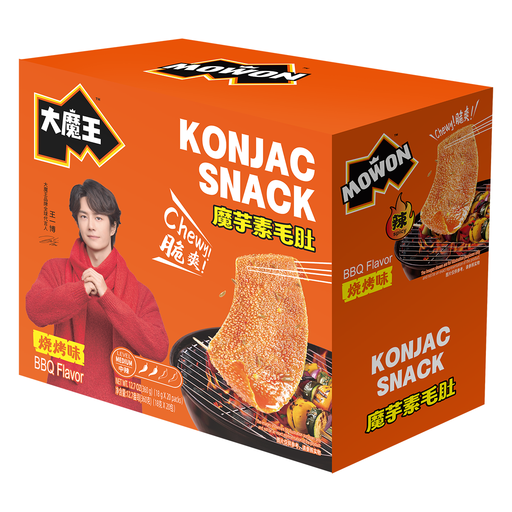
Why this fits the profile: The twenty individual sachets are practical for on the go, at the office, during gaming or at a gathering.
The 18 g portions make the amount per eating occasion clearer than with a large, open bag.
Twenty individual packs; BBQ seasoning with chilli and spices; product information lists soya as an allergen.
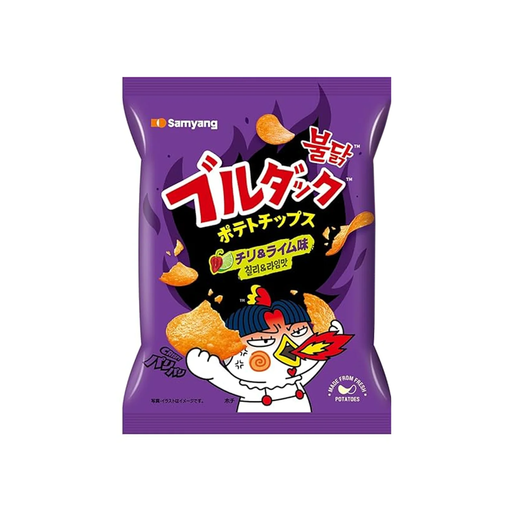
Why this fits the profile: The combination of chilli and lime is aimed at snack lovers who want a distinctive, spicy flavour for a film night or drinks.
The product information explicitly mentions chilli, habanero seasoning, lime-like flavour and possible allergens.
Small 55 g bag; 576 kcal, 40 g fat and 1.27 g salt per 100 g according to the stated nutritional information.
We’ve put together a full, up-to-date list of products that fully meet these strict selection criteria and comply with current European safety regulations.
Choose a combination of flavours and sizes. Poppadoms, rice crackers, cassava crisps and chickpea snacks are easy to share. Add a spicy option and a mild product so guests can choose. If you’re catering for a mixed group, check the allergen information in advance.
No. The range goes from neutral potato sticks and plain poppadoms to snacks with chilli, Sichuan pepper or Buldak seasoning. Search by flavour profile and read the ingredients list if you’re sensitive to strong spices.
Keep the packaging cool, dry and out of direct sunlight. Seal an opened bag tightly or use an airtight container. Rice crackers, vegetable crisps and cassava crisps in particular lose their crunchiness if moisture gets in. Always check the specific storage advice on the packaging when you buy.
