
Vandaag of morgen in huis

Kwaliteit gegarandeerd

Welkomstaanbiedingen ontgrendelen: GRATIS bezorging | Tot 80% korting | Gratis 30 dagen JoyPlus-proefperiode
Download de app
Asian snacks offer far more variety than just instant noodles. Think spicy potato crisps, Chinese snacks with a chewy texture, Japanese rice crackers, Korean ramen snacks and Thai seaweed snacks. Yet it can be tricky to tell what you’re actually buying based on a flashy packet alone.
Three common pitfalls to watch out for:
With the right checks in place, you’ll find it much easier to pick Asian snacks for on-the-go, a film night or a meal at home.
The main ingredient largely determines the bite. Rice crackers are usually light and brittle, while ramen snacks have a drier, noodle-like crunch. Cassava crisps have a firmer bite and a different starch structure to potato crisps. Seaweed rolls are thin and crispy, but can go soft more quickly once opened due to moisture.
With spicy Asian snacks, the type of seasoning also matters. Chilli brings heat, while mala snacks can also give a tingling, numbing sensation in the mouth. That effect usually comes from a combination of chilli and Sichuan pepper. If you’re after a milder introduction, start with an original rice cracker or a barbecue flavour.
Read the ingredients list and allergen information before you order. Many snacks contain wheat, soya, sesame or milk ingredients. Be&Cheery Spicy and Crispy Gluten Snack, for example, contains wheat gluten and soya. According to the product information, this snack has 20g of protein per 100g, but also 950mg of sodium per 100g. That makes the nutrition table far more important than any claim on the front.
The same goes for konjac snacks. The Be&Cheery Crispy Konjac Snack contains soya, sesame and gluten-containing cereals according to the product information. “Konjac” does not automatically mean gluten-free. If you’re looking for gluten-free Asian snacks, always check the label on the specific packet and look out for warnings about cross-contamination.
For a lunchbox or a bike ride, small portions are practical. A multipack like Mamee Monster contains individual 25g bags. That’s handy for sharing, but do check the total amount of seasoning and salt per portion.
For a group, larger bags such as cassava crisps or yam crisps are more convenient. Once opened, an airtight container is a good idea to keep them crunchy. Store snacks according to the label in a cool, dry place and check the best-before date on the packet.
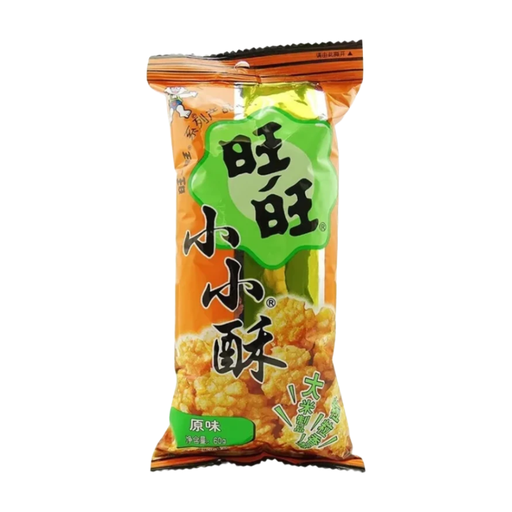
Why this fits the profile: Small rice snacks with an original savoury flavour are an easy entry point for anyone trying Asian snacks for the first time. The 60g portion is suitable for eating alone or sharing.
The product information clearly states the base: rice, tapioca starch, oil and soya sauce. Do check the current packet for wheat, soya and possible traces of milk.
Crunchy format, original flavour and a packet that’s ideal for eating on the go.
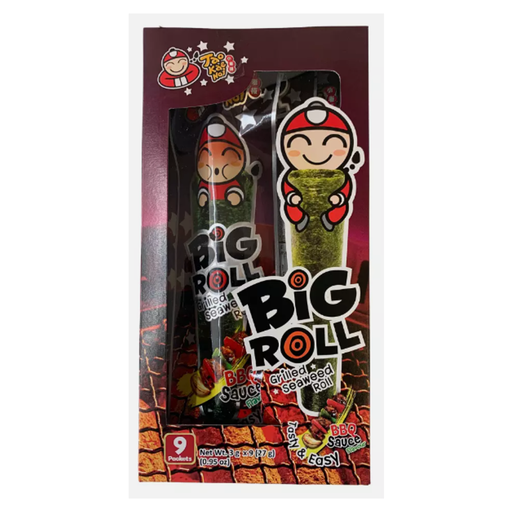
Why this fits the profile: This Thai seaweed snack is ideal for anyone looking for a thin, roasted crunch and a savoury barbecue flavour.
The product information lists none of the 14 main EU allergens. If you have allergies, still check the current label.
Handy 27g weight, roasted seaweed texture and suitable for snacking on the go.
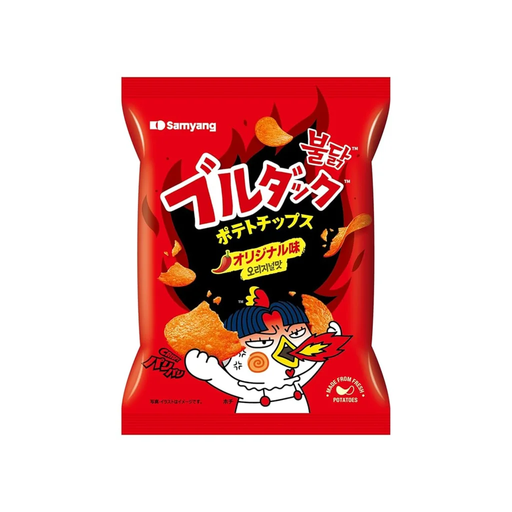
Why this fits the profile: For lovers of bold Korean flavours who want a sturdy potato crisp with chilli and seasoning.
The ingredients list includes chilli extract, habanero and soya sauce powder, so you can get a better idea of the flavour direction than from the name alone.
Crunchy potato base, 55g per bag and clear allergen information for wheat, milk, sesame and soya.
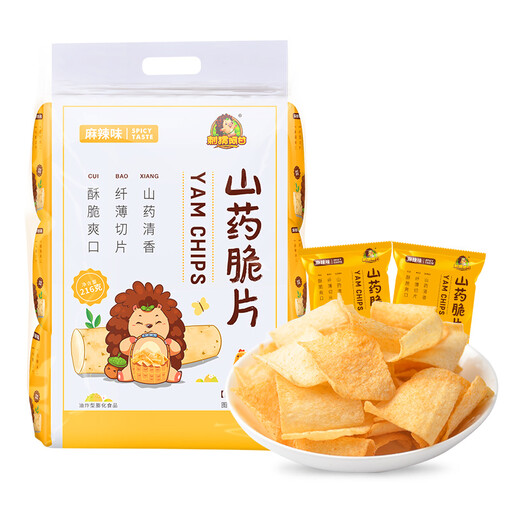
Why this fits the profile: The large bag is designed for sharing at home. According to the product description, the mala seasoning combines a spicy and tingling flavour with a crunchy texture.
The product information states 5% yam and lists wheat and sesame as allergens. The packet and nutritional values therefore remain important points to check.
Sharing bag of 216g, crunchy texture and a distinctive mala flavour profile.
We’ve put together a full, up-to-date list of products that fully meet these strict selection criteria and comply with current European safety regulations.
Want to pair Asian snacks with a meal? Ceramic bowls around 29 oz are ideal for ramen, pho, soup, fruit or salad. Check that they’re microwave and dishwasher safe, and whether they stack. The Dafuceramic set of four bowls lists these features according to the product information.
A deep cooking pot is practical for noodles, hotpot and homemade snacks. The PURECOOK pan has a 4.3-litre capacity, a stainless steel 304 construction and a basket for frying. If using on an induction hob, check that the hob is compatible and follow the safety instructions for hot oil. A pan used for frying should never be left unattended on the stove.
Start with a mild rice cracker, an original noodle snack or a barbecue flavour. That way you can discover the texture and seasoning before moving on to hot Korean crisps or mala snacks.
Not as standard. Ramen snacks, gluten snacks and many rice crackers can contain wheat or soya sauce made with wheat. Konjac snacks are not automatically gluten-free either. Always check the allergen information on the current packet.
Store opened snacks in an airtight container, in a dry place away from direct sunlight. Seaweed snacks and rice crackers in particular lose their crunch from moisture. Also follow the manufacturer’s storage instructions and check the best-before date.
