
Vandaag of morgen in huis

Kwaliteit gegarandeerd

Welkomstaanbiedingen ontgrendelen: GRATIS bezorging | Tot 80% korting | Gratis 30 dagen JoyPlus-proefperiode
Download de app
When buying Asian snacks online, you will often see attractive packaging, flavour claims and large value packs. However, an appealing box does not always tell you much about portion size, preparation or shelf life. Particularly with Chinese snacks, mochi pastries and frozen dim sum, small details can determine whether a purchase suits your needs.
So keep an eye out for these three common pitfalls:
Do not just look at the total weight; check how it is divided too. For example, the Bestore Baobao Mochi Pastry contains 200 grams, divided into four 50-gram portions. This makes the box practical for a tea-time gathering or as a small gift.
A large pack, such as WANT WANT Senbei with 520 grams and 88 packs, is better suited to families, entertaining guests or anyone who likes to keep a supply of rice crackers at home. Individual packaging also helps the crunchy texture last longer after part of the product has been opened.
For frozen Asian snacks, the storage temperature is an essential part of the decision. Products such as cha siu bao and custard buns must be stored at -18 °C or below, according to the product information. Once thawed, they must not be refrozen.
The preparation method varies from one product to another:
Do you not have a steamer basket, or are you short on time? Choose ready-to-eat Asian sweet snacks or individually wrapped pastries. For breakfast or a hot snack, steamed buns are a good option if you do not mind spending a few minutes preparing them.
Check the ingredients list before buying, especially if you need to take allergies or intolerances into account. Common allergens in this category include:
Also pay attention to sweeteners. The Bestore mochi pastries contain maltitol; the product information warns that excessive consumption may have a laxative effect. This is relevant information if you are serving several sweet snacks at once.
Nutritional values can help you compare products, but they do not determine flavour or suitability. For example, the mochi pastries range from 387 to 413 kcal per 100 grams, while rice crackers and pastries may contain different amounts of fat, sugar and salt. Use the portion size as a practical guide.
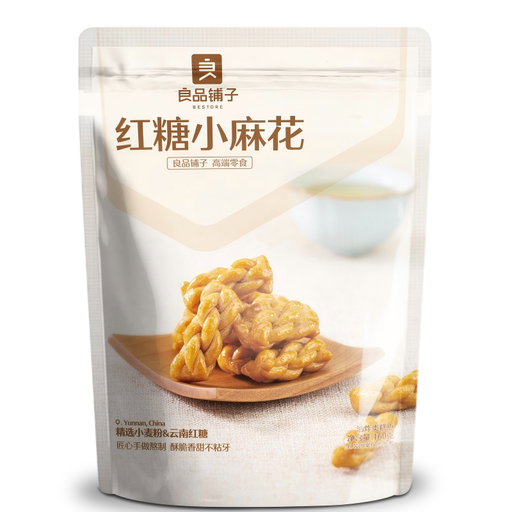
Why it suits this profile: This ready-to-eat snack requires no preparation and pairs easily with tea. The 160-gram pack is a manageable introduction to Chinese snacks.
The weight and ingredients are clearly stated. The snack is ready to eat, so there is no unclear cooking time to estimate.
160 grams, ready to eat and individually wrapped according to the product information. Contains wheat and sesame.
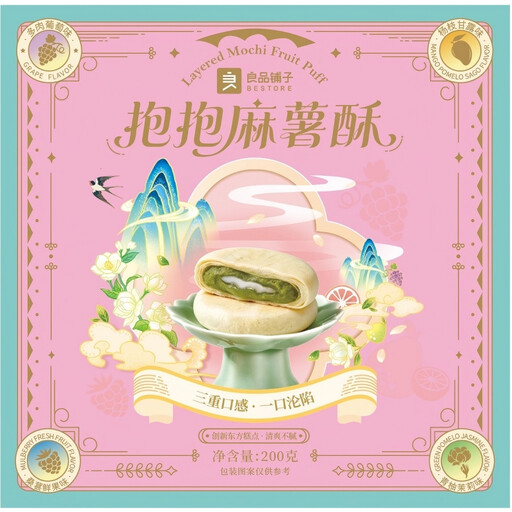
Why it suits this profile: If you want to try different flavours or take something with you when visiting someone, this gift box contains four varieties: mango pomelo sago, pomelo jasmine, grape and mulberry.
The box states the net weight and the division into four portions. This allows you to estimate in advance how many people it will serve.
Four fruity flavours, a soft pastry shell and a chewy mochi filling according to the product description. Ready to eat and ideal with tea.

Why it suits this profile: If you regularly serve dim sum, steamed buns or bao buns, this frozen pack offers a hot, savoury option with a char siu filling.
The preparation method and storage temperature are clearly specified. This prevents you from assuming that the snack is ready to eat.
270 grams, steam from frozen for 8 to 10 minutes and a savoury pork filling. Contains wheat, soya and sesame.
We have put together a complete, up-to-date list of products that fully meet these strict selection criteria and the applicable European safety regulations.
For a relaxing tea break, mochi pastries, rice crackers, sesame balls and sweet Chinese pastries are all good choices. If you want something to share during a film night, look for individually wrapped snacks or a larger pack.
For breakfast or a quick lunch, custard buns, cha siu bao and other steamed buns are practical options. Just remember to allow for the required steaming time. For a savoury snack, you could choose layered pancakes or snacks that become crisp when cooked in a frying pan.
If you are looking for a gift, consider packaging, variety and shelf life. A gift box with several flavours looks thoughtful, while a large bag of rice crackers is mainly suited to sharing.
It varies by product. According to the product information, mochi pastries, sponge cake, meat floss cake and brown sugar dough twists can be eaten straight from the packaging. Frozen bao buns, custard buns and sesame balls must be prepared first. Always check the label before use.
The shelf life is stated on the packaging and varies by product type. Store dry Chinese snacks somewhere cool and dry, away from direct sunlight. Frozen products should be stored at -18 °C or below. Some snacks should be eaten immediately after opening; seal other packaging tightly to help prevent them from losing their crunch.
Not without checking first. Many products contain wheat, gluten, soya, milk, egg or sesame. Check both the ingredients list and the allergen information. If you are concerned about cross-contamination, it is best to consult the full packaging before ordering or serving.
