
Vandaag of morgen in huis

Kwaliteit gegarandeerd

Welkomstaanbiedingen ontgrendelen: GRATIS bezorging | Tot 80% korting | Gratis 30 dagen JoyPlus-proefperiode
Download de app
Asian snacks vary widely in flavour, texture, portion size and preparation method. A bag of spicy crisps, a Korean seaweed snack and Chinese tofu strips all fall into the same broad category, but they don't suit the same occasion. So when you're shopping online, you'll want to know exactly what's inside the packet and whether the product is ready to eat.
Spicy Asian snacks can be aromatic, sharp, peppery or mildly sweet. Products containing chilli and Sichuan pepper can also create a tingling or numbing sensation in the mouth. That's quite different from just a high chilli heat level. So look at the ingredients, such as chilli, Sichuan pepper, garlic, ginger and chilli paste.
A 200g or 400g pack might seem appealing for a film night, but once opened, the product can lose its flavour and crunch. Individually wrapped snacks are often more practical for sharing, lunchboxes or several small snacking moments. Also check whether the weight refers to a single bag or multiple portions.
Tofu and konjac snacks are often marketed as vegetarian options, but they may contain soya, wheat or sesame. Some products also use flavourings, soy sauce or gluten. So always check the allergen information on the product page and on the packaging itself. The actual packaging is the final authority, as ingredients can change.
Pay particular attention to the 14 major EU allergens, including soya, wheat and gluten, milk, fish, shellfish, eggs, peanuts, nuts and sesame. A product may be plant-based but still contain wheat or soya. For example, in the selected Chinese snacks, soya and wheat appear regularly in tofu, konjac, soy sauce or wheat gluten.
Does someone in your group have an allergy? Don't choose based solely on a label like “vegetarian” or “vegan”. Read the full ingredients list and the warning about possible traces.
Most of the ready-to-eat snacks in this selection can be eaten straight from the packet. This applies, for example, to dried tofu, konjac snacks, seaweed and seasoned fish. However, not every Asian product is a snack for immediate use. The Freshasia mini fried dough sticks, for instance, are intended for hotpot and need to be cooked. The frozen meatballs from Meng Fu also require a preparation time of around five to seven minutes.
So always check the usage instructions. “Ready to eat” means you can open and eat the product straight away; “frozen” or “cooking required” calls for a different plan.
Crunchy snacks work well with drinks or a film night. Tofu strips, konjac and dried snacks, on the other hand, have a firm, chewy texture. That makes them ideal for slow snacking or as snacks to enjoy with beer. For a party, small individual packets or an Asian snack box are often more manageable than one large bag.
Also keep an eye on the salt content. In the nutritional information for some tofu and fish snacks, the salt level per 100g is relatively high. That makes them flavoursome, but it's useful information when you're putting several different products on the table.
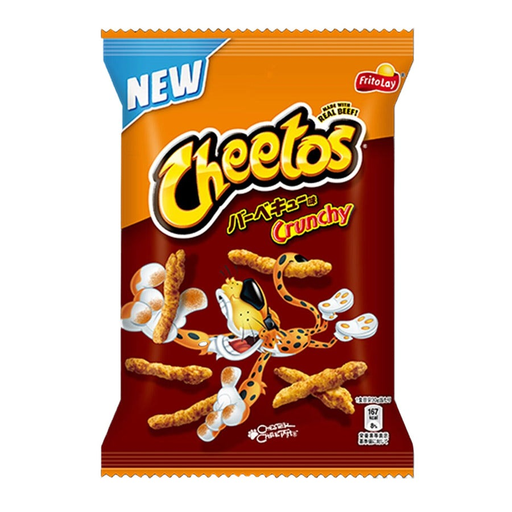
Why this fits the profile: A small packet is a straightforward way to try a Japanese corn snack with barbecue seasoning without committing to a multipack.
The weight is clearly stated as 70g. The ingredients and allergens include soya and wheat; the product also contains chicken and pork extract.
Crunchy corn puffs, Japanese origin according to the product information, and ideal for a small tasting portion.
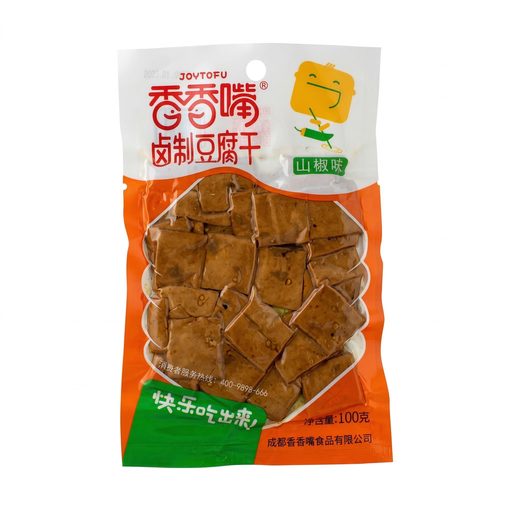
Why this fits the profile: This snack combines a firm tofu texture with chilli, pepper and a slightly sour note from hawthorn.
The product information states 95% soya, a net weight of 100g and a serving suggestion of 50g. Once opened, the product must be refrigerated and consumed within three days.
Ready to eat, 16g of protein per 100g according to the nutritional information, and only soya listed as an allergen.

Why this fits the profile: The box contains 20 individually wrapped portions of 18g each, making it ideal for sharing, stocking up or a long film night.
The portion size and total weight are specified. The snack is ready to eat; no cooking step is required. Soya and wheat are listed as allergens.
20 individual sachets, firm konjac texture and a nutritional value of 114 kcal per 100g according to the product information.
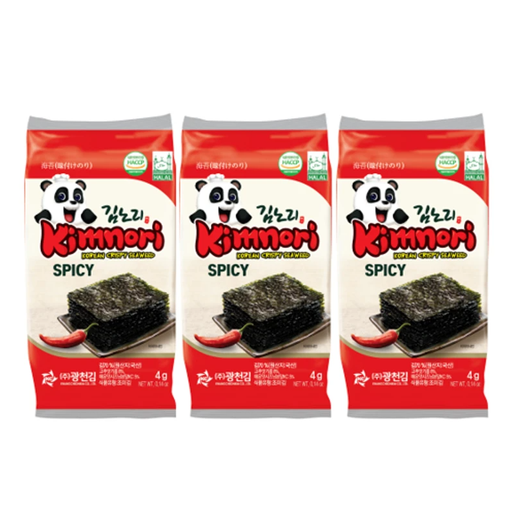
Why this fits the profile: This Korean seaweed snack comes in three small 4g sachets and suits anyone looking for a light, savoury snack.
The packaging contains three separate portions. According to the product information, this product contains none of the 14 major EU allergens; check the actual packaging before use.
Small portions, spicy seasoning and easy to take on the go or enjoy with drinks.
We've put together a full, up-to-date list of products that fully meet these strict selection criteria and comply with current European safety regulations.
Choose products with individual portions or a mix of flavours. Konjac snacks in sachets, tofu strips and multipacks of different crisps are practical for handing round. Also put a mild option alongside spicy Asian snacks, so guests can choose for themselves.
No. The range goes from plain and savoury to heavily seasoned with chilli or Sichuan pepper. Check the flavour description and ingredients. A barbecue or soy sauce flavour can be savoury and slightly sweet without the same heat as a chilli-based snack.
Store unopened dry snacks in a cool, dry place away from direct sunlight. Seal opened packets tightly. Products with a refrigeration instruction must be chilled after opening. Frozen products should be kept at a minimum of -18°C and, according to the product information, should not be refrozen once thawed.
