
Vandaag of morgen in huis

Kwaliteit gegarandeerd

Welkomstaanbiedingen ontgrendelen: GRATIS bezorging | Tot 80% korting | Gratis 30 dagen JoyPlus-proefperiode
Download de app
Buying Asian snacks in the Netherlands might seem straightforward, but the range varies enormously. Whether you’re looking for Chinese snacks, dried fruit or traditional treats to enjoy with tea, you’ll quickly come across products that look similar on the outside, yet differ significantly in taste, ingredients and nutritional value.
Pay particular attention to three common pitfalls:
Under European labelling rules, ingredients are listed in descending order by weight. If sugar, maltose or glucose syrup appears near the top, it makes up a significant part of the product. For some sweet snacks that’s to be expected, but it does help you compare different products fairly.
Take O’Say Hawthorn Flakes: the ingredients list includes hawthorn, sugar, maltose, maize starch, sulphur dioxide and citric acid. The nutritional information per 100g states 65.8g of sugars. The snack has a clear sweet-and-sour profile, but it won’t automatically suit someone looking for pure dried fruit.
Also keep an eye on additives. An indication such as E954, E955, pectin or potassium sorbate isn’t necessarily a problem, but it does make the composition different from a product that contains only fruit and nuts.
Allergens must be clearly identifiable on the label. This is especially important for:
A good example is Guangzhou Restaurant Likoufu Fruit Nut Brittle. According to the product information, this Chinese snack contains wheat flour, peanuts, sesame and egg. The 120g pack is individually wrapped, but that doesn’t change the allergen information.
If in doubt, always check the actual packaging. Recipes can change, and product information on a web shop may differ from the label you receive.
Don’t just compare the price per pack – also check the weight and portion size. Individual wrappers are handy for on the go, at the office or as snacks with tea. However, they can mean more packaging material.
Also pay attention to storage conditions:
With a product like Sanpangdan Premium Jujubes, you’re getting 180g of pitted red dates, suitable for eating straight away or using in tea and desserts. Red Farmer Union Honey Jujubes, on the other hand, carries a warning that occasional pit fragments may remain due to mechanical pitting. That’s useful information to know before you buy.

Why it fits this profile: A compact pack to try a classic hawthorn snack first. The individual portions are handy for on the go or with tea.
The ingredients and nutritional values are listed, including sulphur dioxide and sulphites. This lets you check the sweetness and allergens in advance.
138g, individual small packs and a recognisable sweet-and-sour flavour.
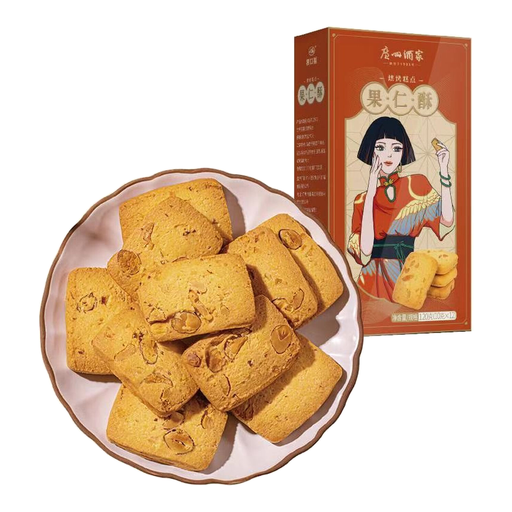
Why it fits this profile: Ideal if you want a crunchy snack for guests, a tea moment or a small gift.
The product information clearly states the presence of peanuts, sesame, egg and gluten. This prevents a wrong purchase based on appearance alone.
120g, mixed nut pieces and individually wrapped for sharing or storing.
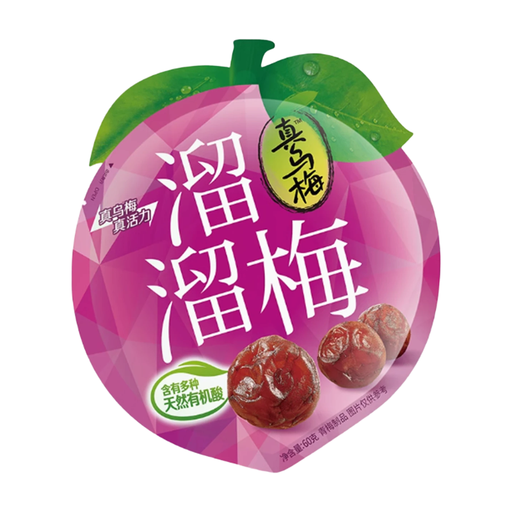
Why it fits this profile: For those who want prune snacks not just to eat straight away, but also to use in a hot or cold drink.
The product information lists sugar, salt and sweeteners. This tells you the flavour isn’t just sweet, but can also be salty and sour.
60g, ready to eat and suitable for steeping one or two plums in water.
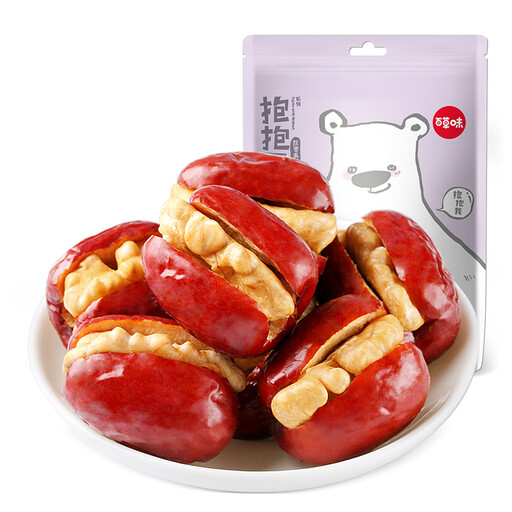
Why it fits this profile: A combination of soft dried fruit and crunchy walnut, perfect for a quiet moment with coffee or tea.
The quantitative ingredient declaration states at least 70% dates and 22% walnut. The allergen information explicitly mentions walnut.
118g, individually wrapped and, according to the product information, with no added sugar.
We’ve put together a full, up-to-date list of products that fully meet these strict selection criteria and comply with current European safety regulations.
Popular choices include hawthorn snacks, dried dates, prune snacks, nut brittle and soft fruit slices. When choosing for tea, start with flavour: hawthorn and prune are often sweet-and-sour or salty-and-sour, while dates and nut brittle tend to be sweeter.
No. Chinese sweets and candied fruit can also be sour, salty or spicy. So read the ingredients and nutritional values. Prunes in particular can contain relatively high levels of salt, while hawthorn snacks often contain a lot of sugar.
Store the pack in a cool, dry place away from direct sunlight. Seal the pack well after opening and follow the instructions on the label. Products with a soft texture can change in flavour or consistency more quickly once opened.
