
Vandaag of morgen in huis

Kwaliteit gegarandeerd

Welkomstaanbiedingen ontgrendelen: GRATIS bezorging | Tot 80% korting | Gratis 30 dagen JoyPlus-proefperiode
Download de app
Buying Asian snacks is a simple way to try new flavours, but the range varies widely in ingredients, portion size and origin. A striking packet doesn’t tell you much about the intensity of flavour, allergens or how much product you’re actually getting. With this guide, you can compare Asian crisps, Chinese snacks, Korean snacks and Thai snacks using verifiable product information.
Words like wasabi, chilli, BBQ or grilled squid give you a clue, but the actual taste depends on the spice blend. Some products combine heat with sweetness, sourness, smokiness or savoury notes. If you rely solely on the name, you might pick a snack that’s too mild or far too intense.
So, check the ingredients. With Gusto Wasabi Corn Puffs, wasabi flavour is listed as the taste direction, while the ingredients include maize, salt, sugar and flavourings. Pringles Hot Mexican Chili & Lime mentions chilli, lime, smoked paprika and garlic. That gives you a much better idea than just the product name.
A bag or tube weighing 165 or 200 grams might look suitable for sharing, but always check the net weight and the recommended serving size. Lay’s BBQ Chips at 200 grams states 6 to 7 servings of around 30 grams each. A smaller pack like Yan Jin Pu Zi O’Potato at 62 grams is much more straightforward for a single snack or eating on the go.
For parties, multipacks are handy. For your first taste of exotic crisps, smaller packs are often more practical, so you don’t end up with several open bags.
Terms like “baked”, “light” or “free from certain additives” don’t tell the whole story. Always compare the nutritional information per 100 grams, the ingredients list, allergen details and storage advice. A baked product can still be high in energy. Snacks with unusual flavours may also contain milk, soya, wheat, sesame or shellfish-type ingredients.
Check the packaging when it arrives. Product information and recipes can change. If you have allergies, the current Dutch labelling is what you should rely on.
First, choose based on the experience you’re after:
Also pay attention to the shape. Ridged crisps, like Lay’s Max Double Crunch, offer a chunkier bite. Seaweed rolls are individually wrapped, making them easier to take with you.
Don’t just compare the price per bag. Look at:
Bibigo Crispy Seaweed Snack comes as 5 grams x 3. Taokaenoi Big Roll contains 9 individually wrapped rolls of 2.1 grams each, totalling 18.9 grams. That’s a very different use case to a 185-gram bag of Lay’s.
The product information should clearly state which ingredients and allergens are relevant. Examples from this range:
If the information is contradictory or unclear, it’s best not to choose the product without checking the packaging. Nutritional values, such as energy, fat and salt, are usually given per 100 grams. Use that unit to compare products fairly.
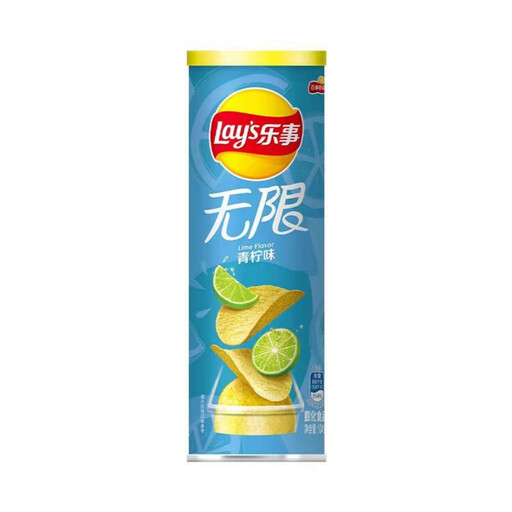
Why this fits the profile: The 90-gram pack is a straightforward introduction to Asian crisps. The combination of potato, lime and savoury spices is familiar without being an overly sharp snack.
The net weight and flavour direction are clearly stated. That way, you’re not paying for a large pack before you know whether citrus crisps suit you.
90 grams; crunchy potato crisps; lime as a recognisable flavour; product information lists wheat and soya.
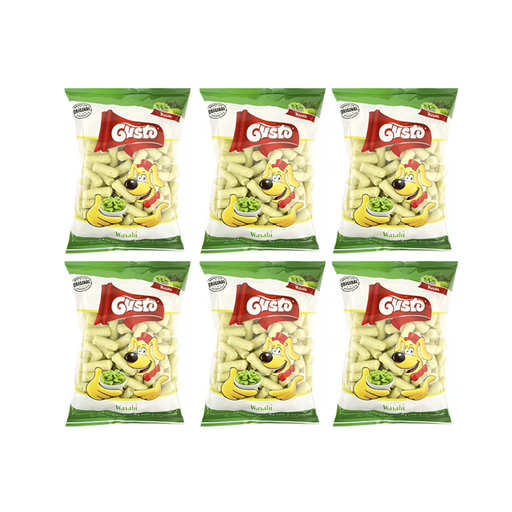
Why this fits the profile: This multipack is aimed at fans of a light corn snack with a distinct wasabi flavour. Six packs are practical for sharing, stocking up or a tasting session.
The product description mentions both the light texture and the wasabi flavour. This makes it easier to distinguish from sturdy potato crisps.
80 grams per pack; six packs; vegetarian according to the product information; none of the 14 main EU allergens listed.
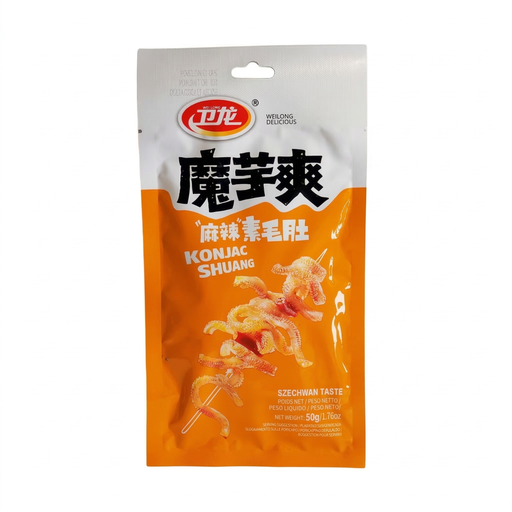
Why this fits the profile: This Chinese snack is for anyone who isn’t after ordinary crisps, but wants to try a chewy texture and a pronounced Sichuan-style mala flavour.
The pack is compact at 50 grams. The clear product description mentions the spicy and tingling flavour, so you’re less likely to end up with an unexpectedly mild product.
50 grams; ready-to-eat; konjac as the main ingredient; product information lists soya and wheat as allergens.
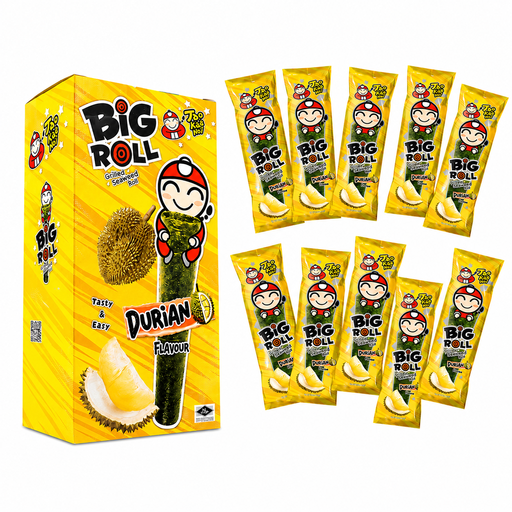
Why this fits the profile: This Thai seaweed snack combines savoury umami with the distinctive durian flavour. The nine small rolls are ideal for eating on the go or sharing a tasting moment with friends.
The flavour combination and portion breakdown are clearly described. That way, you know this isn’t an ordinary seaweed snack, but a product with a pronounced fruity aroma.
Nine individually wrapped rolls; total 18.9 grams; ready-to-eat; product of Thai origin.
We’ve put together a full, up-to-date list of products that fully meet these strict selection criteria and comply with current European safety regulations.
Start with a smaller pack and a recognisable flavour profile, such as lime, BBQ or tomato. If you want to try spicy snacks, you can then move on to wasabi, sweet chilli or Sichuan mala. Check the ingredients beforehand if you’re sensitive to strong spices or allergens.
Store crisps and other crunchy snacks in a cool, dry place away from direct sunlight. Seal the bag tightly or use an airtight container. Seaweed snacks and corn puffs lose their crunch relatively quickly when exposed to moisture. Always follow the storage instructions on the packaging.
Compare the net weight, the price per pack, the flavour, the origin, the ingredients and the allergens. Also consider whether you’re buying a single bag, a multipack or individual portions. That way, you’ll choose a product that suits your budget, when you plan to eat it, and your taste preference.
