
Vandaag of morgen in huis

Kwaliteit gegarandeerd

Welkomstaanbiedingen ontgrendelen: GRATIS bezorging | Tot 80% korting | Gratis 30 dagen JoyPlus-proefperiode
Download de app
Fancy some Asian snacks, but can’t decide between rice crackers, seaweed, fish or spicy crisps? The selection in the UK is huge. Packaging often highlights terms like “authentic”, “light” or “high in protein”, yet the real differences lie in ingredients, portion size, texture and allergens.
With this guide, you can compare snacks on points you can actually check. That way, you’ll avoid a bag that disappoints because the contents are too small, the flavour is unexpectedly sharp, or the ingredients don’t suit your dietary needs.
A large bag can contain a lot of air and a partial fill. So look at the net weight, not just the size of the packaging. For sharing at home, packs of 70 to 250 grams are practical. For the office, travel or snacking on the go, portions of 20 to 52 grams are often handier.
Also watch out for packs with multiple small units. For example, the Taokaenoi Big Roll Crispy Seaweed Durian Flavor contains nine individually wrapped rolls with a total of 18.9 grams. That’s good for sharing, but less suitable if you’re after a big snack stash.
Spicy snacks can range from sweet-chilli flavour to chilli with lime, roasted pepper or a pronounced fish taste. So check the flavour description and ingredients list. Chilli, garlic, lime, fish sauce and spices each give a different profile.
If you’re looking for a mild introduction, you could start with seasoned rice crackers or Thai crisps. Fans of more intense flavours can go for BENTO, Taro or hot prawn crackers.
Terms like “high protein”, “low fat” or “light” are only meaningful when you look at the nutrition table. For example, Taro Fish Snack Savory states 25 grams of protein per 100 grams, while the portion weighs 52 grams. With seafood snacks, the salt content can be relatively high. BENTO Mixed Seafood Snack Larb, for instance, lists 4.2 grams of salt per 100 grams.
Always check the information per 100 grams and per portion. Brand claims about effects or nutritional benefits aren’t established facts; verify them against the label and current product information.
Texture largely determines whether a snack suits the occasion:
Also check the main ingredient. Chao Ba Ye Rice Crispies Spicy Flavor contains wheat flour, corn flour, potato starch and spices, among other things. Mirasa Cassava Chips are based on cassava. With Taokaenoi, seaweed is the star, while Taro and BENTO use fish, squid or surimi.
Read the allergen section before buying, especially with fish snacks and seafood snacks. Possible allergens in this range include:
A product without any of the 14 listed EU allergens isn’t automatically suitable for every food allergy. Always check the current packaging. If the packaging is damaged, the product information advises not to use the product.
Most snacks in this overview are ready to eat and don’t need refrigeration. Store them according to the label in a cool, dry place, away from sunlight, heat and moisture. Seal the packaging well after opening to better preserve the crunchy texture.
With seaweed snacks and rice crackers, you’ll often notice moisture quickly from a softer texture. So a small pack can be practical if you don’t plan to finish a large bag quickly.
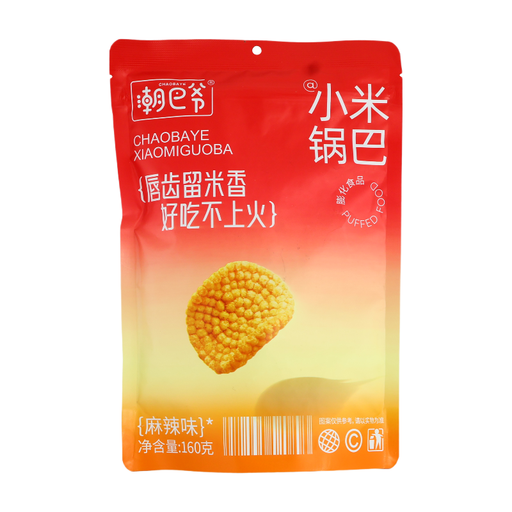
Why this fits the profile: The 160-gram pack is suitable for opening at home and sharing with others. This light rice snack has a savoury, spicy flavour and a distinct crunchy texture.
The net weight is clearly stated. This makes it easier to compare the contents with smaller bags and multi-packs.
160 grams content, crunchy rice texture and ready to eat. Contains gluten according to the product information.

Why this fits the profile: This Thai seaweed snack combines nori, tempura batter, chilli and lime. It suits anyone looking for layered flavour and a thin, crunchy texture.
The flavour description specifically mentions chilli and lime. So you know better what to expect than with a general description like “spicy”.
40 grams content, Thai origin and suitable as a snack or garnish for noodles, soup and salad. Contains wheat, soya and egg.
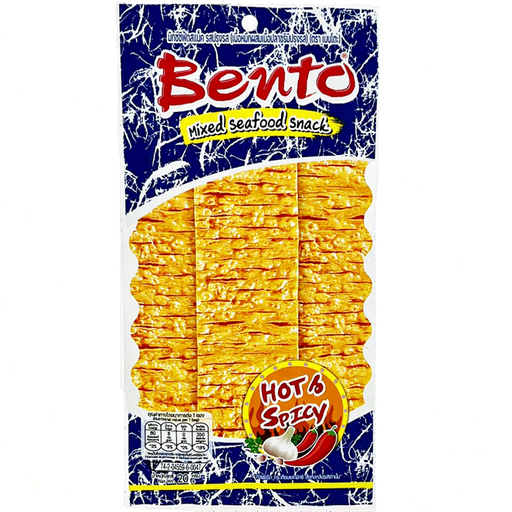
Why this fits the profile: The small pack is easy to take to the office, school or on the go. The chewy texture and hot chilli flavour are aimed at fans of pronounced seafood snacks.
The 20-gram portion limits waste and prevents a large bag from staying open for a long time. The product is ready to eat and doesn’t need refrigeration.
Contains 40% squid and surimi according to the product information; contains fish, soya and squid. Check the label if you have allergies.
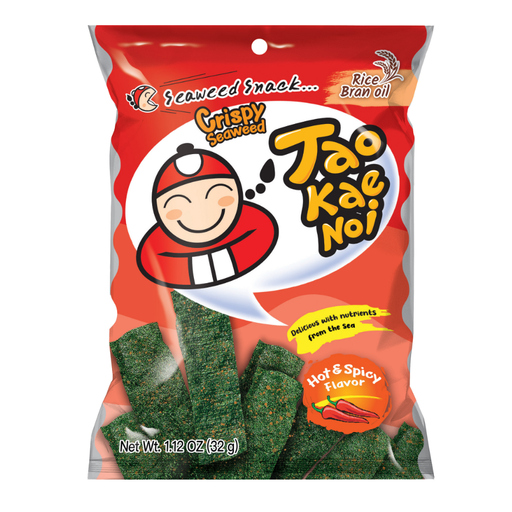
Why this fits the profile: This Asian seaweed snack is suitable for anyone looking for a thin, crunchy bite and a distinct seaweed flavour, for example during a work break or on the go.
The product information states 32 grams, 85% seaweed and the flavourings used. This allows you to compare it with tempura seaweed that has more batter.
Crunchy texture, 32 grams content and according to the product information none of the 14 main EU allergens. Check the packaging at the time of purchase.
We’ve put together a full, up-to-date list of products that fully meet these strict selection criteria and current European safety regulations.
Small, unrefrigerated packs are the most practical. Think of BENTO snacks at 20 grams, Taokaenoi rolls at 27 grams or Taro fish snacks at 52 grams. Keep the packaging dry and check it’s undamaged before opening.
Seal the packaging well and store it in a cool, dry place away from direct sunlight. For extra protection against moisture, you can put the snack in an airtight container. The crunchy texture is generally better preserved if you eat the product soon after opening.
Look at rice crackers, cassava crisps, potato crisps and seaweed products. Chao Ba Ye Rice Crispies, Mirasa Cassava Chips, Lay’s Sensations Thai Sweet Chilli and various Taokaenoi varieties are options where you can check the ingredients list for fish and seafood. Do watch out for other allergens, such as wheat, soya or egg.
