
Vandaag of morgen in huis

Kwaliteit gegarandeerd

Welkomstaanbiedingen ontgrendelen: GRATIS bezorging | Tot 80% korting | Gratis 30 dagen JoyPlus-proefperiode
Download de app
Fancy mochi, dorayaki, Japanese baumkuchen or Chinese pastries, but unsure about flavour, shelf life and portion size? With Asian snacks and pastries, the products vary enormously. A soft cake to enjoy with tea calls for a different choice than a savoury mooncake from the freezer.
What’s more, the packaging doesn’t always tell the full story. So look out for three common pitfalls:
Read the ingredients list before you buy Asian snacks online. Many Japanese desserts and Chinese pastries contain wheat, egg, milk or soya. Some products may also list peanuts, nuts, sesame or sulphites.
Also pay attention to the order of ingredients. Ingredients are generally listed in descending order by quantity. A meat floss cake with a clearly declared proportion of meat filling therefore gives you more information than a product that only says “savoury filling”.
Examples:
Always check the label on the packaging you receive. Product compositions and allergen information can change.
For a snack at the office, on a train journey or with your coffee, individually wrapped products are practical. They keep better across several eating occasions after opening and are easy to take with you.
Look out for the difference between:
A product with a short use-by period after opening is less suitable for someone who only eats a sweet snack occasionally.
Don’t just compare the number of packs, but also the net weight per piece. A box of four mooncakes at 70g each is different from a bag containing dozens of small cakes.
The nutritional information helps you compare products with each other. In the product information provided, the energy ranges from around 187 kcal to 510 kcal per 100g. These figures aren’t a judgement on a product, but they do highlight differences in composition.
Also pay attention to the preparation method:
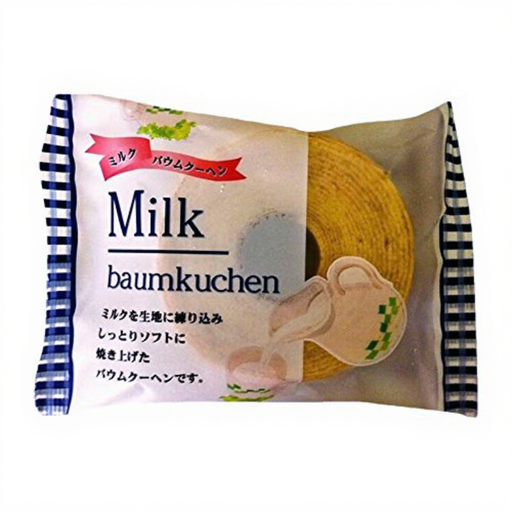
Why this suits the profile: An individually wrapped 80g cake is straightforward if you want to try Japanese baumkuchen for the first time or are looking for a small stash to enjoy with coffee.
The size makes the portion clear, and the product is ready to eat according to the description. Just store it in a cool, dry place and check the allergens.
80g, individually wrapped and, according to the product information, has a soft texture and milk flavour. Contains wheat, egg, milk and soya.
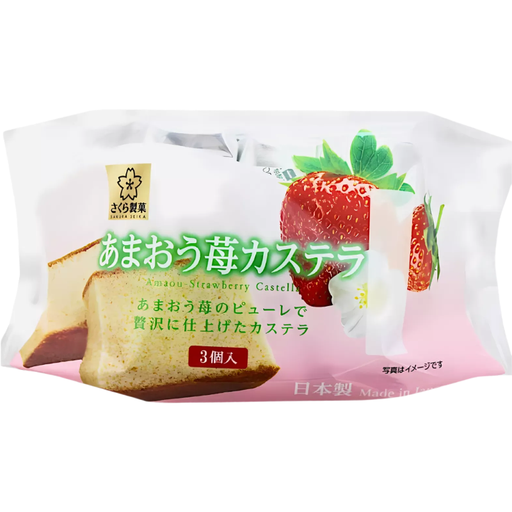
Why this suits the profile: The box contains three individually wrapped pieces, making it ideal for a tea-time treat, for guests or as a small gift.
The portion distribution is clear upfront. Because the product information mentions refrigerated storage, the storage method is obvious before you order.
Three portions, soft cake and Amaou strawberry flavour according to the product description. Contains egg and wheat; keep refrigerated.
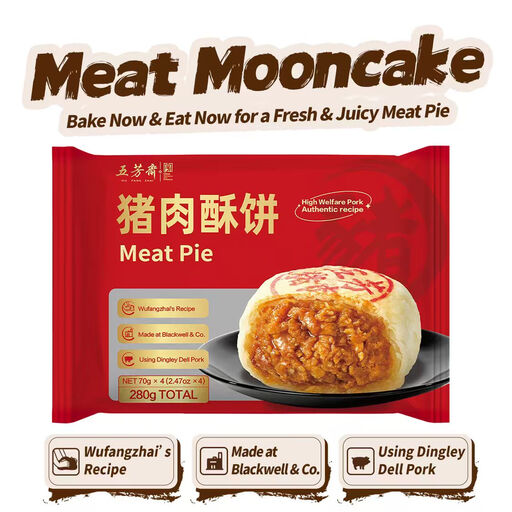
Why this suits the profile: These savoury mooncakes are ideal for eaters looking for Chinese snacks with a meat filling, whether for a warm snack or a light meal.
The preparation instructions clearly state that the product must be heated from frozen and should not be refrozen after thawing.
Four pieces of 70g each, 40% pork according to the product information, and suitable for oven or air fryer. Contains wheat, soya and sulphites.
If you prefer sweet, you could also look at mochi, mini-dorayaki with red bean paste, castella cake, Sachima or fruit pastries. For chocolate, there’s the Atom Japanese Chocolate Baum Cake, among others. The banana variant from Atom offers a different flavour direction within Japanese baumkuchen.
For savoury Asian snacks, meat floss cake and Youchen pastries are options with chicken or pork filling. When comparing, pay particular attention to the meat percentage, net weight, the presence of soya and the storage instructions.
We’ve put together a full, up-to-date list of products that fully meet these strict selection criteria and comply with current European safety regulations.
Mochi, dorayaki, Japanese baumkuchen, castella cake and Sachima are often chosen to enjoy with tea or coffee. Do check the filling, allergens and sugar content per 100g. An individually wrapped snack is handy for a single serving; a larger box is better for sharing.
Always follow the packaging. Many long-life cakes and Chinese snacks can be stored in a cool, dry place. Castella may need to be kept refrigerated, while mooncakes from the freezer must be stored at -18 °C or below. After opening, sealing well is important.
That depends on the packaging, shelf life and allergens. Individually wrapped Japanese desserts or a box with several flavours are practical for sharing. For a gift, it’s wise to check in advance whether chilled or frozen delivery is needed.
