
Vandaag of morgen in huis

Kwaliteit gegarandeerd

Welkomstaanbiedingen ontgrendelen: GRATIS bezorging | Tot 80% korting | Gratis 30 dagen JoyPlus-proefperiode
Download de app
When you search online for Asian snacks and drinks, you'll quickly come across dozens of types of jelly, soya drinks, desserts and vegetarian snacks. The packaging may look appealing, but it doesn't always tell you enough about the ingredients, portion size or storage method. A few simple checks will help you avoid buying something that doesn't suit your diet, taste or when you plan to eat it.
A product name like fruit jelly, lychee jelly or peach jelly often refers to the flavour. That doesn't mean the product is mostly made of fruit. So always check the percentage of fruit juice, fruit purée or fruit pieces in the ingredients list.
For example: the SHENG XIANG ZHEN White Peach Jelly contains 8% white peach according to the product information. The mandarin version contains 5% fruit juice. These are verifiable facts that tell you more than a picture of fresh fruit on the packaging.
A vegan jelly snack contains no ingredients of animal origin, whereas a vegetarian product may still contain milk or other animal-derived ingredients. Always read the allergen information and the full ingredients list.
For instance, the Family Whole Red Dates Soy Milk Cereal Powder contains soya beans, milk, oats and wheat. This product is therefore not suitable for a vegan or dairy-free diet. The DELIEF Vegan Collagen Konjac Jelly Lychee is listed as vegan and halal in the product information. Even so, always check the current packaging when you buy it again.
A box with six or ten portions can be convenient, but only if you actually like the flavour and have enough space to store the product. Compare the price per 100 grams or per portion, not just the total price.
Also pay attention to the shelf life. A product with lots of individual cups or sachets is practical for work, school or on the go, but opened products may sometimes need to be refrigerated or consumed quickly.
Start with the first ingredients on the label. These are usually listed in descending order of quantity. Also look out for:
With Japanese tofu, the ingredients list is often short. The J-BASKET Satonoyuki Shiki Tofu consists of water, 26% soya beans and thickener E511, according to the product description. Because tofu needs to be stored chilled, it's not a product you can keep in a cupboard for a long time without planning ahead.
Compare products on the same basis. An individual portion may look small, while a 180-gram pot may contain several servings. Pay particular attention to:
The DELIEF Vegan Collagen Konjac Jelly Lychee states 4 kcal and 0 grams of sugar per 100 grams. The Shimonita Konjac Jelly Salt Lychee, on the other hand, states 115 kcal and 28.7 grams of sugar per 100 grams. Both are jelly products with lychee flavour, but their nutritional profiles are clearly different.
Check whether the product is ready to eat straight away, needs to be prepared with hot water, or must be kept chilled. A plant-based ramen broth like the Daisho Ippudo Plant-Based Paitan Soup Base is designed to be mixed with water. That makes the packaging suitable as a store-cupboard product for ramen, hotpot or sauces.
For jelly products, pay attention to the usage instructions. Konjac jelly has a firm, slippery texture. Do not give this type of product to young children without supervision and follow the warnings on the packaging. Store unopened products according to the label and check the best-before date when they arrive.
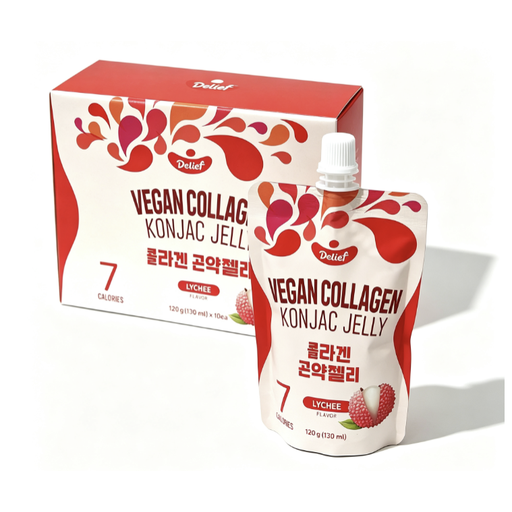
Why this suits the profile: A multipack with individual portions is a simple way to try konjac jelly or take it to work and on the go.
The product information explicitly states vegan and halal, no allergens and 0 grams of sugar per 100 grams. This makes comparing easier than relying on the flavour name alone.
10 portions of 120 grams; 4 kcal and 0 grams of sugar per 100 grams according to the product data.
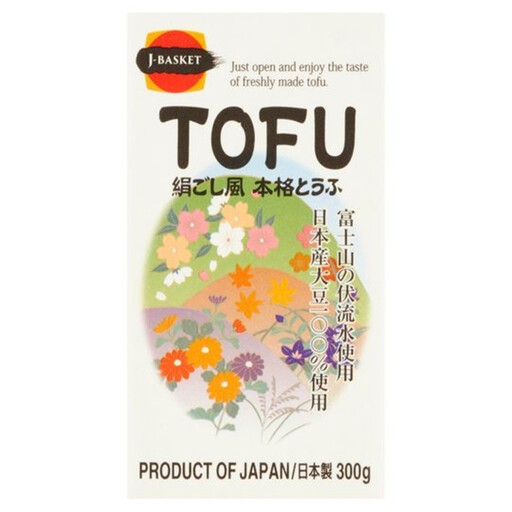
Why this suits the profile: Ideal for those who pay attention to ingredients and usage, and want to use Japanese tofu in soup, noodles or a light meal.
The ingredients list is clear: water, 26% soya beans and E511. Chilled storage is clearly stated, so you can plan the right place to keep it.
300 grams per pack; a useful ingredient for Japanese dishes; contains soya as a clearly stated allergen.
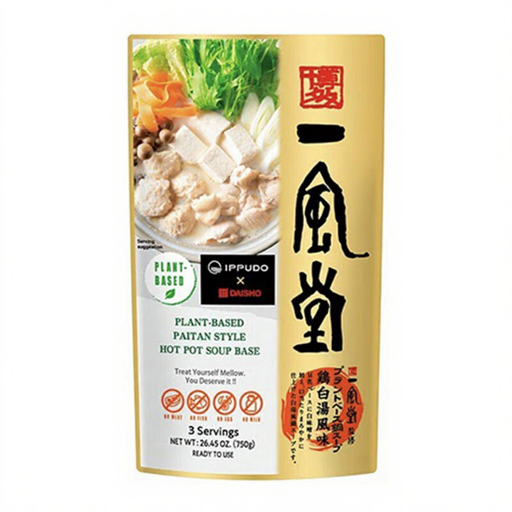
Why this suits the profile: Handy for anyone who regularly makes ramen, hotpot or plant-based sauces and wants one store-cupboard product for multiple dishes.
The product description mentions using it with water and lists ramen, hotpot and sauces as applications. So you're not buying a snack for one occasion, but a base with multiple uses.
750 grams; plant-based product positioning; suitable for several hot preparations.
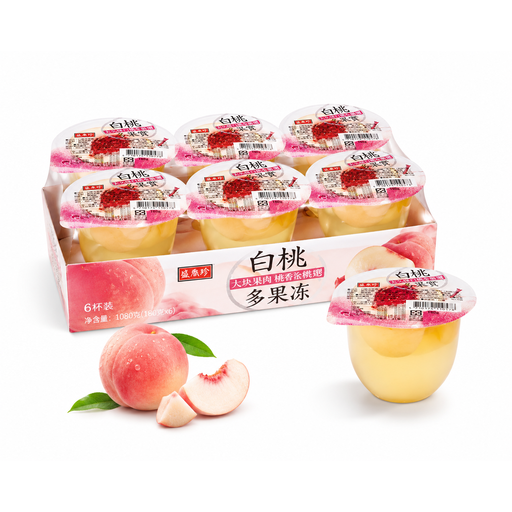
Why this suits the profile: Six individual cups are easy to share out as a dessert or sweet snack. The cups can be served chilled.
The percentage of white peach is stated: 8%. This allows you to distinguish the fruit content from the sweet jelly base.
6 cups of 180 grams; 8% white peach; 75 kcal and 13 grams of sugar per 100 grams according to the product information.
We've put together a full, up-to-date list of products that fully meet these strict selection criteria and comply with current European safety regulations.
For on the go, individual jelly sachets or cups are practical. The Jelly B Konjac Jelly Blueberry comes in a 150 ml sachet. For the store cupboard, products like red adzuki beans, soya drink or a ramen base make more sense. If you want to try different flavours, you can order lychee jelly, peach jelly and grape jelly alongside each other, and pay attention to portion size and sugar content.
For vegetarian snacks, soya products like Jin Mo Fang Vegetable Meat Rolls are an option. According to the product information, they are ready to eat straight away and contain soya and wheat. If you follow a vegan diet, check that the current packaging explicitly confirms this.
Konjac jelly is a soft or firm jelly snack that uses konjac powder as a thickener. The texture varies by brand and flavour. Check the ingredients, nutritional value and safety instructions before buying the product, especially if children will be eating it.
Soya drinks such as Vitasoy Original Soy Milk and Yeo's Pandan Flavoured Soy Bean Drink are examples of plant-based drinks made from soya. According to the product information, Vitasoy contains water, sugar, soya beans, calcium phosphate and salt, among other ingredients. Always check whether milk or other allergens have been added.
This varies by product. Shelf-stable jelly, dried beans and unopened soya drink can be stored outside the fridge according to the packaging. Tofu must be kept chilled. After opening, follow the stated time; Vitasoy, for example, advises refrigerating and consuming within 24 hours of opening. Always check the date and storage instructions on the label when your order arrives.
