
Vandaag of morgen in huis

Kwaliteit gegarandeerd

Welkomstaanbiedingen ontgrendelen: GRATIS bezorging | Tot 80% korting | Gratis 30 dagen JoyPlus-proefperiode
Download de app
Buying Asian snacks in the Netherlands is easy, but the range varies considerably in flavour, texture, packaging and preparation method. If you focus only on an appealing photo or words such as “traditional”, you may arrive home with a product that is not suitable for how you intended to use it.
This is mainly due to three common pitfalls:
When buying Asian snacks online, you should first check the instructions for use. Mochi, dorayaki, plum sweets and many dried fruit snacks are generally ready to eat. Other products are sold as dessert ingredients.
The Fresh ASIA Taiwanese Flavor Three-Color Taro Balls, for example, are frozen and not ready to eat. According to the product information, they should be placed in boiling water without thawing first. Once the balls float, continue cooking them for a few more minutes. They can then be added to sweet soup, tofu pudding or shaved ice.
For frozen products, check:
A snack’s name does not always tell you how it feels to eat. Mochi is soft and elastic because it is made with glutinous rice, while dorayaki consists of a soft cake with a sweet red bean filling. Nut brittle, on the other hand, is crunchy and may contain pieces of peanuts, sesame or other nuts.
For a more targeted choice:
Also pay attention to marketing terms. “Traditional”, “authentic” or “natural” say little by themselves about the exact composition. Instead, look at the ingredient percentages, preparation method and nutrition table.
The allergen information is important, especially when buying snacks to share. Guangzhou Restaurant Likoufu Fruit Nut Brittle contains wheat, peanuts, sesame and egg, among other ingredients. According to the product information, Q-Brand Japanese-Style Mochi Green Tea Flavor may contain traces of sesame, egg, peanuts, milk, gluten, soya and nuts, among other allergens.
A product containing maltitol is not automatically suitable for unlimited consumption. The MUSHAN BASE Yam Blueberry Lava-Filled Cookie states that excessive consumption may have a laxative effect. Always check the warnings and follow the recommended serving size.
Dried plums and similar Asian sweets can have a relatively high salt content. For example, UME HOUSE Tangerine Peel Flavor Plum Cake lists 3,820 mg of sodium per 100 grams. This makes it especially important to look beyond calories and sugar.
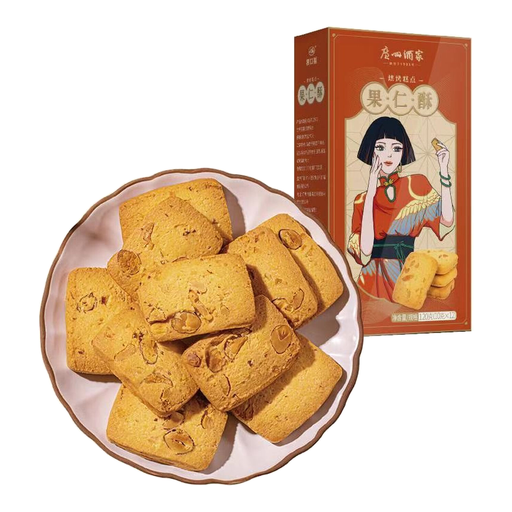
Why it suits this profile: This Chinese snack is individually wrapped and ideal as an introduction to crunchy sweets with tea.
The 120-gram portion is manageable and the pieces are individually wrapped. However, check the listed allergens: wheat, peanuts, sesame and egg.
A crunchy texture, mixed nuts and individual wrapping for home, the office or a gift hamper.
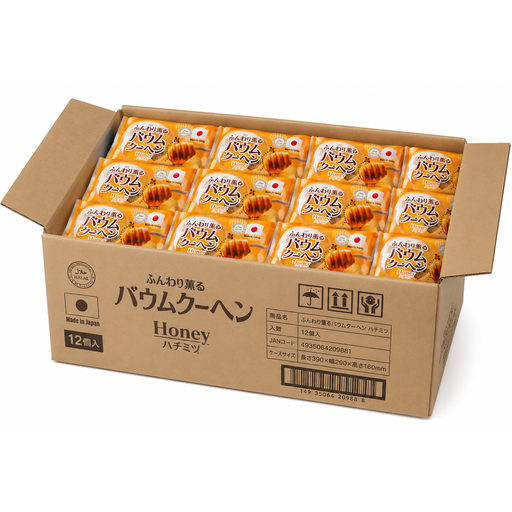
Why it suits this profile: The twelve individual portions are practical for guests, an office treat or a carefully put-together gift.
The product information clearly lists the ingredients and allergens. This is a soft cake, not a crunchy snack.
Individually wrapped, honey flavour and a halal indication in the product name. Contains egg, wheat, milk and soya.
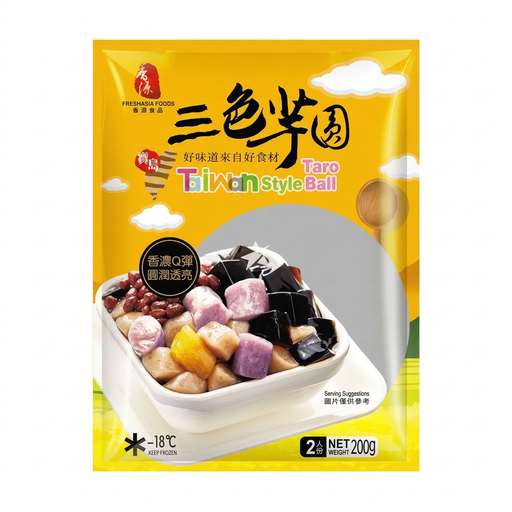
Why it suits this profile: Ideal for anyone who wants to make Taiwanese desserts at home and is happy to spend a few minutes cooking them.
The instructions clearly state that the product is not ready to eat. Keep it frozen and cook it thoroughly.
Three colours made with sweet potato, purple sweet potato and taro; suitable for sweet soup, tofu pudding and shaved ice.
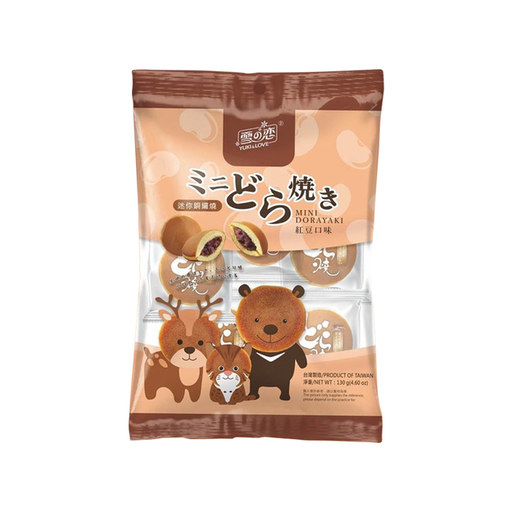
Why it suits this profile: The mini portions are easy to take to lectures, work or a picnic, and go well with coffee or tea.
This is a ready-to-eat snack. The ingredients list states that it contains 27.3% red bean paste; the allergens are wheat, egg and soya.
Soft cake, sweet azuki filling and a size that is ideal for individual portions.
We have put together a complete, up-to-date list of products that fully meet these strict selection criteria and the applicable European safety regulations.
If you want to try different categories, you can also consider:
Store dry products in a cool, dry place, away from direct sunlight. Once opened, resealable packaging or an airtight container is useful for preserving the texture and freshness for longer. Check the best-before date on the packaging for each product, as it may vary from batch to batch.
Mochi, dorayaki, plum sweets, date snacks and many cakes are intended to be eaten straight away. Frozen products such as taro balls must be cooked thoroughly first. Always read the instructions on the product page and packaging.
Shelf life varies from one product to another. Unopened dry snacks can generally be stored at room temperature, as stated on the packaging. Once opened, they often need to be eaten immediately or sealed properly. Frozen products should be stored at the specified temperature.
Check both the ingredients and the allergen statement. Many Chinese and Japanese snacks contain wheat, egg, soya, milk, peanuts, sesame or nuts. If there is a risk of cross-contamination, the warning “may contain traces of” is relevant. If in doubt, it is better not to order the product.
