
Vandaag of morgen in huis

Kwaliteit gegarandeerd

Welkomstaanbiedingen ontgrendelen: GRATIS bezorging | Tot 80% korting | Gratis 30 dagen JoyPlus-proefperiode
Download de app
Buying Asian snacks online might seem straightforward, but product packaging doesn’t always tell the full story. A bag with a bold chilli image could, for example, be only mildly seasoned, while a small packet might actually contain a lot of salt or allergens. What’s more, portion size, texture and shelf life are important differences between Chinese snacks, Korean snacks and Thai snacks.
With this guide, you can compare Asian snacks on points you can actually check. That way, you can make more targeted choices for a film night, party, gaming session, lunchbox or snack on the go.
Heat can come from chilli, Sichuan pepper, wasabi or a spiced sauce. These flavours are not the same. Chilli mainly gives warmth, Sichuan pepper can create a tingling sensation, and wasabi has a sharp, shorter-lived kick. So check the ingredients and flavour description rather than relying solely on words like “hot” or “spicy”.
A multipack can be handy for sharing, but look at the weight per portion and the number of individual packets. A 260 g bag, for example, might contain around 26 small portions. That’s practical for a group, but less suitable if you only want to try a new flavour every now and then.
Many vegetarian snacks are based on wheat gluten, soya or konjac with soy sauce. Always check the allergen information on vegetarian snacks. Products containing fish, squid, prawns or shellfish are obviously not suitable for vegetarians, even if they consist mainly of spices or crisps.
The base determines the eating experience:
If you’re trying Chinese snacks for the first time, you can start with a familiar crisp texture. Those who prefer more intense textures can go for konjac snacks or wheat gluten instead.
Read the full product information before buying. Pay particular attention to:
The packaging is the deciding factor. Product information online can change or be less detailed than the label. So also check the allergens, best-before date and storage advice when you receive your order.
Use the nutrition table to compare products fairly. Ideally, look at values per 100 g and at the actual portion size. Some spicy snacks contain relatively high levels of salt. For example, the product information for Weilong Kiss Burn states 15.75 g of salt per 100 g, while Be&Cheery Konjac Vegetarian Tripe states 3.2 g of salt per 100 g.
That doesn’t automatically make a product unsuitable, but it does help you make a more informed choice. A small 20 g pack, like some BENTO seafood snacks, is practical for a single snack moment. A multipack with 40 g bags works better for a party or shared use.
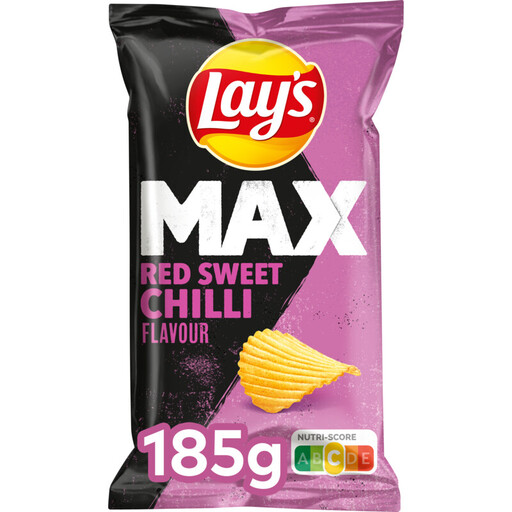
Why this fits the profile: The ridged potato crisps have a familiar texture and a sweet-spicy flavour. The 185 g pack is suitable for sharing or planning several snack moments.
The flavour description explicitly mentions sweet red chilli. So you know it’s a sweet-spicy seasoning blend and not purely intense heat.
Ridged potato crisps, 185 g and, according to the product information, suitable for vegetarians.
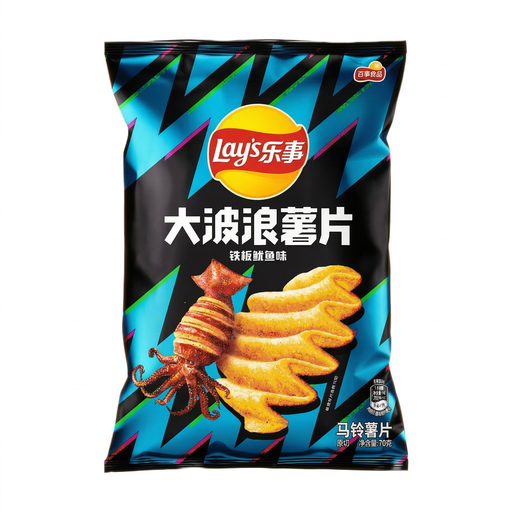
Why this fits the profile: This choice combines thick, ridged crisps with a savoury flavour that, according to the product description, is inspired by grilled squid and teppanyaki.
The product clearly states that it contains squid, soya, wheat, milk and sesame. This prevents confusion with a seafood-flavoured snack.
Thick “Big Wave” cut, 70 g and a clearly specified seafood seasoning.
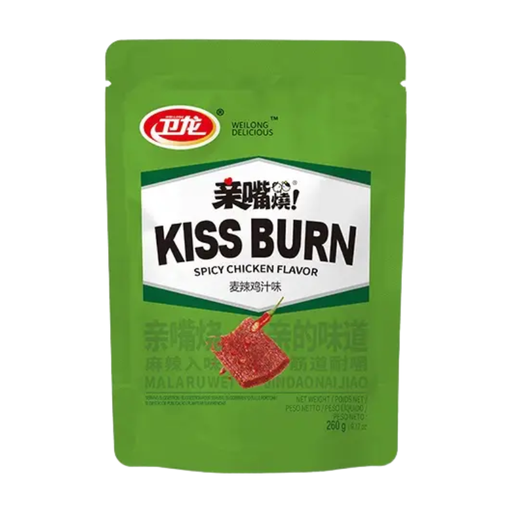
Why this fits the profile: The wheat-based snack strips are chewy and come in a 260 g pack, which according to the description is good for around 26 small portions.
The portion breakdown makes the large pack easy to manage. Do check the high salt content of 15.75 g per 100 g and the allergens wheat, soya and mustard.
260 g, chewy wheat snack and individually wrapped portions according to the product information.

Why this fits the profile: This plant-based konjac snack has, according to the product information, a chewy, smooth texture and is individually wrapped for on the go or sharing.
The name and ingredients mention konjac, but also soya, wheat and sesame. Check these allergens if you eat a vegetarian diet or have food intolerances.
180 g, individually wrapped and 84 kcal per 100 g according to the stated nutritional information.
We’ve put together a full, up-to-date list of products that fully meet these strict selection criteria and comply with current European safety regulations.
Start with familiar products such as potato crisps, corn puffs or a mild noodle snack. Choose a pack where the flavour is clearly described, for example sweet chilli or paprika. That way, you avoid buying a very strong Sichuan, wasabi or seafood flavour straight away.
No. There are also savoury, sweet, barbecue and seaweed snacks without pronounced heat. Check the ingredients for chilli, capsicum, Sichuan pepper, wasabi and spicy sauce. The term “Asian flavour” alone doesn’t tell you enough about the intensity.
Store unopened snacks according to the label, usually in a cool, dry place away from direct sunlight. Seal opened crisps, rice snacks and seaweed snacks well to keep them crunchy. Some konjac snacks need to be refrigerated after opening; always follow the product packaging for this.
