
Vandaag of morgen in huis

Kwaliteit gegarandeerd

Welkomstaanbiedingen ontgrendelen: GRATIS bezorging | Tot 80% korting | Gratis 30 dagen JoyPlus-proefperiode
Download de app
Buying Asian snacks might seem straightforward, but the range varies widely in taste, ingredients and portion size. Whether you’re looking for Chinese snacks, Thai snacks or Japanese snacks for a film night, a party or eating on the go, simply looking at the packaging is rarely enough.
Pay particular attention to three common pitfalls:
The information on the packaging is what you should rely on. Product pages may contain less detail or older information than the label. So before eating, always check the ingredients, allergens, best-before date and storage instructions.
First, decide what type of snack you’re after. Spicy snacks such as Aloo Bhujia, seasoned gluten products or snacks with chilli and Sichuan pepper are ideal for those who love savoury, aromatic flavours. If you prefer something sweet, look at hawthorn snacks, fruit bars or a sweet mix.
Texture also makes a difference:
A product like MUSHAN BASE Mixed Fruit and Vegetable Crisps combines purple sweet potato, banana, taro, apple, green peas and carrot. According to the product description, the ingredients are processed using vacuum technology at a low temperature. That tells you something about the production method, but it’s no guarantee of a particular taste or nutritional value.
Read the ingredients list from top to bottom. Ingredients are usually listed in descending order by quantity. With Bon Appetit Yamato Mix, for example, the base is 86% rice, supplemented with soya sauce, cane sugar, seaweed and chilli powder. This rice snack contains soya and may contain traces of peanuts, nuts and sesame.
With seaweed snacks and seafood snacks, it’s important to tell the difference. A snack with nori seasoning may also contain fish, squid, surimi, soya or wheat. According to the product information, Bento Mixed Seafood Snack Super Seaweed contains 40% squid and 30% surimi. So this is not a vegetarian snack, despite the presence of seaweed.
For vegetarians, options include Bikano Aloo Bhujia Mix, Jin Mo Fang Vegetable Meat Rolls and certain vegetable chips. Always check the current label, especially with composite products and multipacks.
Don’t just compare the price on the pack – compare the price per 100 grams too. A 20-gram bag is handy as a snack for on the go, while a 300 to 500-gram pack makes more sense for a party or sharing.
Also look at the nutritional values per 100 grams. Examples from product information:
These values help you compare, but they don’t automatically mean a product is suitable for every dietary preference. A small portion can be practical, while a large bag offers better value if you’re sharing with several people.
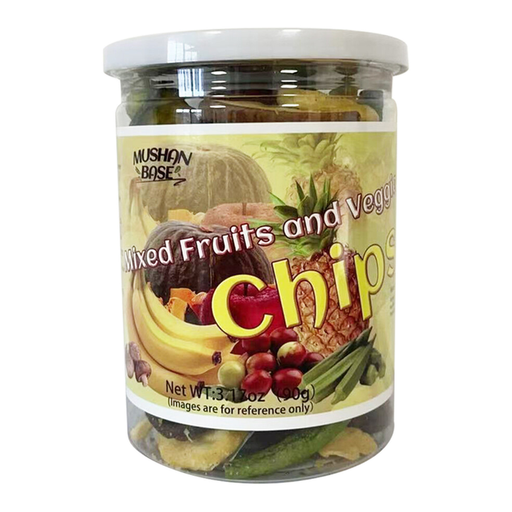
Why it fits the profile: This mix combines fruit and vegetables in one bag and is ready to eat straight away. Handy if you want to try different flavours without buying several packs.
The weight is clearly stated as 90 grams and the ingredients list names the individual fruit and vegetable types.
90 grams; crispy mix; ready to eat; ideal for a first introduction to vegetable chips and fruit chips.
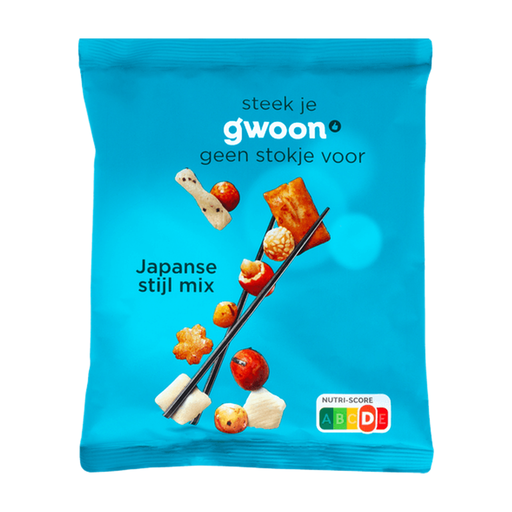
Why it fits the profile: This Japanese mix is designed for sharing over drinks or at a gathering and comes in a pot that, according to the product information, is made from recycled material.
The packaging states the weight of 250 grams and provides a full ingredients and allergens list for checking beforehand.
250 grams; suitable for sharing; contains peanuts, sesame and seaweed among other ingredients; resealable pot according to the product description.
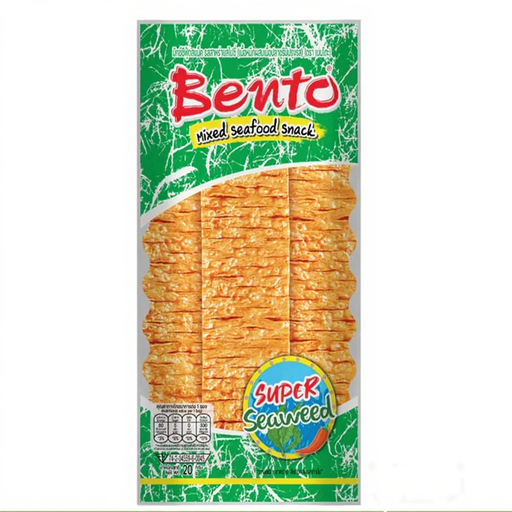
Why it fits the profile: The small pack is practical for on the go, at school or at work. The combination of squid, surimi, nori and chilli suits fans of savoury seafood snacks.
The size means you don’t have to open a large bag for just one snack. The allergens, including fish, crustaceans and molluscs, are clearly listed.
20 grams; individually packed; 40% squid and 30% surimi according to the product information; pronounced seaweed and chilli flavour.
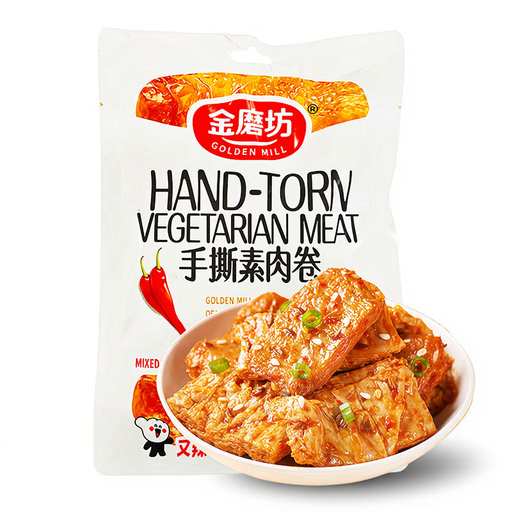
Why it fits the profile: This plant-based snack made from soya protein and wheat flour is ready to eat and ideal for a lunchbox, snack time or picnic.
The product description clearly mentions soya and wheat. This helps you make a more informed choice based on vegetarian preferences and allergies.
120 grams; mixed flavours; ready to eat; 18 grams of protein per 100 grams according to the stated nutritional information.
We’ve put together a full, up-to-date list of products that fully meet these strict selection criteria and comply with current European safety regulations.
Small, individually wrapped products are practical. Bento seafood snacks at 20 grams are one example. Individually wrapped spicy snacks, such as some Bestore collections, are also easy to take with you. Check whether the product can be stored without refrigeration and seal an opened pack properly.
Bikano Aloo Bhujia Mix, some vegetable chips and Jin Mo Fang Vegetable Meat Rolls are described as vegetarian or plant-based in the product information. Always check the current label. Soya and wheat are common in vegetarian snacks and may be relevant if you have allergies or intolerances.
Store opened snacks in a cool, dry place away from direct sunlight. Seal the pack well to prevent loss of crispness and exposure to moisture. For products with specific advice, such as refrigerating after opening, follow the instructions on the pack. Do not use a product if the packaging is damaged.
