
Vandaag of morgen in huis

Kwaliteit gegarandeerd

Welkomstaanbiedingen ontgrendelen: GRATIS bezorging | Tot 80% korting | Gratis 30 dagen JoyPlus-proefperiode
Download de app
Asian snacks offer so much more than just spicy crisps. Think Chinese snacks with chilli and Sichuan pepper, Thai seafood snacks, Japanese rice crackers, Indian spice mixes, vegetable crisps and sweets to share. This variety makes shopping online appealing, but also trickier. A striking packet tells you very little about portion size, allergens or the actual flavour.
With this guide, you can compare snacks on points you can actually check. That way, you’ll find the right choice for home, a party, on the go or a sharing platter.
A bag or jar can look generous, but the contents might be made up of lots of small sachets or disappear quickly when you’re sharing with several people. Always check the net weight and see whether the packet is divided into individual portions.
A 20-gram packet, for example, is handy for on the go, but it’s usually not great for sharing. A jar or multipack of 250 grams or more is better suited to a drinks party or film night.
Spicy snacks vary enormously. Chilli can be combined with sugar, garlic, lemongrass, Sichuan pepper or Namprik spices. That means the flavour can be sharp, sweet-spicy, sour-spicy or savoury.
Don’t just look at words like “hot” or “spicy”; also check the ingredients list. With BENTO Mixed Seafood Snack Hot & Spicy, for example, chilli is listed as part of the flavourings. The intensity is still personal; a product name isn’t a standardised scale.
A snack with vegetables isn’t automatically vegetarian. Some flavourings, sauces or stocks can contain animal ingredients. So check the ingredients and allergens on the product page and on the packet itself.
Terms like “natural”, “low-temperature” or “non-fried” also don’t automatically describe a specific nutritional value. The nutrition table remains the practical source for comparison.
For one person, small packets are convenient. For a party, larger quantities or several individual portions are usually more practical. Also pay attention to the shelf life after opening. According to the product information, many dry snacks should be stored in a cool, dry place and sealed tightly.
A few examples:
At a minimum, check for the presence of peanuts, nuts, soya, wheat, gluten, milk, sesame, fish, shellfish and molluscs. Seafood snacks often contain several allergens at once. With BENTO Mixed Seafood Snack Larb, for example, squid, fish, wheat, soya, peanuts and crab are listed.
Also look out for possible traces. Product information can vary by batch or packet. If you have an allergy, it’s wise to follow the actual packet and not rely solely on an online summary.
Compare products on the same basis: usually per 100 grams. Pay particular attention to sugar, salt, fat and protein when you’re comparing different types of snacks. A small portion can give a different impression from the value per 100 grams.
For example, the product information for BENTO Mixed Seafood Snack Roasted Chili states 3 grams of salt per 100 grams. The Thai Namprik variant states 1200 mg of sodium per 100 grams. These values aren’t shown in the same way, so always check the unit and the actual packet.
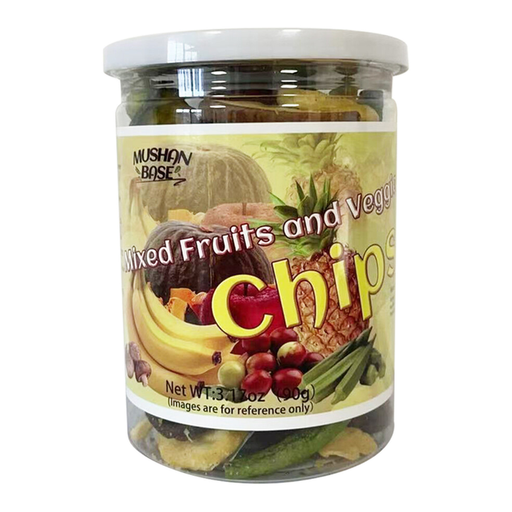
Why this fits the profile: An accessible mix for anyone wanting to try different flavours without buying a large packet straight away. The bag contains purple sweet potato, banana, taro, apple, pea and carrot.
The net weight of 90 grams is clearly stated. This makes it easier to compare the quantity against larger vegetable crisp or fruit mixes.
Mixed fruit and vegetable crisps; ready to eat; prepared using low-temperature frying according to the product information.
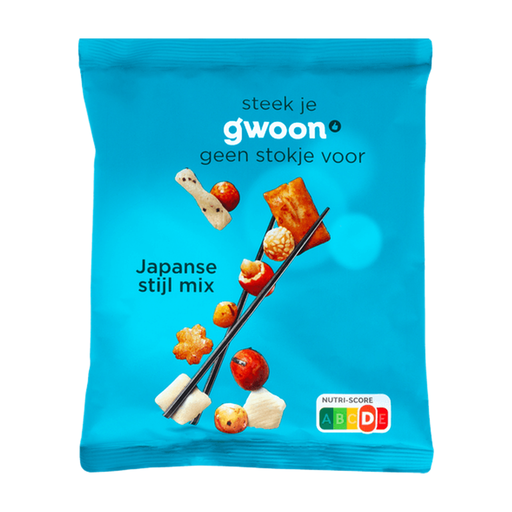
Why this fits the profile: This Japanese mix is designed for sharing at a drinks party. The jar contains, among other things, maize, peanuts, sesame, seaweed and a soy-sauce-style flavouring.
The 250-gram content and resealable jar make portion size and storage clearer than with loose small sachets.
250 grams for a group; according to the product description, the jar is made from 100% recycled material and is reusable.
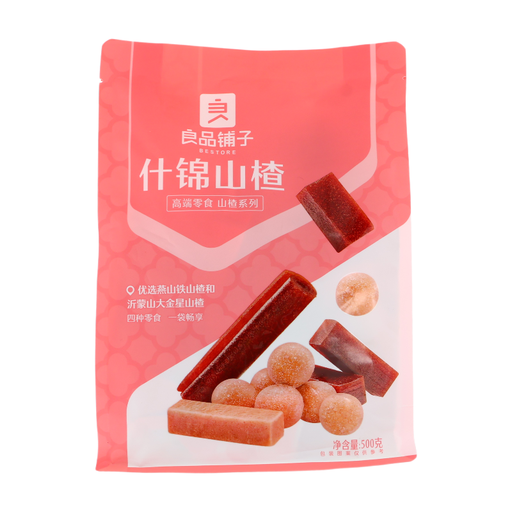
Why this fits the profile: Handy for anyone wanting to hand out several small portions or keep a stock of sweets for visitors. According to the product information, the set contains 25 small bags in different shapes.
The 25 individual sachets limit the problem of a large open packet that quickly loses its texture.
500 grams total; four shapes mentioned; suitable for vegetarians according to the product information.
We’ve put together a full, up-to-date list of products that fully meet these strict selection criteria and current European safety regulations.
Choose a packet from around 200 grams, a sharing mix or a set with individual sachets. Japanese mixes, rice crackers, Indian spice mixes and hawthorn snacks are practical for several people. Do check that the flavour and allergens suit your group.
Small, dry packets of 20 to 135 grams are easy to take with you. Seafood snacks and individually wrapped Chinese snacks are ready to eat. Store them according to the label and use an opened packet in good time.
The exact best-before date is on the packet. Unopened dry snacks can often be stored in the cupboard for a long time, but moisture and heat will reduce their crunchiness. Seal an opened bag or jar tightly and check the smell, appearance and texture before eating the snack.
