
Vandaag of morgen in huis

Kwaliteit gegarandeerd

Welkomstaanbiedingen ontgrendelen: GRATIS bezorging | Tot 80% korting | Gratis 30 dagen JoyPlus-proefperiode
Download de app
Buying Asian snacks in the Netherlands is easy, but the range varies considerably. Korean snacks, Chinese snacks, Japanese snacks and Thai snacks differ not only in flavour, but also in portion size, ingredients, allergens and storage requirements. Eye-catching packaging does not necessarily tell you much about what you will actually receive.
Pay particular attention to these common pitfalls:
When choosing vegetarian snacks, do not just read the front of the packaging. Products based on soya protein, wheat gluten or tofu can provide a firm, savoury bite, but are not suitable for people with a soya or gluten allergy.
A specific example is Wuxianzhai Small Vegetarian Meat Spicy Flavor. The product information lists soya, wheat gluten and sesame as allergens. According to the nutritional information, the snack contains 20.9 grams of protein per 100 grams, but also 2.7 grams of salt per 100 grams. This makes the nutritional table more important than simply relying on the “high-protein” claim.
For sweet-flavoured snacks, the focus is often on carbohydrates and sugar. According to the product information, Candyman Manna Puffed Rice contains 79 grams of sugars per 100 grams. This is useful information when comparing sweets with savoury snacks.
Individually wrapped portions are practical for a lunchbox, train journey or snack break at work. The packaging also helps prevent a crunchy snack from quickly absorbing moisture after opening.
The Bibigo seaweed snacks, for example, come as a multipack containing small packets. Wei Long Konjac Crunchy Snack consists of 20 portions of 18 grams, totalling 360 grams. A box like this is handy for sharing or planning several snack breaks, but compare the total amount with that of a single bag.
For a party, a larger pack may make more sense. However, Duca Mini Spring Roll, weighing 400 grams, is a frozen product. Check that you have enough freezer space and follow the instructions on the packaging. According to the product information, the product must not be refrozen after thawing.
Many Asian snacks are ready to eat. This includes seaweed snacks, konjac snacks, dried tofu and vegetarian meat products. As a general rule, store dry products in a cool, dry place away from sunlight and moisture. Reseal the packaging securely after opening.
Be aware of the difference between:
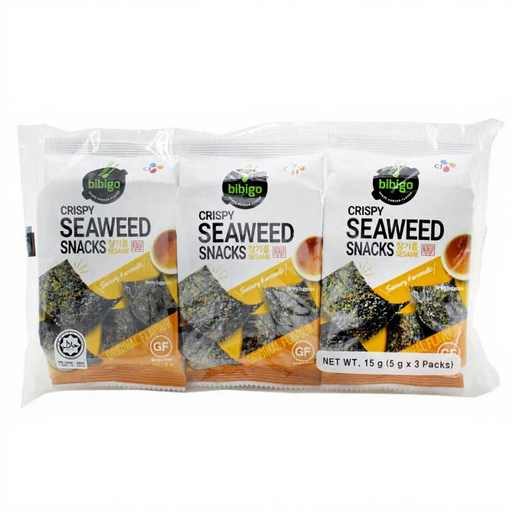
Why it suits this profile: The three small packets are ideal for trying Korean snacks at your own pace without immediately buying a large stock.
The portions are clearly stated, and the ingredients list includes seaweed, rapeseed oil, sesame oil and salt.
Crunchy texture, three portions and, according to the product information, gluten-free; does contain sesame.
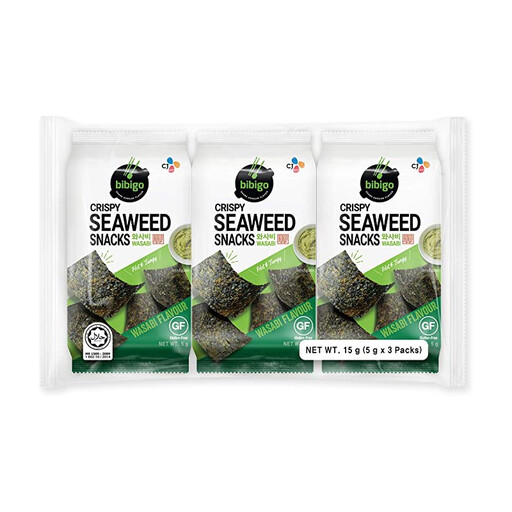
Why it suits this profile: This Korean seaweed snack combines a small portion with wasabi seasoning for anyone looking for a distinctive flavour.
The product information lists the seasoning, portion size and allergens: mustard and sesame.
Three individually wrapped portions and, according to the product information, 20 grams of protein per 100 grams.
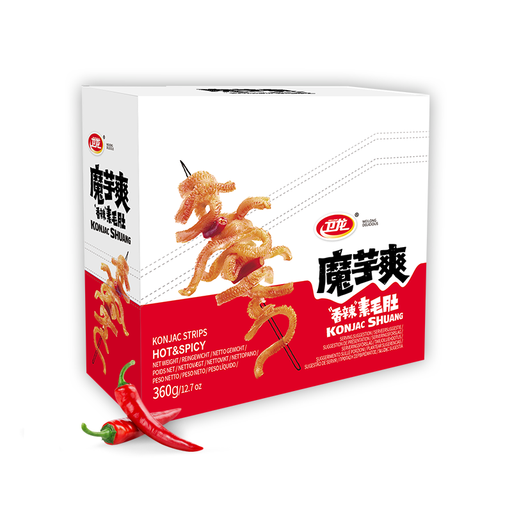
Why it suits this profile: The box contains 20 portions, making it ideal for fans of spicy snacks who often want to take or share a small snack.
The 18-gram portions are individually wrapped, so you do not have to open the whole box at once.
20 individual portions, ready to eat; according to the product information, contains konjac flour, soya and wheat.
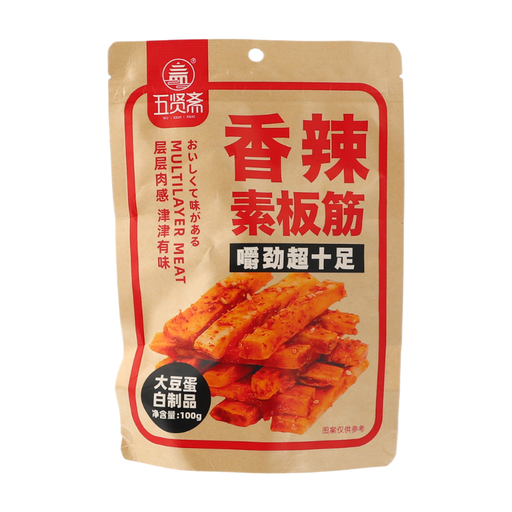
Why it suits this profile: This savoury snack is for anyone wanting to try vegetarian meat with a firm, chewy texture and Sichuan seasoning.
The product information clearly lists soya, wheat and sesame as allergens. “Vegetarian” is therefore not treated as synonymous with allergen-free.
Ready to eat, 100 grams per pack and, according to the product information, 25 grams of protein per 100 grams.
We have put together a complete, up-to-date list of products that fully meet these strict selection criteria and the applicable European safety regulations.
Products such as vegetarian meat, dried tofu and some seaweed snacks may be suitable. Always check the ingredients and allergens on the current packaging. “Vegetarian” also does not automatically mean vegan.
No. The range includes everything from mild rice snacks and confectionery to spicy Chinese snacks, wasabi seaweed and mala flavours. Look for words such as chilli, Sichuan, wasabi and spicy in the product name and description.
Store dry snacks in a cool, dry place in a sealed container or securely closed packaging. Crunchy products generally stay crisp for longer when properly sealed. Frozen products must remain frozen until preparation. For the exact shelf life and storage temperature, always consult the packaging.
