
Vandaag of morgen in huis

Kwaliteit gegarandeerd

Welkomstaanbiedingen ontgrendelen: GRATIS bezorging | Tot 80% korting | Gratis 30 dagen JoyPlus-proefperiode
Download de app
When you buy Asian snacks online, you’ll often see eye-catching packaging, large value packs and terms like “authentic” or “traditional”. Yet a nice product photo tells you little about the portion size, preparation method or allergens. As a Joybuy Product Recommendation Officer, I therefore focus on verifiable details: ingredients, weight, storage, preparation and when to eat them.
Whether you’re looking for Chinese snacks, Korean snacks, savoury bites for a gathering or a quick meal, watch out for these common pitfalls.
A family-size pack may look appealing, but first check the net weight and number of portions. A 408 g bag can be handy for sharing, while a multipack of smaller bags is better for snacks on the go. Where possible, compare the price per 100 g and consider whether you’ll use the product before its best-before date.
A description like onion flavour, prawn flavour or spicy doesn’t automatically tell you how much of the main ingredient is actually in there. With prawn snacks, it’s important to read the ingredients list. The Nongshim Shrimp Cracker, for example, states it contains 8.5% prawns. The packaging also lists allergens such as crustaceans, fish, soya and gluten.
Similarly, onion-flavour snacks may contain wheat, milk or soya. A product described as “vegetarian” isn’t automatically suitable for someone with a milk or gluten allergy.
Some Asian party bites are ready to eat, but frozen products must be fully heated first. The Synear dumplings, for instance, are designed to be cooked straight from the freezer in a pan. According to the product instructions, thawing isn’t necessary, and refreezing after defrosting is not recommended.
Also check whether you need an oven, air fryer, pan or deep fryer. That way, you won’t end up with a product sitting unused in your cupboard or freezer.
For a quick snack, packs of 40 to 125 g are practical. Think ring-shaped snacks, prawn crackers or a bag of crispy fried onions as a topping. For a family, party or stock-up, larger packs are more interesting, such as 500 g of fried dough sticks or 408 g of mini dough twists.
Also note the difference between a snack and a meal component. Dumplings can be served as a snack, but also as a vegetarian meal. Instant noodles are usually packed per portion and need just a few minutes to prepare.
Look out for these three points:
Frozen products should be kept at -18 °C or lower. For dry snacks, a cool, dry place away from direct sunlight is important. Seal opened packs tightly to prevent moisture and loss of crunch.
Always check the actual packaging. Online product information can change, and packaging may contain more details than a webpage. Pay particular attention to:
Nutritional values are usually given per 100 g. That makes comparison easier, but a portion may be smaller than 100 g. So use both the table and the net weight to get a realistic picture.
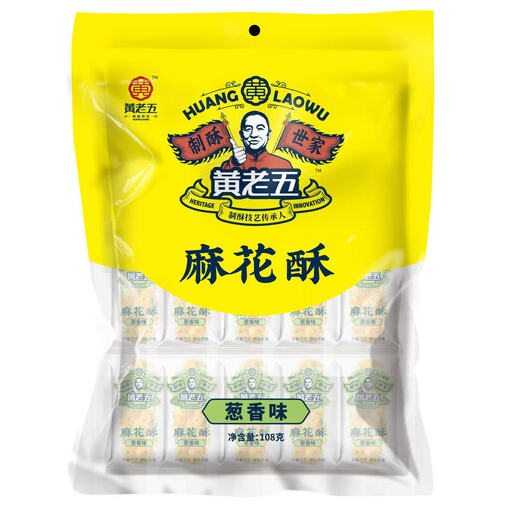
Why this fits the profile: A compact, ready-to-eat Chinese snack with scallion flavour for anyone wanting to try savoury dough snacks without any cooking time.
The net weight is clearly stated and the product is ready to eat. So you don’t need to plan any extra cooking equipment.
108 g, ready to eat, with wheat and sesame clearly listed as allergens.
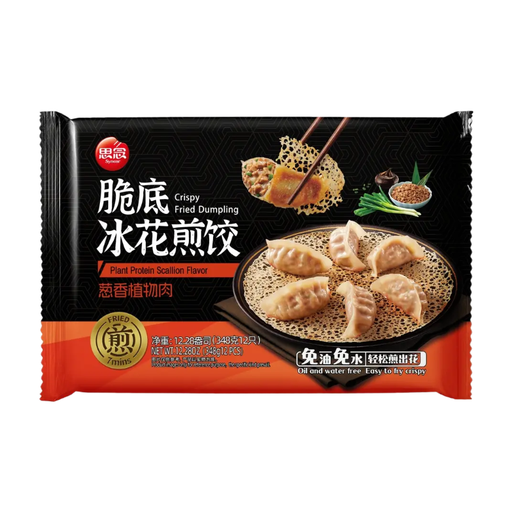
Why this fits the profile: Ideal for anyone looking for a plant-based dumpling with a crispy bottom, who is happy to spend a few minutes cooking in a pan.
The preparation method is clear: cook from frozen in a pan and heat through completely. This makes it obvious that it’s not a ready-to-eat snack.
348 g, plant-based protein filling and a described crispy lattice on the underside. Contains wheat, peanuts and soya.
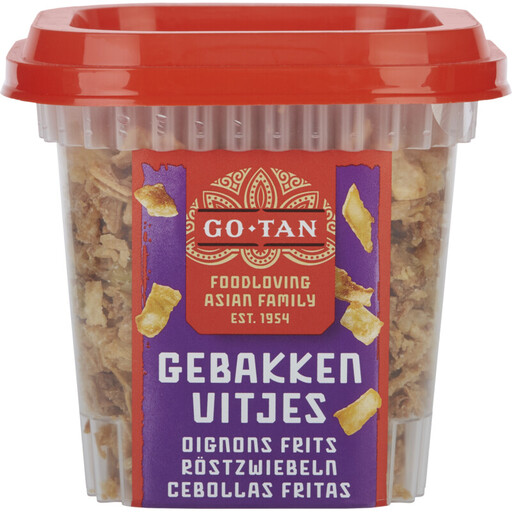
Why this fits the profile: For home cooks who often finish rice, noodles, soups, salads or minced meat dishes with an extra crunch.
The product is used as a topping, not as a full meal. Its use is clearly described, so you can buy it with a specific purpose in mind.
100 g of fried onion, vegetarian according to the product description and ready to use. Contains wheat and gluten.
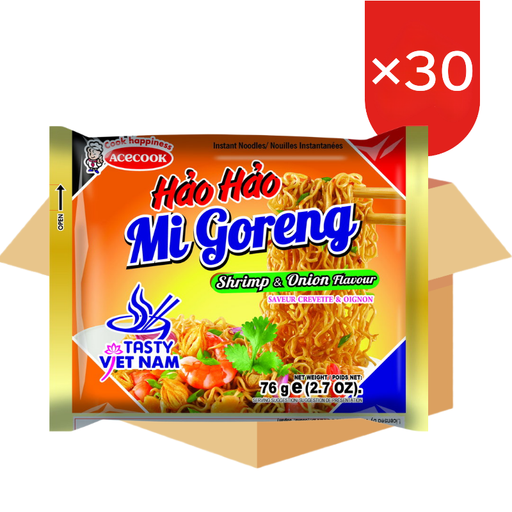
Why this fits the profile: A single-serving portion for busy days, with a preparation time of around two to three minutes and a dry mi goreng style.
The packaging describes a fixed preparation step: boil, drain and then mix with the sauce, oil and seasoning. So you know exactly what’s needed.
76 g per portion, with prawn powder, fried shallot and dried spring onion. Contains wheat, soya and crustaceans.
We’ve put together a full, up-to-date list of products that fully meet these strict selection criteria and comply with current European safety regulations.
Instant noodles are practical because of their short preparation time. Dumplings can also be used as a meal, but usually require a pan or other cooking appliance. Always check the preparation instructions and the allergens before making your choice.
Store dry snacks such as crackers, crisps and dough snacks in a cool, dry place. Seal the pack tightly and ideally consume the product within a few days for better crunchiness. Store frozen products at -18 °C or lower and do not refreeze them once they have been defrosted.
No. The range varies from mild Chinese snacks with spring onion to spicy Korean onion rings and prawn crackers. Look for words like “hot”, “spicy” or “chilli” on the packaging and check the ingredients list if you are sensitive to spicy flavours.
