
Vandaag of morgen in huis

Kwaliteit gegarandeerd

Welkomstaanbiedingen ontgrendelen: GRATIS bezorging | Tot 80% korting | Gratis 30 dagen JoyPlus-proefperiode
Download de app
Soft buns, filled cakes, Japanese snacks and individually wrapped biscuits are popular for breakfast, as a quick bite or as a snack on the go. However, eye-catching packaging doesn’t always tell you enough about portion size, ingredients or storage. If you’re buying Asian snacks online, it’s worth comparing the product information.
A 300 or 400 gram pack may seem attractively priced. So check how many individual portions it contains and how much one bun or cake weighs. A family pack is handy for sharing, while individually wrapped snacks are better suited to the office, school or eating on the go.
Flavour names often describe the intended taste, not necessarily the amount of that ingredient. So check the ingredients list and the quantitative ingredient declaration. For example, Pan Pan’s soft milk bread lists 38% wheat flour, 1% egg and 0.7% whole milk powder. This gives you a clearer idea than the name “milk flavour” alone.
Soft buns and cakes may contain ingredients such as syrup, humectants, emulsifiers or preservatives. That doesn’t automatically make a product good or bad, but it’s a good reason to check the storage instructions and best-before date. Some products can be stored at room temperature; others, such as Sakuraseika Hokkaido Milk Cake, need to be kept chilled according to the product information.
For everyday use, portions of around 85 to 95 grams are practical. They’re easy to take with you and ready to eat once opened. A larger pack may be more suitable for sharing with family or friends, such as Pan Pan Soft Bread at 400 grams or Jeff Milk Cookies at 298 grams.
Also consider how the product is packaged:
Wheat, milk, egg, soya and sesame are commonly found in Asian bread, biscuits and cakes. Always check the current label on the packaging, especially if you have an allergy or food intolerance. Some products also carry a warning about sweeteners or possible traces of other ingredients.
A flavour such as matcha bread may also contain red bean filling, milk, egg and soya, for example. The flavour name alone doesn’t give you the full picture.
Compare the nutritional values per 100 grams, not just per pack. A sweet bun often contains carbohydrates and sugars, while filled cakes can also be relatively high in fat. This makes them suitable as a treat or a quick bite, but portion size still matters.
For breakfast, you could choose a bun that can be lightly toasted. For travel or a busy working day, snacks on the go in individual packaging are more convenient. For products with a filling, also check whether they need to be eaten soon after opening.
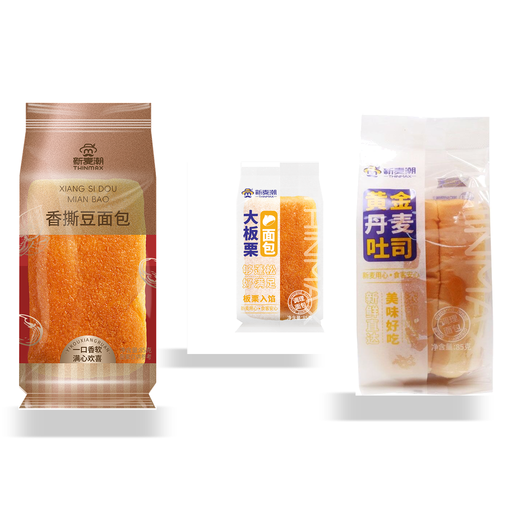
Why it suits this shopper: The set contains three different 85 gram buns: Danish toast, chestnut bread and bread with red bean filling. That makes it easy to compare them without buying several large packs straight away.
The portions and flavours are clearly described. You can see the total quantity of 255 grams upfront, and you won’t end up with a large pack containing just one flavour.
Three individually wrapped buns, ready to eat and suitable for breakfast, a break or the office.
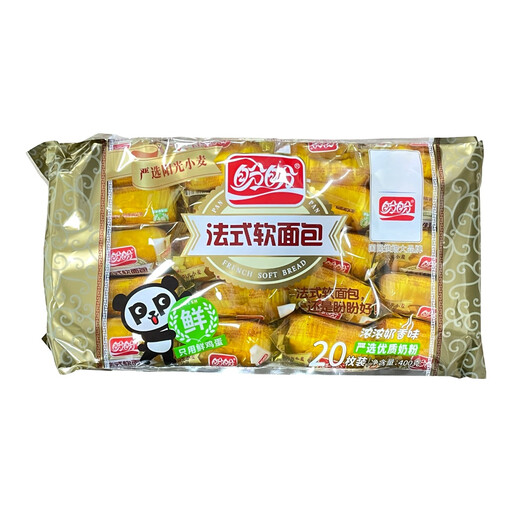
Why it suits this shopper: According to the product description, this soft bread is intended for breakfast, teatime and sharing. The 400 gram pack is a good fit for households that serve buns regularly.
The product information clearly lists the ingredients and allergens, including wheat, egg and milk. This helps you choose a flavour that better suits your household.
400 grams, a soft texture and a stated whole milk powder content of 0.7%.
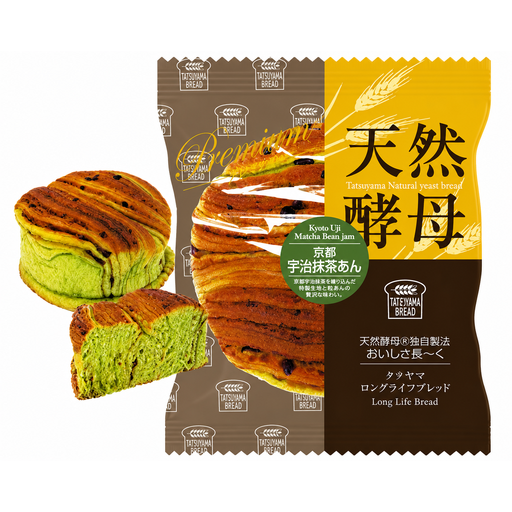
Why it suits this shopper: According to the product description, this Japanese bun combines Uji matcha with sweet red bean filling. Its individual packaging makes it handy for a break, train journey or working day.
The pack contains one portion, and the ingredients list includes wheat, egg, milk and soya. Check this in advance if you have allergies.
95 grams per bun, ready to eat, with a combination of matcha and red bean flavours.
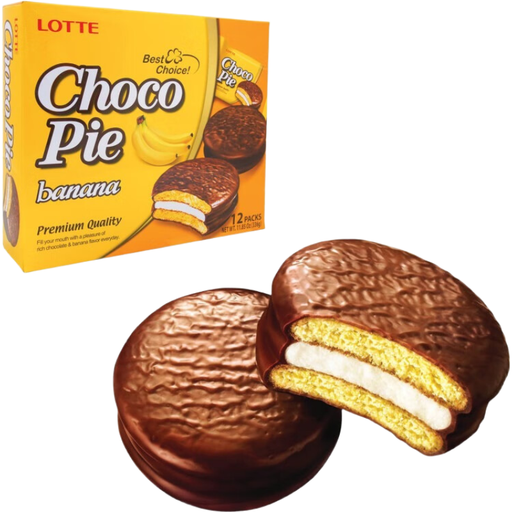
Why it suits this shopper: Twelve individually wrapped cakes are handy for visitors, lunchboxes, parties or a cupboard where several people help themselves.
The total quantity and number of portions are clearly stated. This makes it easier to estimate the price and how much you’ll have in stock than with an unportioned cake.
12 individually wrapped Chocopie cakes with banana flavour, a chocolate coating and a soft filling.
We’ve put together a complete, up-to-date list of products that meet these strict selection criteria and the applicable European safety regulations.
Individually wrapped buns, biscuits and cakes are the most practical. Look for sturdy packaging, a clearly marked best-before date and storage instructions. Products such as Natural Yeast Bread Maple, Uji Matcha and Lotte Chocopie Banana are individually portioned. Take extra care in warm weather if the packaging says to store the product in a cool place or keep it chilled.
It varies by product and packaging. Always check the date and storage instructions on the label. If instructed, store bread and cakes in a cool, dry place away from direct sunlight. Once opened, they may not keep for as long; some assorted sets advise keeping leftovers chilled and eating them soon.
First compare the portion size, ingredients, allergens and nutritional values. For Asian biscuits, cakes and pastries, also check for fillings such as milk cream, chocolate, chestnut, red bean or sesame. If you want to try different flavours, you could start with a set or several smaller, individually wrapped portions rather than one large pack.
