
Vandaag of morgen in huis

Kwaliteit gegarandeerd

Welkomstaanbiedingen ontgrendelen: GRATIS bezorging | Tot 80% korting | Gratis 30 dagen JoyPlus-proefperiode
Download de app
Asian snacks come in many forms: from Chinese snacks and Korean snacks to Japanese snacks, seaweed snacks and spicy konjac strips. The difference isn’t just about flavour. Salt content, portion size, allergens and shelf life all determine whether a product is right for you.
If you focus only on eye-catching packaging or a term like “light”, you could end up with something less suitable. These checkpoints will help you compare Asian snacks more practically and avoid a bad buy.
A low energy value per 100g doesn’t always tell the full story. Always check the actual portion size and total weight. A product with several small sachets can be handy for portion control, whereas a large bag is more likely to be left open.
Also pay attention to the difference between calories and salt. Pickled vegetables can be low in calories but relatively high in salt. For example, the Wujiang Light Preserved Mustard Tuber lists 24 kcal and 7.0g of salt per 100g. That makes it light in energy, but not automatically suitable for eating in large quantities.
Spicy snacks can vary enormously. Wasabi gives a short, sharp kick; Sichuan pepper creates a numbing, aromatic sensation; pickled chilli offers both sourness and heat. So look at the ingredients, not just the front of the packet.
The WEILONG Konjac Snack Spicy Flavor lists chilli and Sichuan pepper among its ingredients, pointing to a Sichuan-style flavour profile. The Be&Cheery pickled bamboo shoots, on the other hand, combine sour, sweet and chilli.
Asian snacks may contain soya, sesame, mustard, wheat or sulphites. Always check the actual packaging, especially for products bought online. Product information can change, and the packaging may contain more detail than a webpage.
Storage advice also varies after opening. Pickled vegetables often need to be refrigerated. Crispy products like seaweed snacks and vegetable chips lose their texture more quickly if moisture gets into the packaging.
Use the nutrition table to compare products fairly. For pickled vegetables such as sweet-and-sour radish, pickled mustard tuber and kimchi, salt and sugar are the most relevant factors. For crisps and crunchy snacks, energy and fat are usually more important.
Some examples from product information:
These figures describe the composition per 100g; they are not personal dietary advice.
If you need to avoid soya, sesame, gluten or mustard, it’s worth reading the full ingredients list. The konjac snack with sesame paste contains soya, sesame and wheat among other things. The Wujiang and Panda Brand preserved mustard tuber contain mustard as an allergen. The Bibigo seaweed snack with sesame contains sesame.
Also look out for additives, sweeteners and preservatives. The product information for Wujiang lists E621, E635 and sucralose, for example. That’s verifiable label information, but whether it’s suitable depends on your own preferences and diet.
A multipack with individual sachets is practical for work, school or on the go. The Yan Jin Pu Zi MOWON Konjac Snack comes in 20 portions of 18g with a total weight of 360g, making it easier to take a measured amount with you.
Pickled vegetables are often more versatile than ordinary snacks. You can serve pickled mustard tuber, sweet-and-sour radish and pickled bamboo shoots straight away, but also use them as rice and noodle toppings, with congee or in a stir-fry.
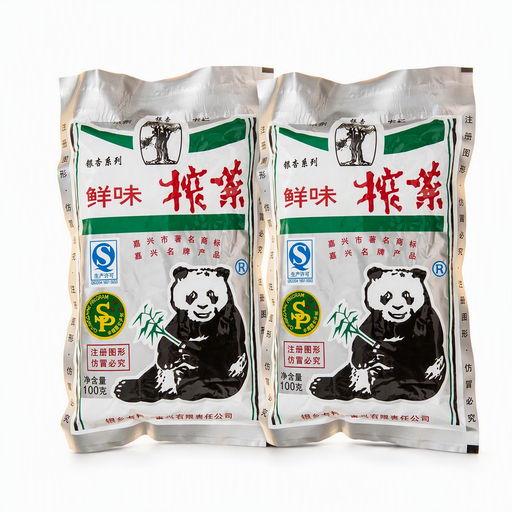
Why it fits this profile: The double pack is practical if you often serve pickled mustard tuber with rice, noodles or porridge. The flavour is savoury and the strips are ready to use straight away.
The nutritional information states 25 kcal and 5g of salt per 100g. This allows you to compare the product more accurately rather than relying on the packaging alone.
100g ×2, ready to serve and suitable as a side dish or topping.

Why it fits this profile: These Korean seaweed snacks come in small packs and combine seaweed with sesame oil, rapeseed oil and salt. They suit anyone looking for a light, crispy snack with a clear ingredients list.
The portions are individually wrapped. Seal the pack well after opening, as seaweed quickly loses its crisp texture when exposed to moisture.
3 small packs and a short ingredients list; contains sesame.
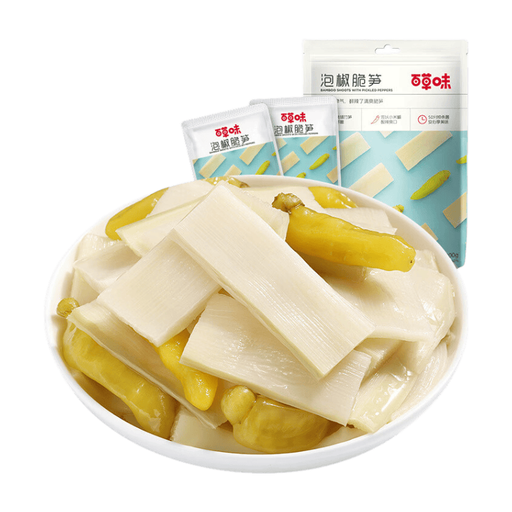
Why it fits this profile: The crunchy bamboo shoots are ideal for fans of sour, spicy and crispy flavours. You can eat them straight away or use them in rice dishes, noodles, soups and stir-fries.
The product information states 20 kcal and 2.8g of salt per 100g. Chilli, sulphites and preservatives are also explicitly listed, so you can check in advance whether it suits you.
200g, ready to use and suitable as both a snack and a flavour enhancer.
We’ve put together a full, up-to-date list of products that fully meet these strict selection criteria and comply with current European safety regulations.
Products such as konjac snacks and pickled bamboo shoots contain relatively few calories per 100g according to the stated nutritional values. However, do check the salt content, portion size and full ingredients list. “Low-calorie” says nothing about allergens or overall nutritional value.
Always follow the storage advice on the label. Pickled mustard tuber, radish, kimchi and bamboo shoots often need to be refrigerated after opening and consumed quickly. Use clean utensils and seal the packaging properly.
Chinese snacks include konjac snacks, pickled mustard tuber, spicy vegetable products and rice and noodle toppings. Korean snacks are often recognisable by seaweed, sesame, roasted flavours and fermented products like kimchi. The categories overlap, so it’s best to look at ingredients, flavour profile and how you plan to use them.
