
Vandaag of morgen in huis

Kwaliteit gegarandeerd

Welkomstaanbiedingen ontgrendelen: GRATIS bezorging | Tot 80% korting | Gratis 30 dagen JoyPlus-proefperiode
Download de app
Asian snacks come in many forms: from crunchy beans and spiced peanuts to chewy tofu snacks and Thai nibbles. That wide range makes choosing fun, but also tricky. An eye-catching packet tells you little about heat levels, portion size or allergens. If you only go by the flavour name or country of origin, you could end up with a snack that’s too salty, too sharp or awkwardly packaged.
With these practical selection tips, you can compare Chinese snacks, Thai snacks and other Asian nibbles on the features that really matter.
Words like spicy, mala, Tom Yum and chilli give you a direction, but they don’t always show how intense the flavour actually is. Sichuan pepper, for example, can create a tingling or numbing sensation in the mouth, while chilli mainly adds heat. Tom Yum usually refers to a combination of sour, aromatic and spicy.
So take a look at the ingredients list. If chilli, pepper or a spicy sauce appears near the top of the flavour components, the snack is likely to be more pronounced than a lightly seasoned version.
Marketing copy often highlights terms like “authentic”, “traditional” or “high protein”. Such descriptions are no substitute for verifiable information. Look out for:
According to the product description of some brands, for example, traditional preparation methods or selected ingredients are used. That’s a brand claim, not an independently verified quality mark.
A 75g bag is fine for one snacking session, but less practical for a larger gathering. Individually wrapped portions are handy for the office, on the go or for sharing among several people. A resealable bag helps keep the crunch after opening, provided you store the packet in a cool, dry place and seal it properly.
First, decide what you’re buying the snack for:
If you’re buying Asian snacks for a party, you can combine different profiles. For example, put a mild roasted peanut next to a spicy bean snack, so guests can alternate.
The base largely determines how the snack eats:
With tofu snacks, also check whether you’re after a soft, chewy texture or a crispy one. That difference matters more than the flavour name alone.
Compare nutritional values per 100g, not just per packet. In the range, portions vary from around 75g to 230g. That way you can better see which snack is suitable for individual use and which packet makes sense for a party.
Peanuts, soya, wheat and sesame are common in Asian snacks. Some products also contain fish, celery or liquorice. Always check the label on the packet, especially if you have an allergy or dietary requirement. The actual packaging is the deciding factor when information online and on the product differs.
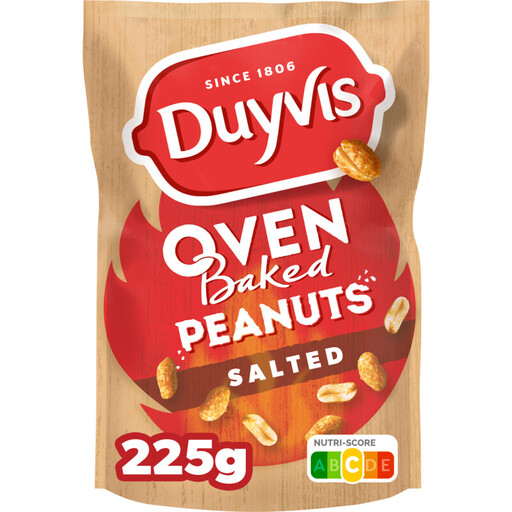
Why this fits the profile: An accessible choice for anyone wanting to start with Asian flavours and looking for a familiar, savoury crunch. According to the product information, the packet contains 225g and is suitable for sharing.
The flavour description and ingredients are straightforward, so you’re less reliant on an exotic flavour name. Do check the stated peanut allergen advice.
225g; 24g protein per 100g according to the product information; ready to eat.
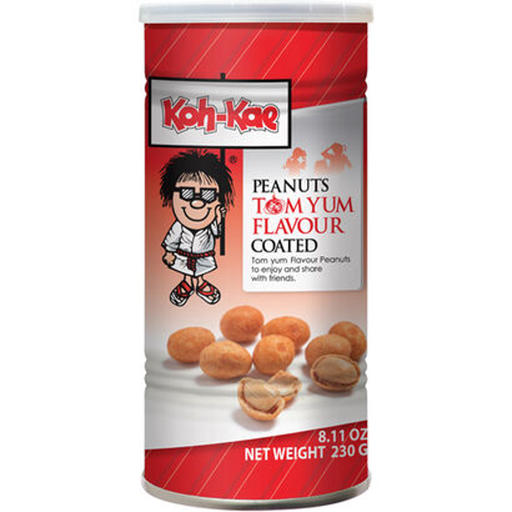
Why this fits the profile: For enthusiasts looking for a distinctive Thai combination. The product description mentions a crispy coating with notes of lemongrass, chilli and lime, making this snack stand out in a party assortment.
The flavour direction is clearly described. Because the snack may contain peanut, fish and wheat, it’s important to check the allergens on the packet.
230g; suitable for sharing; combination of peanuts and a spiced crispy coating.
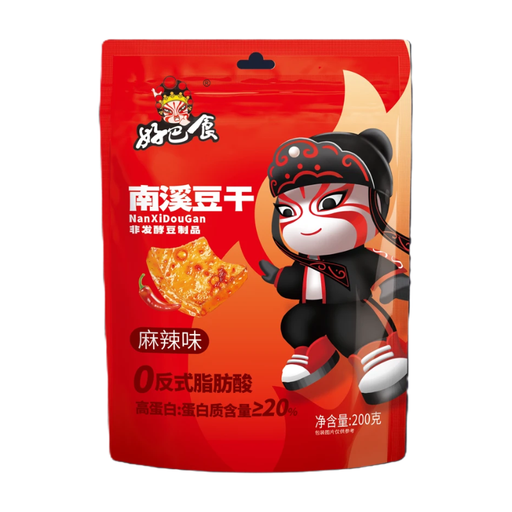
Why this fits the profile: This tofu snack is designed for anyone seeking a firm, chewy texture and a distinct Sichuan seasoning. The 200g bag suits multiple snacking sessions or a larger table.
The product information clearly states soya and wheat as allergens and gives storage instructions after opening. It also warns about liquorice in the ingredients.
200g; 20g protein per 100g according to the product information; ready to eat and seasoned with Sichuan pepper and chilli.
We’ve put together a full, up-to-date list of products that fully meet these strict selection criteria and comply with current European safety regulations.
Coated peanuts, roasted peanuts, broad bean snacks and crispy tofu rolls are practical for sharing. Ideally, choose several textures and heat levels. A mild snack alongside spicy ones makes the selection more accessible for different guests.
Store opened snacks according to the label in a cool, dry place, away from direct sunlight and moisture. Seal a bag tightly or use an airtight container. Chewy tofu snacks are often individually wrapped; opened portions are best consumed quickly.
No. Chinese snacks and Thai snacks range from lightly salted peanuts and coconut varieties to chilli and mala flavours. Check the flavour description and ingredients list. If in doubt, start with roasted peanuts or a mildly seasoned bean snack and then try a more intense version.
