
Vandaag of morgen in huis

Kwaliteit gegarandeerd

Welkomstaanbiedingen ontgrendelen: GRATIS bezorging | Tot 80% korting | Gratis 30 dagen JoyPlus-proefperiode
Download de app
When you want to buy Asian snacks online, there’s plenty of choice in the UK: from Japanese snacks and Korean nori to Thai coconut, Chinese dough twists and Indian nibbles. That variety is appealing, but product packaging can also be confusing. A striking flavour name, for example, doesn’t always tell you where something comes from, and a large pack sometimes contains mostly lots of small portions.
With this guide, you can compare snacks on points you can check: flavour profile, weight, ingredients, allergens, shelf life and when to eat them.
A snack with a Japanese, Thai or Korean flavour doesn’t have to come from that country. So always check the country of origin and the manufacturer on the product page or packaging. For example, Gusto Wasabi Corn Puffs have a wasabi flavour, but according to the product information they are made in Romania. That doesn’t make them any less suitable as a snack, but it is relevant information when you’re choosing.
Terms like “crispy”, “spicy” or “authentic flavour” mainly describe the brand’s positioning. Also look at the ingredients list. Pay attention to the order: ingredients listed first are usually present in larger amounts. Also check whether a product contains milk, wheat, soya, peanuts, sesame, egg or shellfish.
A multipack can be handy for a party, but a bag of 18.9 g is quite different from a jar of 250 g. Pay attention to the net weight, the number of portions and the portion size. Individually wrapped snacks are practical for on the go, while larger packs are better suited to a nibbles session at home.
First decide whether you’re looking for sweet snacks, savoury snacks or a combination.
With strongly pronounced flavours, such as durian or wasabi, a small pack is a practical way to try something new without ending up with lots of unused stock.
Always read the current packaging, because recipes and labels can change. The product information includes, for example, the following points to note:
A label like “vegetarian” doesn’t automatically mean a product is free from all allergens. If you have an allergy, always check the full ingredients list and allergen statement.
Most dry Asian snacks should be stored in a cool, dry place, away from sunlight and moisture. This is especially important for keeping that crunchy texture. Once opened, it’s best to seal the pack tightly; for some snacks, an airtight container is recommended.
When buying offers and larger packs, check the date on the packaging. The Chen Changyin Fried Dough Twists are labelled as near their best-before date. With this type of product, check the date and packaging extra carefully before you order.
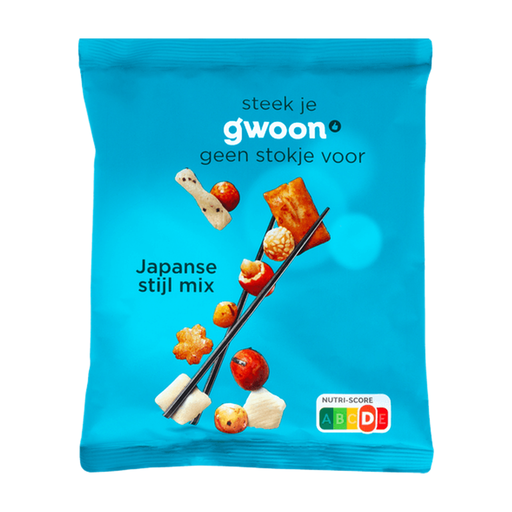
Why this fits the profile: The 250 g jar is suitable for sharing during a drinks session or for filling several snacking occasions. The mix combines peanuts, maize, sesame and seaweed, among other things.
The net weight and ingredients are clearly stated. So you can see what you’re buying beforehand, rather than just relying on the name “Japanese Mix”.
250 g; resealable jar made from 100% recycled material according to the product information; suitable for sharing.
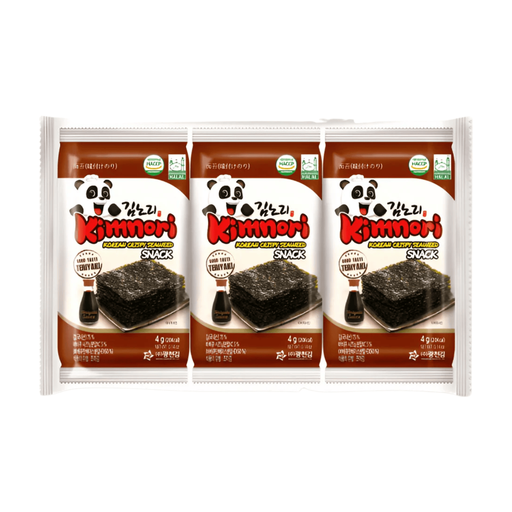
Why this fits the profile: The three individual 4 g sachets are designed for fresh opening and taking with you. The teriyaki seasoning gives a sweet-savoury flavour profile with umami.
The portion size prevents a large bag from staying open for a long time and losing its crispy texture.
3 x 4 g; individually wrapped; according to the product information, suitable as a snack or topping for rice, noodles, salad and soup.
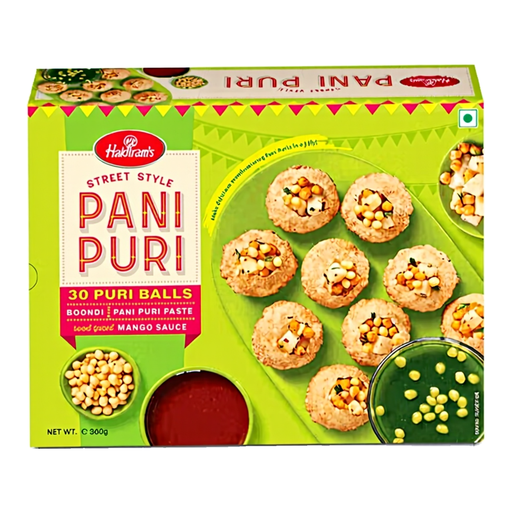
Why this fits the profile: This set is designed for a more elaborate snacking occasion. The pack contains puris, masala, pani, mango sauce and boondi for a self-assembled Indian dish.
The contents are listed concretely, so you’re not just buying a flavour promise but a complete set with multiple components.
360 g; multiple flavour components; suitable for parties and shared preparation.
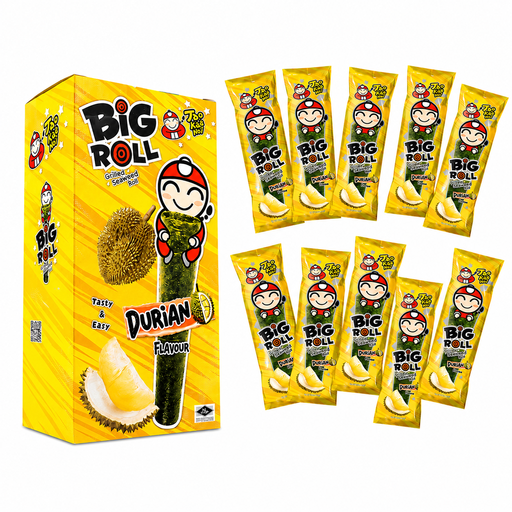
Why this fits the profile: The combination of roasted seaweed rolls and durian is clearly aimed at those wanting to try new Thai and Southeast Asian flavours.
The flavour is specifically named as durian and not just “tropical”. So you know beforehand that it’s a pronounced aroma.
Product from Thailand; 9 individually wrapped rolls; total weight 18.9 g; ready to eat.
We’ve put together a full, up-to-date list of products that fully meet these strict selection criteria and current European safety regulations.
Choose products with a larger net weight or multiple individual portions. The g’woon Japanese Mix at 250 g is practical for sharing. For an interactive snacking moment, the Haldiram’s Pani Puri set is a better fit, because several components are served together. Do check the allergens beforehand.
Store unopened packs in a cool, dry place away from direct sunlight. Seal opened bags tightly or use an airtight container. Small portions, such as the Kimnori seaweed sachets or the Taokaenoi rolls, help limit waste and loss of crunchiness.
Compare the net weight, the price per 100 g, the ingredients, allergens, origin and best-before date. Also note the difference between ready-to-eat snacks and products that still need to be prepared. That way, you can choose purposefully between Japanese snacks, Korean snacks, Thai snacks, Chinese snacks and Indian snacks, without just relying on flashy marketing terms.
