
Vandaag of morgen in huis

Kwaliteit gegarandeerd

Welkomstaanbiedingen ontgrendelen: GRATIS bezorging | Tot 80% korting | Gratis 30 dagen JoyPlus-proefperiode
Download de app
Asian snacks are popular with tea, at the office, while travelling or as a small gift. The range includes Chinese snacks and sachima, as well as Japanese snacks, mochi pastries, pineapple cake and soft cake snacks. With so much variety, comparing products is important. Attractive packaging alone tells you little about the flavour, portion size or whether a product suits your needs.
A product with less sugar is not automatically light or low in calories. For example, HSU FU CHI Sachima Reduced Sugar lists 3.2 grams of sugar per 100 grams, but also 490 kcal and 28.7 grams of fat per 100 grams. Always check the complete nutritional information rather than relying on a single claim on the front of the pack.
A 469 or 526-gram bag may look large, but it could contain several small packs. This is handy for sharing, but less suitable if you are looking for one small portion. Check:
Individually wrapped snacks are practical for work, school, travel and treats. A small box containing a few pastries may be a more sensible choice if you want to try different flavours.
Not every cake snack can simply be kept in the cupboard. Some products need to be refrigerated, while others can be stored in a cool, dry place. For example, Sakuraseika Hokkaido Milk Cake states that it must be kept chilled. Frozen puff pastry, such as Koopmans Puff Pastry Original, belongs in the freezer and must be thoroughly heated; it is not a ready-to-eat snack.
Always check the packaging when your order arrives. The best-before date, temperature instructions and allergen information on the label take precedence.
Wheat, gluten, egg, milk and soya are common in Asian pastries. Sesame may also be present, as in classic sachima from HSUFUCHI. Read the ingredients list if you are managing an allergy or intolerance. Also look out for compound ingredients such as fillings, milk powder, soya sauce or margarine.
Product information may vary between flavours. A pineapple cake, for example, may contain egg, milk and soya as well as wheat. Mochi pastries may also contain sweeteners such as maltitol. Bestore Baobao Mochi Pastry states that excessive consumption of maltitol may have a laxative effect.
The name does not always give you a complete picture of the texture:
If you mainly want sweet snacks, you could choose banana, milk, chocolate or fruit flavours. For a more savoury occasion, meat floss cake and meat floss buns are options filled with chicken or pork. Always check the ingredients and origin of meat products.
Small portions are often convenient with tea. A box of eight pineapple cakes or several sachima portions is suitable for sharing. An individually wrapped cake is easier to put in your bag for eating on the go. A larger pack may offer better value for a household or party table, but check how long it will keep once opened.
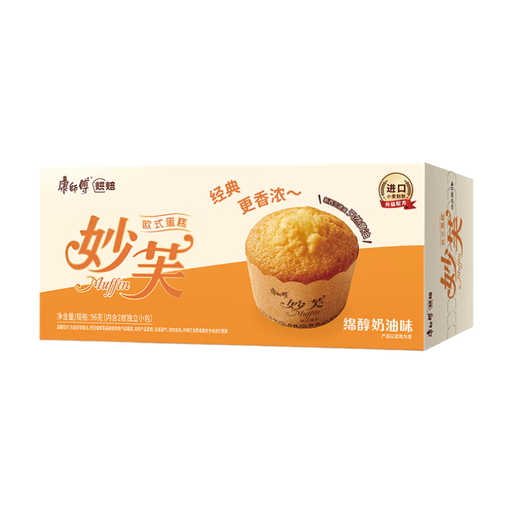
Why it suits this profile: A compact 96-gram cake for anyone who wants to try an accessible Chinese snack without buying a large stock. According to the product information, the cake is ready to eat and suitable for breakfast or with tea.
The weight and nutritional information are clearly stated. This means you can see in advance that 96 grams is a small pack and that the cake contains 18 grams of sugar per 100 grams.
96 g pack; wheat and egg listed as allergens; ready to eat.
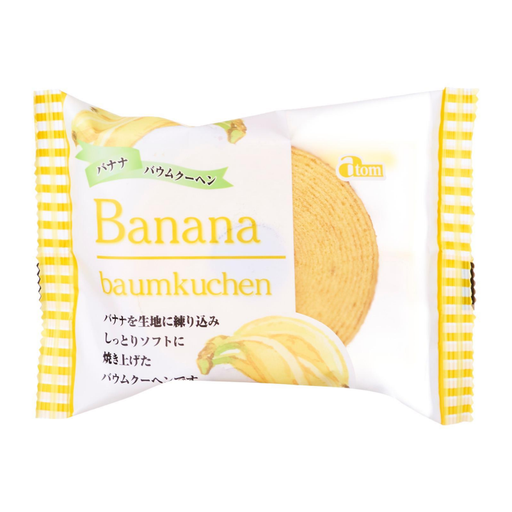
Why it suits this profile: Ideal for fans of Japanese snacks who appreciate delicate layers, a soft texture and a distinctive fruit flavour. The 80-gram portion is a manageable size for one snacking occasion.
The product information lists the weight, ingredients and allergens. This lets you compare the soft baumkuchen with other cake snacks instead of judging it by the packaging alone.
80 g individually wrapped; soft layered texture; banana flavour; wheat, egg and milk listed.

Why it suits this profile: The box contains eight individual sachets, making it well suited to tea parties, office treats or a household where snacks are regularly shared.
The portioning means you do not have to open the whole pack at once. However, you should assess the claim of 26% less sugar alongside the complete nutritional information.
184 g with 8 sachets; 22% pineapple pulp according to the product information; wheat, soya, egg and milk listed as allergens.
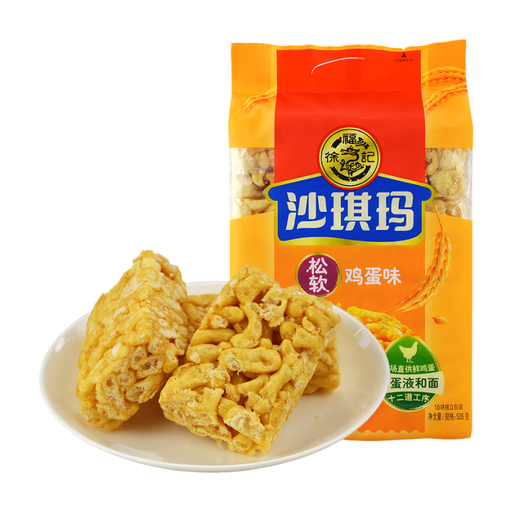
Why it suits this profile: A larger pack for households and fans of soft sachima with a pronounced egg aroma, whether for breakfast or with tea.
The ingredients list states 14% egg, while the packaging indicates traces of wheat, egg, milk and sesame. This makes it easier to compare with reduced-sugar sachima.
526 g pack; 14% egg according to the quantitative ingredient declaration; ready to eat.
We have put together a complete, up-to-date list of products that fully meet these strict selection criteria and the applicable European safety regulations.
Sachima, pineapple cake, baumkuchen and small mochi pastries are practical choices with tea. Choose individually wrapped snacks if you want to share them or take them with you. Check the flavour, allergens and preferred texture beforehand.
Always follow the instructions on the packaging. Many Chinese pastries and cake snacks can be stored in a cool, dry place. Some Japanese cake products need to be refrigerated. Seal opened packs securely and check the best-before date.
That depends on your preferences and portion size. Soft cakes, sachima and meat floss cake can be eaten straight away, but their nutritional values vary considerably. Compare the energy, sugar, fat and salt per 100 grams before choosing a product for regular consumption.
