
Vandaag of morgen in huis

Kwaliteit gegarandeerd

Welkomstaanbiedingen ontgrendelen: GRATIS bezorging | Tot 80% korting | Gratis 30 dagen JoyPlus-proefperiode
Download de app
Asian snacks come in many forms: from soft mochi and Chinese pastries to savoury scallion pancakes and filled mooncakes. This wide range makes choosing fun, but also tricky. A pretty gift box, for example, tells you little about the taste, while a bulk pack isn’t always practical for a small household.
When buying, watch out for three common pitfalls:
For immediate use, mochi, dorayaki, pineapple cake and meat floss cake are practical. These sweet Asian snacks can usually be eaten at room temperature. Do check the instructions after opening. For example, the product information for the Bestore Mochi Gift Box advises sealing opened mochi tightly and consuming within 24 hours for a soft texture.
Frozen products require more planning. The Changlisheng Shanghai Scallion Pancake (450 g) must be stored at -18 °C or below. According to the instructions, the pancake can be fried straight from the freezer or cooked in the oven. The same applies to the Wu Fang Zhai mooncakes with pork filling: they must be heated through until piping hot and fully cooked.
The quantity tells you something about when to use it, but not on its own about quality. A small box of four pieces is suitable for a gift or tasting. A 2.5 kg pack is better for an office, party or large household.
For filled products, look at the quantitative ingredient declaration. According to the product information, the Hsu Fuchi Pineapple Cake contains 13% pineapple filling, alongside winter melon filling. The Wu Fang Zhai Original Pork Fresh Meat Mooncakes state 40% pork. These percentages help you compare products more fairly.
Many Chinese snacks and Japanese snacks contain wheat flour. Other common allergens include soya, milk, egg, sesame, cashew and sulphites. The Bestore mochi, for instance, contains sesame, while the Hsu Fuchi pineapple cake contains wheat, egg and milk.
Nutritional values are especially useful when comparing portions. The Bestore mochi contains around 104 to 105 kcal per 30 g piece, depending on the flavour. The matcha, sesame and mango varieties also differ in sugar and fat content. Use the information on the packaging as your up-to-date source, as composition and labelling can change.

Why this fits the profile: The box contains 12 individually wrapped mochi in three flavours: matcha, sesame and mango. This makes it easy to try mochi without buying multiple packs.
The individual portions prevent the whole box from drying out quickly. The product information also clearly states that the mochi is ready to eat and should not be stored in the fridge.
360 g total weight, three flavours and shelf-stable storage below 25 °C according to the product description.
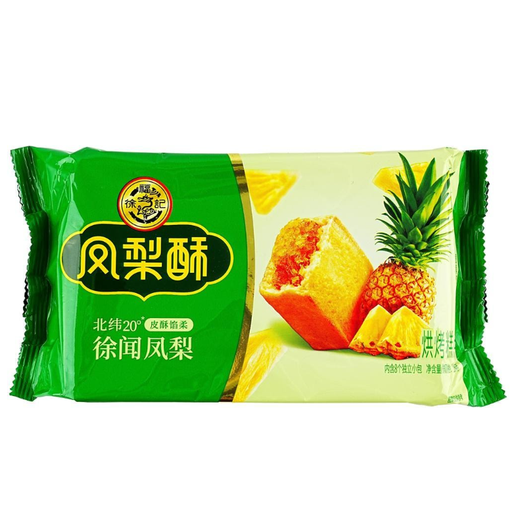
Why this fits the profile: These Chinese pastries are ideal for a quiet snack with tea or coffee. The product description mentions a crispy crust and pineapple-winter melon filling.
The label lists the ingredients, allergens and the proportion of pineapple filling. This makes it clear that the filling isn’t made solely from pineapple.
184 g, ready to eat and can be stored in a cool, dry place. Contains 13% pineapple filling according to the product specification.
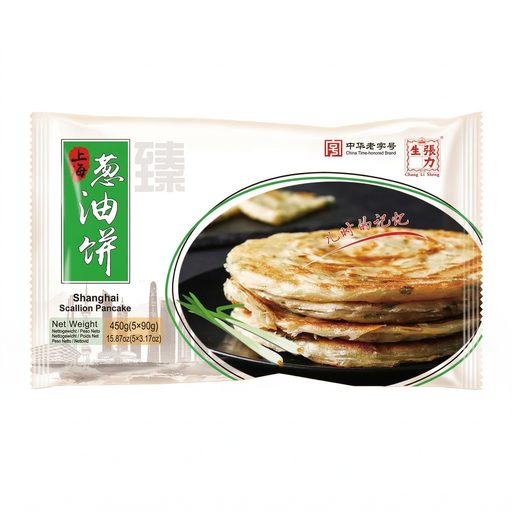
Why this fits the profile: This savoury Asian snack is handy for breakfast, lunch or a quick bite. Individually wrapped frozen dough can be cooked one portion at a time.
The cooking instructions are specific: 3 to 4 minutes per side in a pan, or 8 to 10 minutes in an oven at 200 °C. No guesswork needed.
450 g, store at -18 °C or below and suitable for pan or oven. Contains wheat, so not suitable for a gluten-free diet.
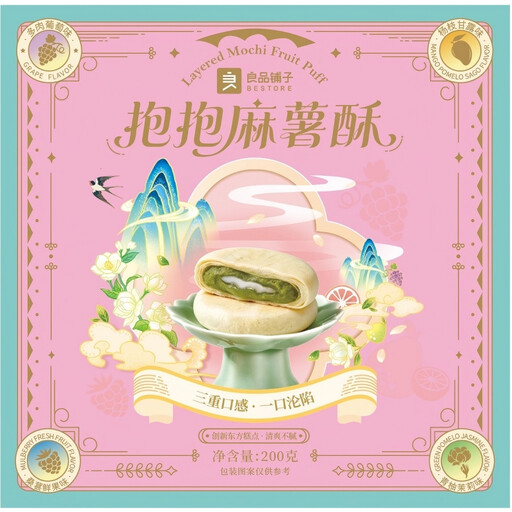
Why this fits the profile: The box contains four individually wrapped pastries with fruity flavours such as mango-pomelo, pomelo-jasmine, grape and mulberry.
The packaging and portion size are clearly described: four pieces of 50 g each. Do check the allergens: wheat, soya and milk are listed.
Ready to eat, ideal for tea-time snacks and comes in a gift box.
We’ve put together a full, up-to-date list of products that fully meet these strict selection criteria and comply with current European safety regulations.
Mochi, dorayaki, pineapple cake, sesame wafers and meat floss cake are practical choices. Choose individually wrapped products when you want to enjoy a quiet tasting or share a pack. With meat floss cake, do note the savoury flavour and check for allergens such as wheat and soya.
Always follow the label. Many shelf-stable mochi and pastries should be kept in a cool, dry place away from direct sunlight. Refrigeration can change the texture. Frozen products, such as scallion pancakes and some mooncakes, must be stored at -18 °C or below and must not be refrozen after thawing.
Yes, especially a box with multiple flavours or an Asian gift set. Before buying, check the shelf life, the condition of the packaging and the allergens. For recipients who aren’t familiar with Asian flavours, an assortment with both sweet and savoury options is a practical choice.
