
Vandaag of morgen in huis

Kwaliteit gegarandeerd

Welkomstaanbiedingen ontgrendelen: GRATIS bezorging | Tot 80% korting | Gratis 30 dagen JoyPlus-proefperiode
Download de app
Asian snacks come in all shapes and sizes: from Japanese biscuits and mochi to Chinese snacks, dorayaki, bao buns and frozen dim sum. That wide choice makes picking fun, but also tricky. A packet can look small, while the contents are mostly air. A product might be presented as authentic, yet have a different origin. And with frozen snacks, the storage method is just as important as the flavour.
With this guide, you can compare Asian sweets and savoury bakery items on practical points. That way, you’ll quickly see which snack suits your moment: with tea, on the go, for a film night or as a quick bite from the steamer.
“Japanese-inspired” doesn’t always mean a product was made in Japan. For example, the Yuki & Love Dorayaki comes from Taiwan, even though the snack style originates from Japan. The Atom Japanese Banana Baum Cake is also described as a Japanese cake, but the product information doesn’t list Japan as the country of origin.
So always check:
This prevents wrong expectations about flavour, texture and preparation method.
Individually wrapped snacks are handy for a lunchbox or on the go, but the number of pieces and the net weight determine the real value. A pack of 40 or 50 grams works as a small portion, while a bag of 180 or 200 grams is better for sharing or several eating occasions.
Also pay attention to the nutritional values per 100 grams. That figure makes products comparable. The values on the label aren’t personal dietary advice, but they do help you see differences in sugar, fat, salt and energy.
Bao buns, steamed buns and glutinous rice balls aren’t always ready to eat. Frozen dim sum usually needs to be prepared straight from the freezer. Thawing can affect the texture, and some products must not be refrozen after defrosting.
Check before you buy:
Many Japanese snacks, Chinese snacks and Asian bakery products contain wheat, egg, milk, soya, sesame, peanuts or nuts. For example, Cha Sieuw Bao lists wheat, soya and sesame. The Chinatown glutinous rice balls with peanut and sesame also explicitly contain peanut.
Don’t just read the front of the pack. Check the allergen information and look out for statements like “may contain traces”. For anyone with an allergy, the label on the delivered packaging is the deciding factor, because the composition or packaging can change.
The preparation method says a lot about the final texture:
A snack that’s meant to be “soft” shouldn’t be treated like a crunchy biscuit. The right preparation prevents a dry outside or a filling that’s too firm.
Small packs like the Tokimeki Panda Cookie Biscuit at 40 grams are practical for on the go, school or work. A box with three pieces of cake makes more sense for a tea moment with several people. For a savoury meal or a freezer stash, packs of 270 to 500 grams are more convenient.
Also look at the shelf life and storage space. Dry snacks take up little room, while bao buns, mochi with soft filling and frozen dim sum have different storage needs.
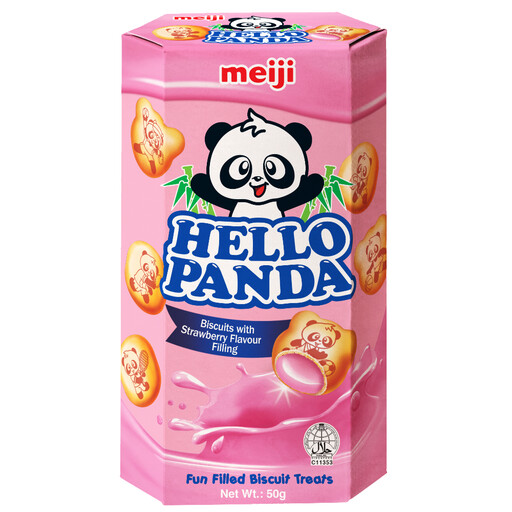
Why this fits the profile: The 50g pack is straightforward and ideal for trying a flavour first or taking with you on the go.
The net weight and product type are clearly stated. The snack is ready to eat and requires no freezer space or preparation.
Crunchy biscuit with strawberry-flavoured filling, 50g per pack and origin Japan according to the product information.
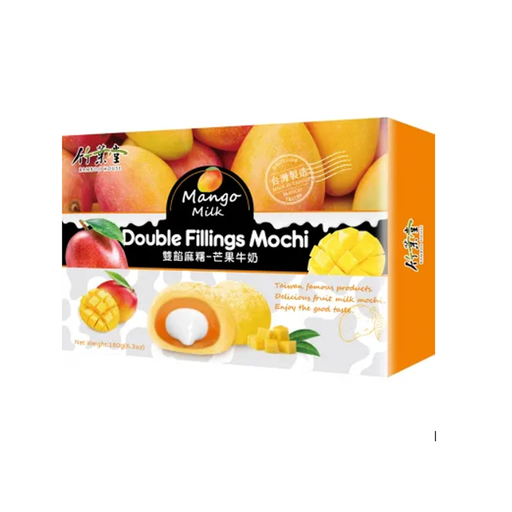
Why this fits the profile: This mochi is individually wrapped and, according to the product description, has a double filling of mango and milk.
The product information states the weight, origin Taiwan, the ingredients and storage at room temperature.
180g, individual wrapping and a soft glutinous rice texture with mango and milk components.

Why this fits the profile: If you regularly serve dim sum, this frozen bao offers a savoury option that can be prepared in the steamer.
The preparation instructions are clear: steam for 8 to 10 minutes from frozen. So it’s obvious from the start that this isn’t a ready-to-eat snack.
270g, steamed bun with pork filling and store at -18 °C or lower.
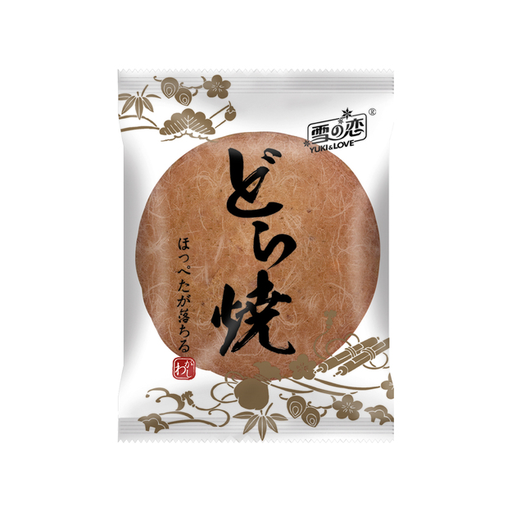
Why this fits the profile: A 55g portion works well with coffee or tea and lets you try a well-known Japanese sweet without buying a large supply.
The product page clearly states the red bean filling, the 55g weight and the origin Taiwan.
Soft cake with 32% red bean paste according to the product description, ready to eat and individually wrapped.
We’ve put together a full, up-to-date list of products that fully meet these strict selection criteria and comply with current European safety regulations.
Start with ready-to-eat products in small packs, such as Pocky, Hello Panda, dorayaki or Japanese cake. That way you don’t need any special preparation method and you can first discover which textures and flavours you enjoy. Always check allergens and ingredients though.
Store bao buns, custard buns and other frozen dim sum at -18 °C or lower. Only prepare the amount you need and follow the instructions on the pack. Some products must be steamed from frozen and must not be refrozen after thawing.
Mochi is usually a soft, sweet snack made from glutinous rice flour with a filling, often intended to be eaten straight away. Chinese glutinous rice balls are typically sold frozen and need to be cooked in boiling water. They’re ready when they float to the surface, but always check the specific instructions on the pack.
