
Vandaag of morgen in huis

Kwaliteit gegarandeerd

Welkomstaanbiedingen ontgrendelen: GRATIS bezorging | Tot 80% korting | Gratis 30 dagen JoyPlus-proefperiode
Download de app
Asian snacks offer so much more than your standard crisps. Think Chinese snacks with Sichuan pepper, Korean snacks with chocolate, chewy konjac snacks, tofu snacks and multipacks perfect for sharing. At the same time, it can be tricky to make the right choice based on an eye-catching packet alone. Is the snack genuinely spicy? Does it fit your diet? How many portions do you actually get, and what allergens are inside?
This guide will help you compare Chinese snacks, Korean snacks, Asian crisps and vegetarian snacks using verifiable product information.
A bag or box might look big, but the contents could be made up of small individual packets. That’s handy for on the go, but less of a bargain if you’re after one large portion. Always check the net weight, the number of sachets and the weight per sachet.
For example, a box of Wei Long Konjac Crunchy Snack contains 360 grams, split into 20 portions of 18 grams. The Lay’s Doritos Cheetos Mega Box contains 20 individual snacks with varying weights. These are two very different formats, despite looking similar as a multipack.
Spicy snacks can vary enormously. Chilli, Sichuan pepper, garlic, sesame and sweet spices each give a different flavour profile. According to the product description, the Wei Long konjac snack includes chilli, ginger, spring onion, garlic and Sichuan pepper. A product with sweet red chilli, like Lay’s Max Red Sweet Chilli, has a much sweeter seasoning instead.
So look at the ingredients list rather than just relying on words like “hot”, “spicy” or “intense”.
A snack made from konjac, soya or potato isn’t automatically suitable for every dietary preference. Check the allergens and the full ingredients list. Some products contain soya, wheat, milk, mustard or sesame, for example.
Terms like “baked” mainly describe the cooking method. Yan Jin Pu Zi O’Potato states that the crisps are baked and contain 24 grams of fat per 100 grams. That’s a verifiable product specification, not a general guarantee about the product’s nutritional value.
For snacks on the go, individual sachets are practical. They stay fresher when unopened and you can easily take them to the office, school or a picnic. For a film night or party, a larger bag is often more convenient.
Look out for:
Ingredients are usually listed in descending order of quantity. When checking Chinese snacks and tofu or konjac products, look out for:
If you have an allergy or food intolerance, the packet is your guide. Recipes and labels can change.
The nutrition table makes products easier to compare. Don’t just look at calories – also check fat, saturated fat, sugar and salt. The values are usually given per 100 grams, even though you’ll actually eat a sachet of a different weight.
Examples from the range:
These figures help with comparison, but they don’t tell you about personal suitability or the overall quality of a product.
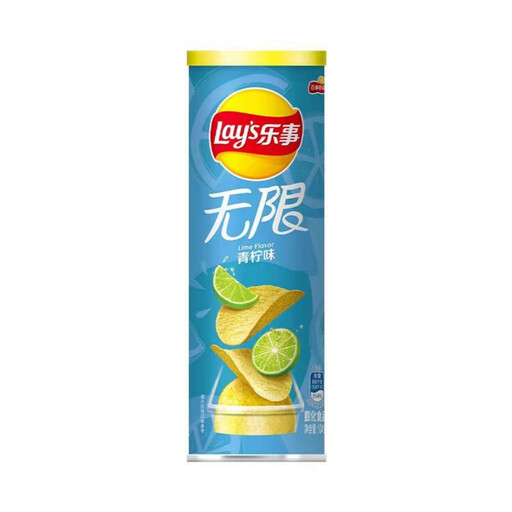
Why this fits the profile: A single 90-gram bag is straightforward for anyone wanting to try Asian crisps without buying a multipack straight away. According to the product description, the lime seasoning combines a zesty citrus note with a savoury flavour.
The net weight is clearly stated and the ingredients list includes wheat and soya, so you can see upfront that this isn’t an allergen-free choice.
90 grams; crunchy potato crisps; clear nutritional information per 100 grams.
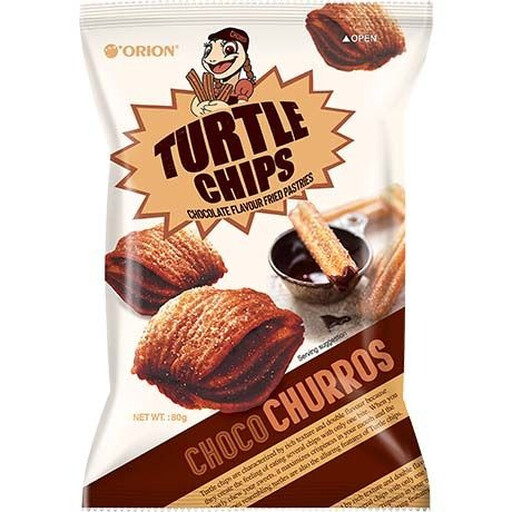
Why this fits the profile: This Korean snack is ideal for anyone after a sweet option with a striking texture. According to the product description, the snack has four layers and combines chocolate, churros and cinnamon.
The flavour and allergens are clearly described: the product contains wheat, soya and milk, among other things. This avoids confusion over the term “Korean snack”.
80 grams; four-layer structure according to the product description; pairs well with coffee, cocoa or milk.

Why this fits the profile: The box contains 20 individually wrapped portions of 18 grams each. That makes this spicy snack ideal for sharing, stocking up at home or taking to work.
The portion size and total weight are clear upfront. The ingredients list includes 6% konjac flour and the allergens soya and wheat.
360 grams total; 20 individual packets; 114 kcal and 3.2 grams of salt per 100 grams according to the product information.
We’ve put together a full, up-to-date list of products that fully meet these strict selection criteria and comply with current European safety regulations.
For an Asian snack box, you can combine different textures. Think about:
Choose individual packets or a small bag that you can easily reseal. Konjac snacks of 18 grams per portion, tofu snacks and crisps of 62 to 90 grams are practical sizes. Check beforehand whether the packaging needs protecting from heat and moisture.
That depends on the specific product. The Wei Long Konjac Crunchy Snack is described as vegetarian, but it does contain soya and wheat. Always check the current ingredients list and allergen information on the packet.
Unopened snacks stay fresh until the date on the packet when stored according to the storage advice. Once opened, you should seal the packet properly and consume the product quickly as per the instructions. Individually wrapped snacks generally keep their sealed portions better than one opened large bag.
