
Vandaag of morgen in huis

Kwaliteit gegarandeerd

Welkomstaanbiedingen ontgrendelen: GRATIS bezorging | Tot 80% korting | Gratis 30 dagen JoyPlus-proefperiode
Download de app
Asian snacks come in many forms: from Chinese snacks with Sichuan pepper to Korean topokki, Japanese seaweed snacks and multipacks of crisps. This wide range makes choosing fun, but also confusing. An eye-catching packet doesn't always tell you about flavour, portion size or whether it's suitable for eating on the go.
Watch out for these common pitfalls:
Always check the bold allergens on the packaging. Many Chinese snacks and vegetarian snacks contain soya, wheat and sesame. Tofu and konjac snacks often include soya sauce or soya protein. Even crisps can have milk derivatives, soya or gluten in the seasoning mix.
A product description on a website may change or contain less information than the packaging. So use the label as your final check, especially if you have an allergy, food intolerance or specific dietary requirement.
For a snack box, student household or party, individually wrapped snacks are practical. They stay sealed until you're ready to eat them and are easy to hand out. For one person, a bag of 50 to 100 grams can be more convenient.
Look out for the difference between:
Many ready-to-eat snacks can be eaten straight from the packet. This applies, for example, to dried tofu, konjac, seaweed and some spicy snacks. Other products need preparation. According to the product information, Freshasia Mini Fried Dough Sticks are a frozen product and need to be heated for 1 to 2 minutes in boiling hotpot broth or soup. Do not eat raw products containing flour without cooking them fully.
Also consider:
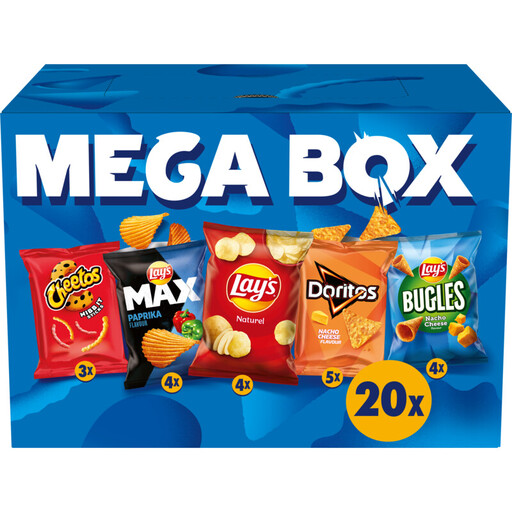
Why this fits the profile: An easy-entry snack box with 20 small bags and several familiar flavour directions, such as paprika, plain and cheese.
The number of bags and the flavours mentioned are clearly described. This means you can estimate the portions and variety in advance.
20 individual packets; suitable for sharing, lunchboxes and film nights.

Why this fits the profile: For fans of a distinctive Sichuan style, a chewy-crunchy texture and lots of small portions.
The box contains 20 portions of 18 grams. This means you don't have to open a large bag all at once.
360 grams total; individually wrapped; ready to eat straight away; according to the product information it contains 6% konjac flour.
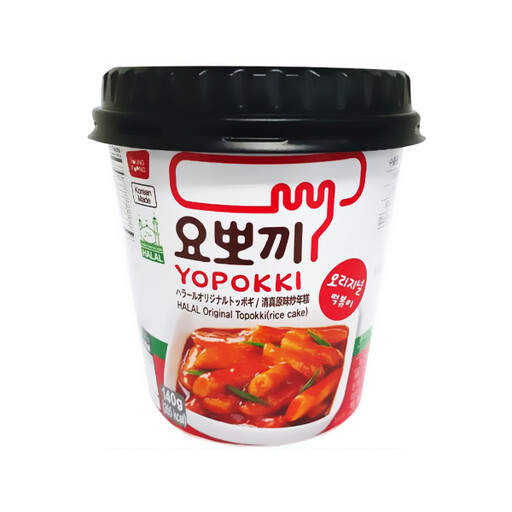
Why this fits the profile: A Korean snack for those who want more than crisps and fancy preparing a warm portion of topokki at home or in the office.
The 140-gram portion and the method of preparation are clearly stated. This stops you from choosing a product for on the go that actually needs cooking.
140 grams per cup; rice cakes make up 71.43% of the product; suitable as a warm snack or small meal.
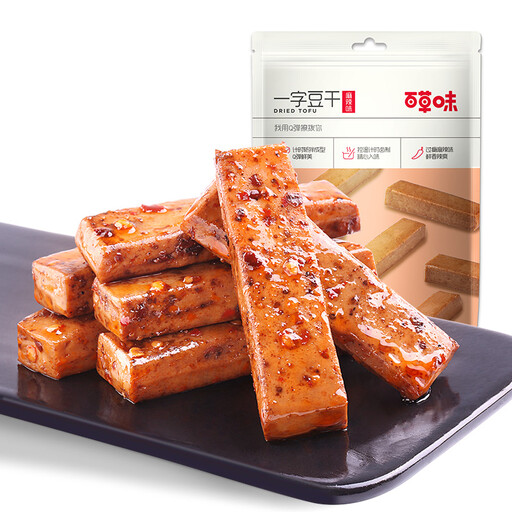
Why this fits the profile: A firm, chewy tofu snack with a spicy and aromatic flavour for home, on the go or with a drink.
The product information clearly lists soya and wheat as allergens. Check this before buying if you need to avoid these ingredients.
200 grams; ready to eat; individually wrapped according to the product description; 12 grams of protein per 100 grams.
We've put together a full, up-to-date list of products that fully meet these strict selection criteria and comply with current European safety regulations.
Choose individually wrapped konjac snacks, tofu snacks, seaweed or small bags of crisps. Check that the product is ready to eat and doesn't need chilling or preparation. A multipack is practical for school, the office, train journeys or a lunchbox.
No. The range goes from plain and BBQ to cheese, five-spice, sesame and chilli. Look out for terms like "hot", "spicy", "mala" and "Sichuan pepper". According to the brand's own product information, a snack may contain garlic, ginger or Sichuan pepper in addition to chilli; the perceived heat can therefore vary.
Store non-perishable snacks in a cool, dry place away from direct sunlight. Seal an opened bag well to help keep the texture. Frozen products must stay frozen according to the label and should not be refrozen after defrosting. Always read the current packaging for the exact storage instructions and best-before date.
