
Vandaag of morgen in huis

Kwaliteit gegarandeerd

Welkomstaanbiedingen ontgrendelen: GRATIS bezorging | Tot 80% korting | Gratis 30 dagen JoyPlus-proefperiode
Download de app
Buying Asian snacks in the UK might seem straightforward, but the differences between packaging, ingredients and portion sizes are significant. A bag of dried mango, for example, can contain a lot of sugar, salt or preservatives. With a plum snack or hawthorn snacks, the balance between fruit and added sugar strongly influences the final taste.
Terms like “natural”, “traditional” and “fat-free” also tell you very little about the full composition on their own. So look beyond the front of the packet. Using the points below, you can compare Chinese snacks, dried fruit and candied fruit in a practical way.
A 70g or 90g bag might look attractively priced, but it isn’t always good value per 100g. Always compare the net weight and the price per weight. For home or the office, a larger pack – such as 430g of dried prunes – can make more sense. For on the go, a small packet is far more convenient.
Dried fruit naturally contains concentrated fruit sugars. On top of that, sugar, salt, flavourings, acidity regulators or preservatives may have been added. With dried mango, it’s especially important to check whether sulphites are listed on the label. That matters for anyone who needs to avoid these substances.
A brand’s product description might describe a snack as “natural” or “healthy”. That’s a claim from the brand, not a fixed judgement. Always check the ingredients list and nutrition table yourself.
Not every Asian snack contains allergens, but some products do. Dates with almonds in ruby chocolate, for example, contain milk, soya and almonds. Dried mango may contain sulphites. Sweets with gelatine may not be vegetarian. So always check the label, especially when you’re sharing snacks with children, colleagues or guests.
A higher fruit content can give an indication of the composition, but it doesn’t tell you everything about the taste or nutritional value. Bestore Assorted Hawthorn lists different fruit percentages depending on the form: slices, rolls, balls or cakes. With a simple hawthorn snack made only from white sugar and hawthorn, the ingredients list is shorter.
Pay particular attention to:
The drying method and packaging affect the texture. Dried mango strips are usually chewy and slightly sticky. Dried prunes are softer and can also be used in yoghurt, porridge or baking recipes. Red dates are pitted and therefore practical for eating straight away or cooking.
For on the go, individually wrapped snacks or bags with a resealable closure are handy. For sharing, packs of 270g to 500g are more suitable, as long as you seal the contents well after opening.
Use the nutrition table to compare products fairly. Look at energy, carbohydrates, sugars, fat and salt. A product with 0g of fat isn’t automatically a suitable choice for every situation; it can still contain relatively high levels of sugar. With sweet and sour snacks, the salt content can also be significant.
Store dried fruit and candied fruit in a cool, dry place away from direct sunlight. Seal opened packs properly and always follow the instructions on the label.
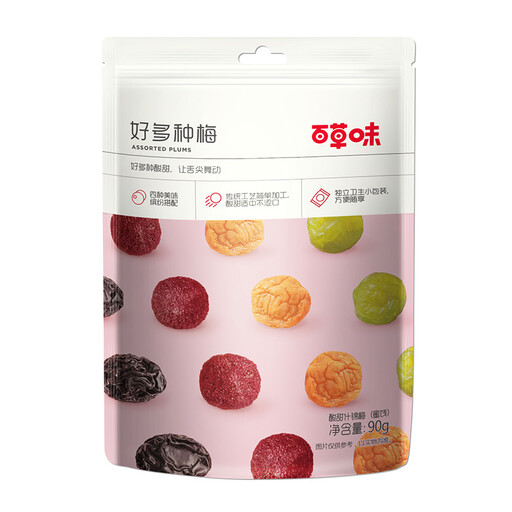
Why this fits the profile: A compact pack to try a sweet-and-sour plum snack without committing to a large quantity straight away.
The pack states 90g and has a clear ingredients list. This lets you check the portion and composition before ordering again.
Assortment of plum flavours, ready to eat, in a handy stand-up pouch.
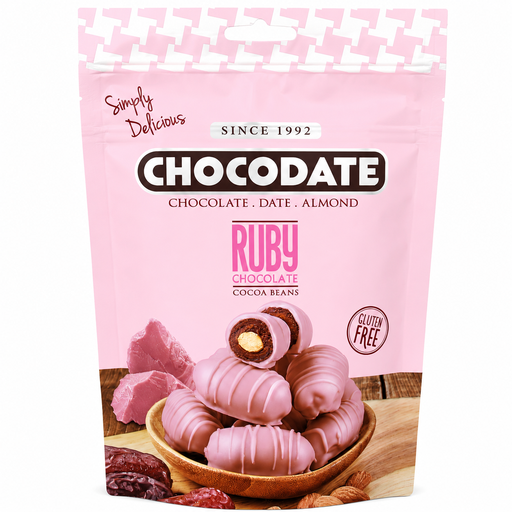
Why this fits the profile: A more refined combination of dates, almond filling and ruby chocolate, perfect for a small dessert moment or as a gift.
The allergens are clearly listed. This means you can check in advance whether milk, soya and almonds fit your dietary preferences.
Ruby chocolate, almond filling and a vegetarian product specification.
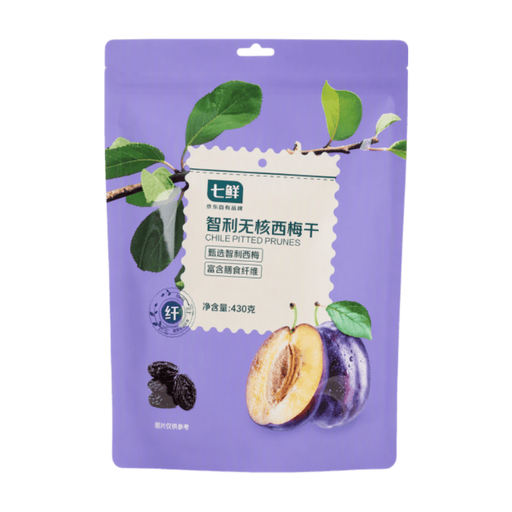
Why this fits the profile: The large pack suits families, keeping a regular stock at home, or using them in breakfasts and baking recipes.
The pitted prunes and the 430g quantity make it easy to use across multiple eating occasions.
Pitted, fat-free according to the product specification, and suitable for yoghurt, porridge or baking.
We’ve put together a full, up-to-date list of products that fully meet these strict selection criteria and comply with current European safety regulations.
Small bags of dried mango, plum snacks, red dates and hawthorn snacks are practical because they’re ready to eat. Check whether the pack is resealable and look out for sulphites, nuts or other allergens. An individual pack is handy in a bag or lunchbox.
No. The drying process changes the texture and concentrates the flavour. Some products contain only fruit, while other varieties include sugar, salt, acidity regulators or preservatives. Always compare the ingredients and nutritional value per 100g.
The best-before date is on the packaging. Store the snacks according to the instructions given, usually in a cool, dry place away from direct sunlight. After opening, the texture and flavour stay better if you seal the bag properly. With large packs, it’s wise to take out only the amount you need for immediate use.
