
Vandaag of morgen in huis

Kwaliteit gegarandeerd

Welkomstaanbiedingen ontgrendelen: GRATIS bezorging | Tot 80% korting | Gratis 30 dagen JoyPlus-proefperiode
Download de app
Tired of the usual party nuts and paprika-flavoured crisps? The world of Asian snacks offers an adventure in flavour and texture, from sweet and chewy to savoury and fiery. But ordering snacks online can feel like a gamble. The packaging might promise the world, but the contents can sometimes fall short.
As a Product Recommendation Officer at Joybuy, I see how people navigate the vast selection every day. To help you make the right choice, I'll point out a few common pitfalls and give you practical tips to find exactly what you're looking for.
Before you fill your digital shopping cart, it's wise to be aware of a few typical misunderstandings. This will prevent you from ending up with a pantry full of snacks that don't meet your expectations.
You don't need to be an ingredient expert to bypass these pitfalls. By paying attention to the following three points, you can make an informed choice.
Asian cuisine features a broad spectrum of flavours. To find what you like, it's helpful to know a few basic categories:
Texture is just as important as flavour. Look for descriptions on the packaging:
A quick glance at the label can reveal a lot. Pay attention to:
To get you started, we've selected a few unique snacks that cater to different preferences.
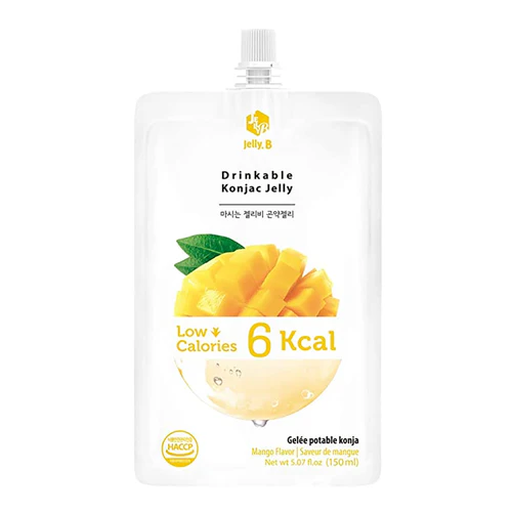
Why This Fits Their Persona: Perfect for those seeking a refreshing and practically zero-calorie snack. This Korean snack in a convenient squeeze pouch is ideal for on the go or as a light end to a meal.
This product avoids the calorie trap. The description and nutritional values (3 kcal per 100 ml) are crystal clear, so you know exactly what you're getting: a light, fruity treat without hidden sugars.
Contains almost no calories and no sugar. The firm, jelly-like texture of konjac jelly is surprisingly filling, and the mango flavour is refreshing.
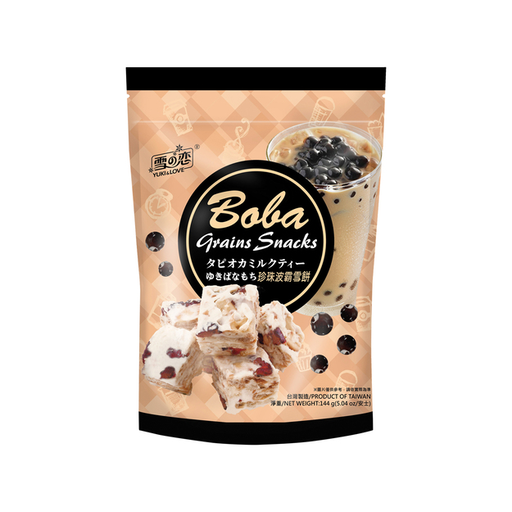
Why This Fits Their Persona: For fans of bubble tea and the chewy texture of mochi. This snack combines the popular milk tea flavour with a soft, sticky exterior. A modern twist on traditional Japanese sweets.
Prevents texture disappointment. The name "Boba Grains Snack" and the description make it immediately clear that you can expect a soft, chewy snack, similar to when you buy mochi.
A unique combination of a trendy drink flavour in a solid snack form. The chewy texture is satisfying, and the individual packaging keeps the snacks fresh.
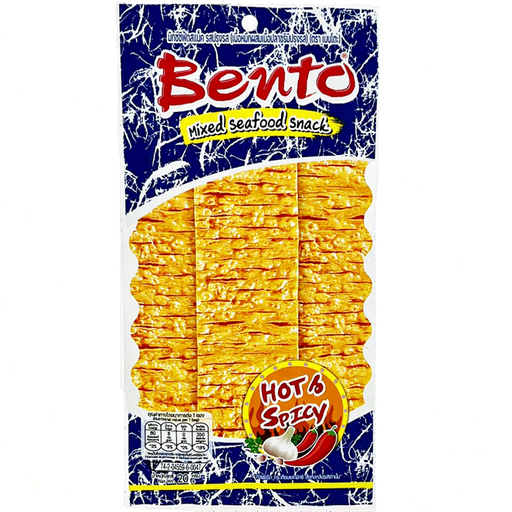
Why This Fits Their Persona: For the snack lover who doesn't shy away from an intense flavour experience. This popular Thai snack combines dried seafood with a powerful, spicy seasoning blend. A true flavour explosion.
Tackles the "flavour surprise" head-on. The name "Hot & Spicy" is a clear warning. This is not a mild snack, but an authentic, spicy snack. The small packaging is ideal for trying it out.
An intense, savoury, and spicy flavour you won't soon forget. The snack is high in protein and low in fat, making it an interesting choice for those looking for a powerful treat.
We have compiled a complete, up-to-date list of products that fully meet these strict selection criteria and Dutch regulations.
Check the packaging. Words like "Hot," "Spicy," "Mala" (麻辣), or images of chilli peppers are clear indicators. Thai and Korean snacks are often quite spicy by default. If you're unsure, start with a product labelled "mild" or choose a small trial-size bag to test the heat before you order unique snacks online in a larger quantity.
Although both have a unique texture, they are very different. Mochi is made from glutinous rice flour, which gives it a soft, doughy, and chewy texture. It is often filled and relatively high in calories. Konjac jelly is made from the konjac plant and has a firm, gel-like texture. It is especially popular because it contains almost no calories, sugar, or fat, making it a light and refreshing snack.
To discover and buy a wide range of Asian snacks, from Chinese snacks to Japanese sweets, you can turn to online stores with a specialised assortment. Platforms like Joybuy offer a curated selection where product information, such as ingredients and nutritional values, is clearly stated. This helps you make an informed choice and discover new favourites from the comfort of your own home.
