
Vandaag of morgen in huis

Kwaliteit gegarandeerd

Welkomstaanbiedingen ontgrendelen: GRATIS bezorging | Tot 80% korting | Gratis 30 dagen JoyPlus-proefperiode
Download de app
If you want to buy Asian snacks and groceries, you’ll soon find a huge range online, from Chinese snacks and lotus root slices to dried mango, fruit crisps, frozen vegetables and ready-to-eat snacks. The packaging can make a strong first impression, but it doesn’t always tell you what matters for your needs.
Look out for these three common pitfalls:
Snack portions are often smaller than the packaging suggests. So check:
A product with a low energy content per 100 g isn’t automatically right for everyone. Flavour, ingredients and when you plan to eat it also matter. For example, according to the product information, Shimoxiaozhen’s seasoned lotus root slices contain 1.8 g of salt per 100 g. The Jiajianchengchu variety lists 4.4 g of salt per 100 g. That difference matters if you’re planning to combine several snacks.
When buying imported Asian groceries, always check the full ingredients list on the product. Look out for:
For example, Jiajianchengchu’s red sweet potato slices list sulphites. The Thai-style dried mango also contains sulphites. According to its description, B+ muesli contains cereals containing gluten, hazelnuts and almonds, and may contain traces of other nuts, peanuts, soya and milk.
Use online product information as a guide, but always check the packaging before eating. Ingredients and warnings can change.
A cool, dry, dark place is usually suitable for dry snacks. Seal an opened bag well to help keep the contents crisp. For frozen products, take care to maintain the cold chain:
This applies to products such as frozen peas, berries, taro and purple yam. When your order arrives, it’s a good idea to check the packaging for damage straight away and store the products according to the label.
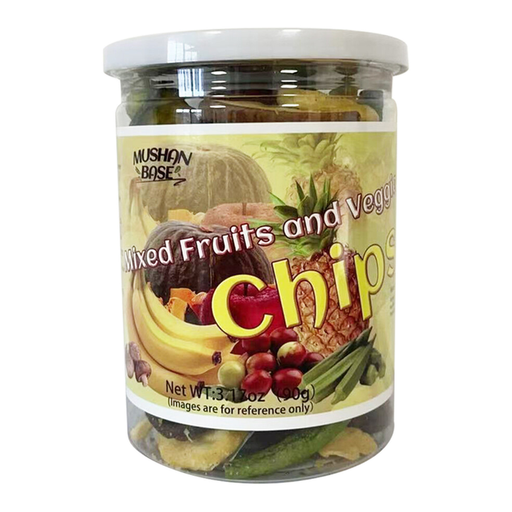
Why it suits this profile: A 90 g bag is a manageable size if you’re trying fruit or vegetable crisps for the first time. The mix includes purple sweet potato, banana, taro, apple, carrot and green peas.
The ingredients list shows that palm oil, maltose and salt are used alongside vegetables and fruit. This makes it easier to compare the marketing copy with what’s actually in the product.
Ready to eat, 90 g net weight and a varied mix with a crunchy texture, according to the product description.
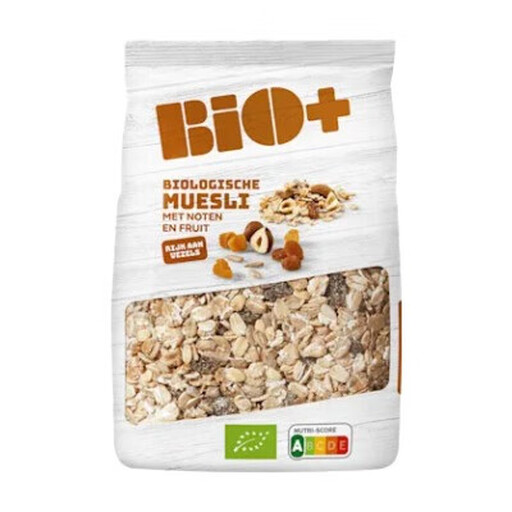
Why it suits this profile: This muesli is a good choice if you want to stock up for breakfast or yoghurt, and prefer to check the ingredients rather than rely on the front of the pack.
The product information lists the cereals, dried grapes, apricot, seeds, hazelnuts and almonds separately. This makes it easier to compare, especially if you have allergies.
450 g pack, 9 g of fibre per 100 g according to the stated nutritional information, and suitable for serving with milk or yoghurt or in a smoothie bowl.
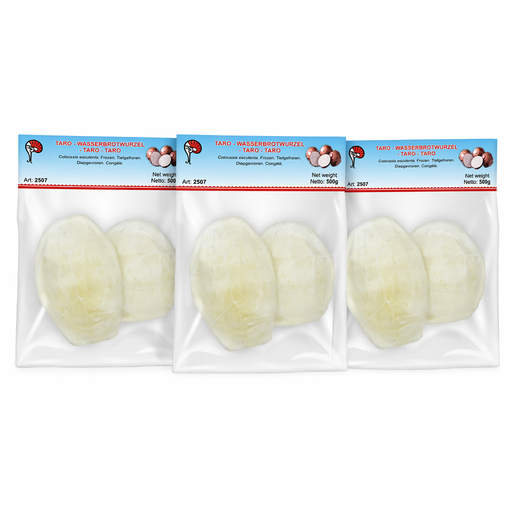
Why it suits this profile: This multi-pack is a good fit if you regularly cook Asian dishes and use taro as an ingredient, rather than ordering only ready-to-eat snacks.
The product information states that the pack contains three 500 g portions and gives clear freezing instructions. This lets you check the quantity and storage requirements in advance.
1,500 g in total, delivered frozen according to the product description, with no allergens from the 14 main EU allergen groups listed.
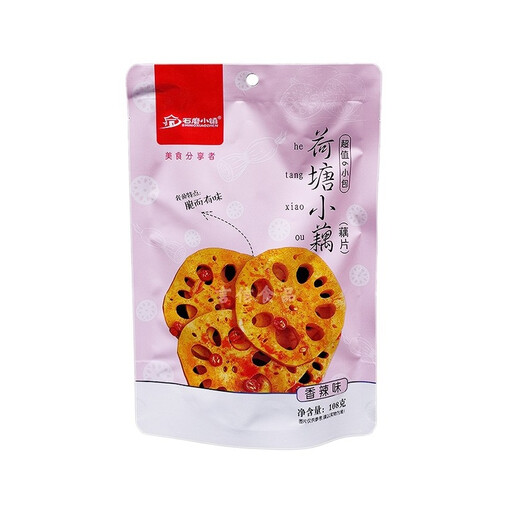
Why it suits this profile: This ready-to-eat snack is for anyone looking for a spicy, savoury flavour and a firm texture, without having to cook first.
The product information states that it contains at least 80% lotus root, 2% chilli and 1.8 g of salt per 100 g. This helps you get a better idea of the heat and ingredients.
108 g net weight, individually packed and ready to serve as a snack or side dish. The label lists no allergens, but does include colour E110.
We’ve put together a complete, up-to-date list of products that meet these strict selection criteria and current European safety requirements.
Compare the net weight, ingredients, allergens, nutritional information and use-by date. Also check whether the product should be delivered dry, chilled or frozen. If you’re ordering several products, the delivery method can affect the overall cost and convenience.
The unopened shelf life is shown on the packaging. Once opened, moisture, heat and air can all make a difference. Seal dried mango and fruit crisps well and store them in a cool, dry place. Use the product according to the instructions on the label.
That depends on your meal plan and freezer space. Products such as frozen berries, peas, taro and purple yam are convenient when you remember to take them out of the freezer in good time. Keep them frozen until you’re ready to use them, thaw only the amount you need, and always follow the manufacturer’s storage instructions.
