
Vandaag of morgen in huis

Kwaliteit gegarandeerd

Welkomstaanbiedingen ontgrendelen: GRATIS bezorging | Tot 80% korting | Gratis 30 dagen JoyPlus-proefperiode
Download de app
When buying Asian snacks and frozen foods online, most people focus on flavour and price. However, the key differences are usually found in the packaging, storage instructions, allergens and portion size. A product might look appealing, but it can turn out to be less convenient if it needs to be used quickly after opening or is only suitable for a large household.
With this practical guide, you’ll know exactly what to look for on the label. Below, you’ll find our recommendations for different usage scenarios, from Japanese gyoza to Asian desserts and baby food from 6 months.
A 600g box or a multipack can look great value per portion, but only if you can use that amount in time. With frozen products, this is less critical as long as the packaging stays sealed and is stored correctly. Once thawed, you must follow the instructions and never refreeze the product.
For snacks like baumkuchen, mochi or Japanese cake, there’s another factor: individually wrapped portions are more convenient for on-the-go, but they can mean more packaging material. So always check the net weight, the number of pieces and the portion size.
Japanese gyoza, Japanese mochi and matcha cake can come from different origins. Always check the country of origin, the ingredients list and the allergen information. Some dumplings contain wheat, soya and sesame together. Mochi may have milk components or soya in the coating.
A product name also doesn’t always tell you how much of a flavour ingredient is present. For example, the Sakuraseika Amaou Strawberry Castella lists strawberry purée in the ingredients. With a matcha cake, it’s important to check whether matcha is actually listed and which allergens the product contains.
Frozen dumplings must stay frozen during storage and transport. Product information about chilled delivery is no substitute for checking the packaging on arrival. If a frozen pack is damaged or the product feels partially thawed, follow the seller’s returns and safety instructions.
Also pay attention to the cooking method. Depending on the product, gyoza can be pan-fried, steamed or boiled. The desired texture varies: frying usually gives a crispy bottom, while steaming gives a softer result. Always use the preparation instructions on the packaging.
The 14 main EU allergens must be clearly stated on the label. Check in particular:
If you have an allergy, the current packaging is what matters. Recipes and labels can change, even if the product name stays the same.
Don’t just compare the price of a pack. Look at the weight and the number of portions. The Ajinomoto Pork Dumpling Gyoza contains 30 pieces, while the Ajinomoto Chicken & Veggie Gyoza is a 600g pack. For a family, a larger pack can be practical; for a first try, smaller portions are often easier to manage.
For snacks, individually wrapped products like the 80g Atom Japanese Banana Baum Cake are handy for a lunchbox or a quick treat. A box such as Atom Chocolate Baumkuchen 30x80g is better suited if you regularly want to share or stock up.
Always check:
Chilled cake products often need to be kept continuously refrigerated. According to the product information, mango pudding with nata de coco can be stored unopened in a cool, dry place and must be refrigerated after opening. For baby food like Yogolino, an unopened pack can be kept at room temperature; once opened, it belongs in the fridge and the contents must be used within 24 hours.
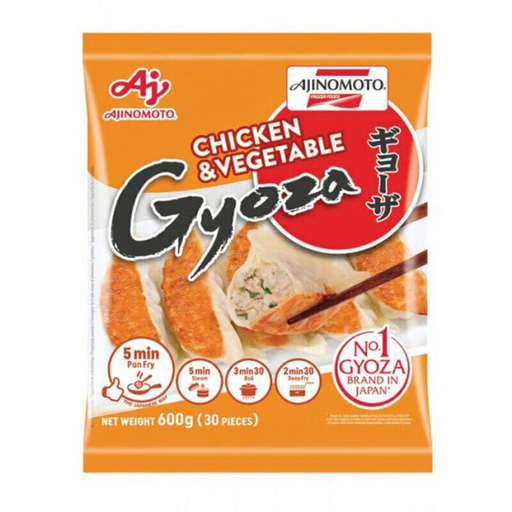
Why this suits the profile: A versatile pack for anyone trying Japanese gyoza for the first time and wanting to experiment with different cooking methods.
The weight and cooking options are clearly stated. Do check the allergens beforehand: the product contains wheat, soya and sesame, among others.
600g; suitable for pan, steamer or boiling according to the product description; chicken and vegetable filling.
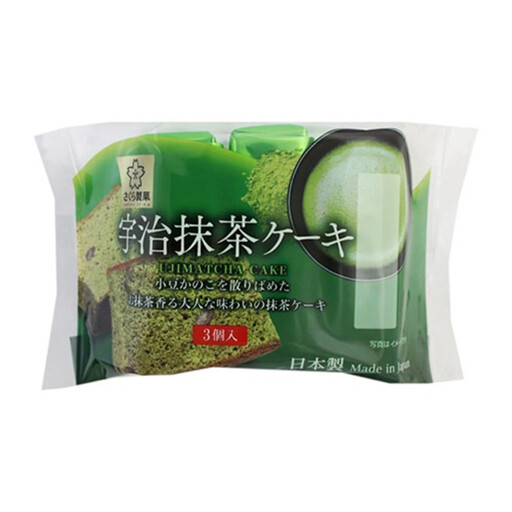
Why this suits the profile: For lovers of a pronounced tea flavour who want a small chilled pack of three pieces.
The pack is limited to three pieces and the product information states chilled storage. This means you don’t have to buy a large quantity.
Three pieces; Uji-matcha as a flavour component; keep refrigerated according to the label.
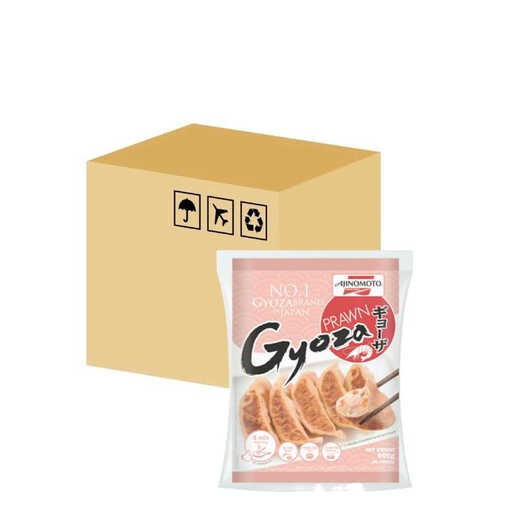
Why this suits the profile: A practical choice for households, dinner parties or anyone who regularly cooks prawn gyoza.
The bulk pack makes the total quantity clear. Check beforehand that you have freezer space and look out for the mention of crustaceans and wheat.
Prawn filling; bulk pack with 10 packs of 600g according to the product name; keep frozen.
For a sweet order, you can buy Japanese snacks in different textures. The Sakuraseika Amaou Strawberry Castella consists of three individually wrapped pieces and contains egg and wheat. The Atom baumkuchen is available in flavours including banana, strawberry, milk and chocolate. The product information for these variants typically lists wheat, egg and milk as allergens.
For a refreshing option, Cocon Kingo Mango Pudding with Nata de Coco is a dessert with mango flavour and nata de coco cubes. Serve it chilled and store it in the fridge after opening. Love Mochi Orange Flavour also offers individually wrapped, soft rice cakes with orange flavour. Always check the best-before date and the ingredients list.
Parents looking for Asian baby food should pay attention to the age indication and storage instructions. According to the product information, Nestlé Yogolino is suitable from 6 months. The pear and peach varieties contain milk and lactose. This makes checking especially important if there is a known milk allergy or lactose intolerance. Also follow the instructions on the packaging and keep baby food out of reach of children.
We’ve put together a full, up-to-date list of products that fully meet these strict selection criteria and comply with current European safety regulations.
It varies by product. Many gyoza can be pan-fried, steamed or boiled. For a crispy bottom, pan-frying is usually the best choice. Always follow the preparation instructions on the packaging and cook frozen gyoza using the method stated.
It depends on the type of dessert. Chilled cake and mochi must be kept refrigerated if the label says so. According to the product information, mango pudding can be stored unopened in a cool, dry place, but must be refrigerated after opening. Always check the best-before date and usage instructions on the current packaging.
Check the age indication, ingredients, allergens and storage instructions. Yogolino states from 6 months, with milk and lactose as points to watch. After opening, the product must be kept refrigerated and used within the stated time. If you’re unsure whether it’s suitable for your child, you can ask your health visitor or doctor for advice.
