
Vandaag of morgen in huis

Kwaliteit gegarandeerd

Welkomstaanbiedingen ontgrendelen: GRATIS bezorging | Tot 80% korting | Gratis 30 dagen JoyPlus-proefperiode
Download de app
Craving Chinese snacks, dim sum or spicy noodles, but don’t have time to make everything from scratch? Asian snacks and frozen foods make it easy to bring plenty of variety into your home. However, attractive packaging can hide important information. A larger pack does not automatically mean better value, and “authentic flavour” says little about the ingredients, allergens or preparation method.
As a Joybuy Product Recommendation Officer, I filter product information down to the practical details. This helps you see more quickly which options suit your household, kitchen and eating occasion.
One product may be described on the packaging as ready to eat, while another must first be heated thoroughly. This distinction matters for products such as gyoza, siu mai, bao buns and rice balls. Raw frozen products must not be eaten without cooking.
Always check:
For example, the FRESHASIA Handmade Glutinous Rice Siu Mai instructions state that the product should be steamed straight from the freezer for 8 to 10 minutes and heated thoroughly. The SAN QUAN Custard Bun requires 10 to 12 minutes of steaming.
Pay attention to the net weight, the number of pieces and the individual packaging. A 500-gram tub is handy for sharing, but it is not always suitable if you live alone or want to try several different flavours. Individually wrapped portions can also help reduce waste.
For snacks such as instant noodles, macadamia nuts and plums, shelf life after opening is also important. A product that needs to be consumed quickly once opened may be less suitable if you only have a small portion occasionally.
Read the ingredients list and nutritional information before ordering. Chinese spices, chilli powder and sauces can add plenty of flavour, but the ingredients vary from one product to another. Pay particular attention to salt, sugars, sweeteners and flavour enhancers.
Also check for allergens such as:
Most Asian frozen products should be stored at -18 °C or below. Check that your freezer has enough space and that the packaging is intact. Products generally must not be refrozen after thawing. Arrange delivery for a time when you will be at home, so that frozen products spend as little time outside the freezer as possible.
A product with individual portions, such as certain types of siu mai, is practical for households that do not want to prepare everything at once. Do check the instructions on the packaging, though: one product may be steamed straight from the freezer, while another must be cooked fully.
A steamer basket is useful for bao buns, hakau and siu mai. With gyoza, you can choose between pan-frying, deep-frying or steaming. Instant noodles generally only require boiling water, but always check the exact soaking time.
Examples from the product specifications:
Do not look only at the product name. According to the listed ingredients, a “lobster flavoured” fish ball contains fish and artificial lobster flavouring; this is different from a product containing lobster meat. A chicken gyoza may also contain soya, wheat and sesame.
Nutritional values per 100 grams make it easier to compare products fairly. Also consider the portion size. A 300-gram bag of siu mai may provide several eating occasions, while a 106-gram snack may be intended as a single serving.

Why it suits this profile: These steamed bao buns are an easy way to get started with dim sum. According to the product information, they can be steamed from frozen in 8-10 minutes.
The preparation method and 270-gram weight are clearly stated. You do not need to guess whether thawing is required.
Cantonese style with a savoury filling; contains wheat, soya and sesame, so you can check the allergens in advance.
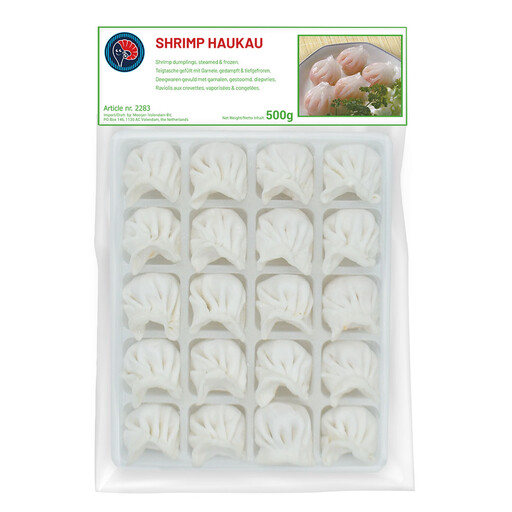
Why it suits this profile: Ideal for anyone planning a more substantial dim sum meal. The pack contains 500 grams, and according to the instructions, the ha kau should be steamed from frozen for 8-10 minutes.
The product information states that it contains 25% prawns and 8% fish. This allows you to compare the ingredients rather than relying on the name alone.
Large pack for sharing; contains crustaceans, fish, gluten, sesame and soya.
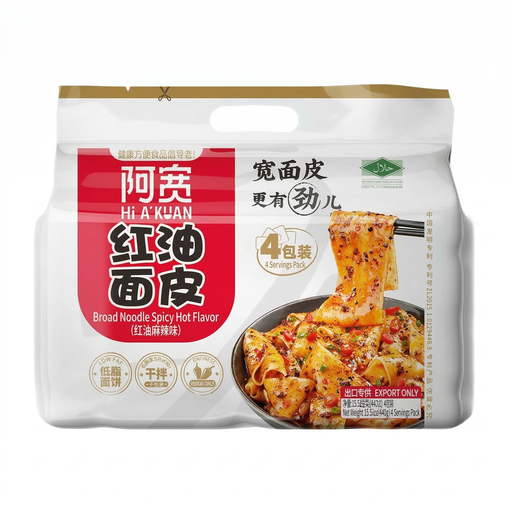
Why it suits this profile: Handy for busy evenings or fans of spicy Sichuan-style noodles. The broad noodles are soaked in boiling water for 5-6 minutes.
The preparation steps are clear: soak, drain thoroughly and then add the sauce sachets. The stated nutritional information lists 4.5 grams of salt per 100 grams.
Large 440-gram pack; contains wheat and soya and can be prepared quickly without a hob.
If you like to mix things up, you can combine gyoza with fish balls, siu mai or bao buns. For dessert, Taiwanese taro balls and Chinese rice balls with peanut, sesame or yam filling are practical options. Pay attention to the distinction between ready to eat and raw frozen.
According to their product information, Be&Cheery King Plum Bucket 500g, Wei Long Spicy Stick Big Gluten Flavour 106 g and Be&Cheery Cream-Flavored Macadamia Nuts 100g are suitable for eating straight away. The plums contain sulphites and sweeteners, while the macadamia nuts contain at least 85% macadamia nuts. Always check the packaging for the latest ingredients and allergen information.
We have put together a complete, up-to-date list of products that fully meet these strict selection criteria and the applicable European safety regulations.
Many products can be prepared straight from the freezer, but always follow the instructions on the packaging. Gyoza, for example, can be pan-fried or steamed. Rice balls and fish balls generally need to be cooked in boiling water or hot soup until thoroughly cooked. Thawing can affect the texture and is not always permitted.
Store them at -18 °C or below and follow the best-before date on the packaging. Many products must not be refrozen after thawing. Store opened packs according to the instructions and seal them properly to help prevent freezer burn and loss of quality.
This varies from product to product. Wheat, soya, sesame, egg, milk, fish, crustaceans, peanuts, nuts and sulphites are commonly found in Chinese snacks and Asian frozen products. Read the full allergen information before buying and also check the warnings for possible traces.
