
Vandaag of morgen in huis

Kwaliteit gegarandeerd

Welkomstaanbiedingen ontgrendelen: GRATIS bezorging | Tot 80% korting | Gratis 30 dagen JoyPlus-proefperiode
Download de app
Searching online for Asian snacks and drinks brings up lots of colourful packaging, unusual flavours and multipacks. But a striking label doesn’t tell you everything. A tropical drink, for example, can be high in sugar, while “fruit” on the front doesn’t automatically mean it contains much fruit juice. Dried fruit can also have added sugar and preservatives.
With this guide, you can compare products using verifiable information. That makes it easier to find a suitable tropical drink, exotic fruit drink, snack or multipack of soft drinks for home, on the go or to share.
Check the percentage of fruit in the ingredients list. A product can have a fruit flavour but be made mostly from water, sugar, flavourings and acidity regulators. For example, Iam Superjuice Mango states 30% mango juice. According to the product information, the Iam Superjuice Passionfruit Drink and Pink Guava also contain 30% fruit juice.
Other drinks have a lower fruit percentage. Maaza Guava, for instance, states 16% guava juice from concentrate. That doesn’t make the drink unsuitable, but it does help you compare flavour, ingredients and price fairly.
A no added sugar drink contains no added sugar according to the label, but it can still have natural sugars from fruit. So also look at the nutritional information per 100 ml. The Iam Superjuice Mango and Passionfruit drinks state 17 kcal per 100 ml. The Pink Guava variant states 16 kcal per 100 ml.
A regular fruit drink or soft drink can have different nutritional values. According to the available product information, Mogu Mogu Lychee with nata de coco contains around 11 to 13 grams of sugar per 100 ml. A 320 ml can therefore contains significantly more sugar than the amount per 100 ml might initially suggest.
A tray of 12 cans is practical for a household, office or party, but only buy a multipack if you already know you like the flavour or will use enough of it. Check:
The same goes for snacks. A 70 g bag of dried mango might look small, but also compare the sugar content and ingredients. According to the product information, Jia Jian Cheng Chu Philippine Style Dried Mangoes contains 90% mango, sugar, citric acid and sulphite. If you’re sensitive to sulphites, read the label extra carefully.
Start with the ingredients list, not the picture on the packaging. Pay attention to the order: ingredients listed first are usually present in larger amounts. Also compare the fruit percentage and the difference between juice, purée, concentrate and flavouring.
Examples in this category:
According to the product information, the coconut water is vegan and gluten-free. Always check the current packaging with each order, as recipes and labelling can change.
Look at the nutritional information per 100 ml and, for multipacks, also calculate it for the whole pack. A low-calorie drink might, for example, contain sweeteners. TING Soda Tropical lists sugar and sucralose in the ingredients, with 19 kcal and 4.4 g of sugar per 100 ml.
With mochi and other Asian sweets and snacks, portion size is important. According to the product information, Bamboo House Double Filling Mango Mochi contains 352 kcal and 38.6 g of sugar per 100 g. The 180 g pack consists of individual rice balls, making it easier to portion. The product does contain milk and egg.
Always check the allergen information, especially with snacks containing milk, egg, soya, nuts or sulphites. Dried mango and other dried fruit can contain sulphite. The Jia Jian Cheng Chu Thai Flavour Dried Mango, for example, lists sulphites as an allergen.
Also note the difference between storing unopened and opened products:
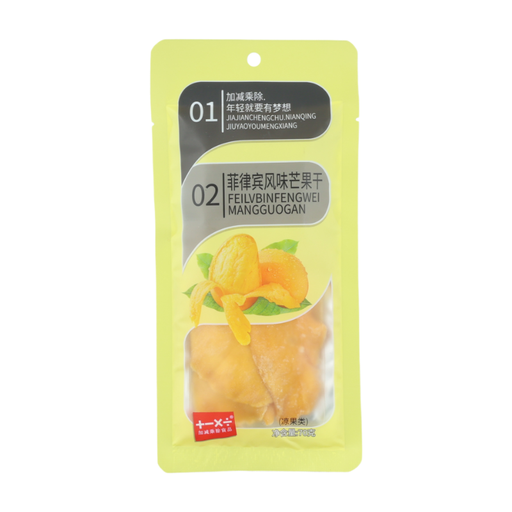
Why this fits the profile: A small bag is ideal for trying a flavour for the first time or taking to work, school or on the go.
The product information states 90% mango and a clear net weight of 70 grams. This makes it easier to assess the ingredients and portion size. Do note the listed sulphites and 64 g of sugar per 100 g.
Ready-to-eat snack, 90% mango according to the label and easy to take with you.
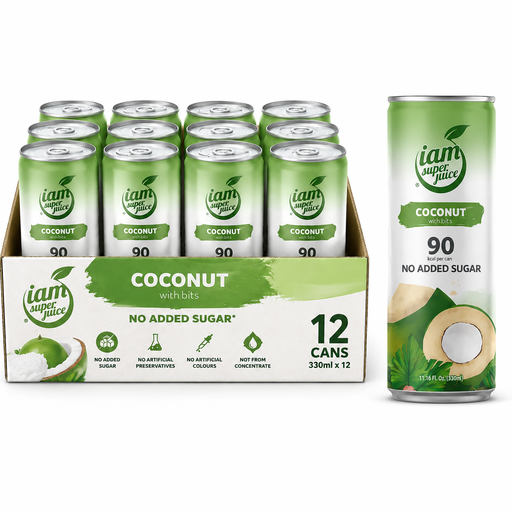
Why this fits the profile: For those who want to stock up on tropical drinks and value a short product description with clear features.
The product information states 100% coconut water, 2% real coconut pieces and no added sugar. This means the flavour stays clearly distinct from a regular soft drink.
12 cans of 330 ml, according to the product information vegan and gluten-free, with real coconut pieces.
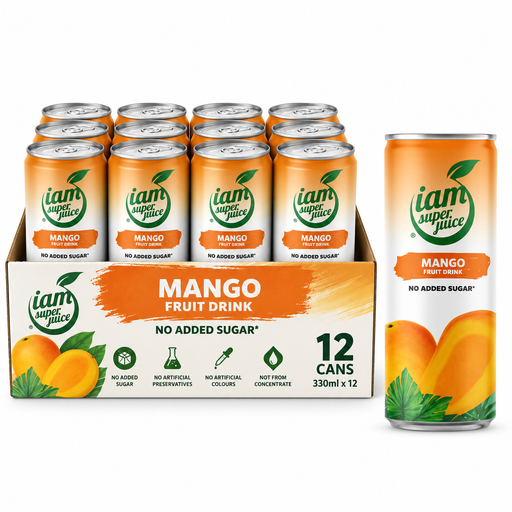
Why this fits the profile: A practical choice for anyone who regularly wants to serve a mango drink with meals, at home or during a gathering.
The packaging states 30% mango juice, no added sugar and 17 kcal per 100 ml. Do compare these figures with your own portion size and check the current packaging.
12 × 330 ml, suitable for drinking chilled and, according to the product information, with no added sugar.
We’ve put together a full, up-to-date list of products that fully meet these strict selection criteria and comply with current European safety regulations.
Popular categories include coconut water, mango drink, guava drink, lychee drink, passionfruit drink, mochi and dried mango. The right choice depends on your preference for juice percentage, sugar content, texture, packaging and portion size.
Store unopened drinks according to the label in a cool, dry place away from direct sunlight. Once opened, they usually need to go in the fridge. Store dried mango in a sealed, dry container. Always follow the specific instructions on the packaging.
That depends on the price per litre, the packaging and how much you actually drink. A multipack of soft drinks can be handy for regular use or for guests, but a smaller pack stops a new flavour from going unused. So compare the total volume, best-before date and price per litre before you order.
