
Vandaag of morgen in huis

Kwaliteit gegarandeerd

Welkomstaanbiedingen ontgrendelen: GRATIS bezorging | Tot 80% korting | Gratis 30 dagen JoyPlus-proefperiode
Download de app
Asian snacks and desserts come in many forms: from soft mochi and Indonesian sweets to tropical pudding, popping boba and konjac jelly. The packaging is often appealing, but the differences in ingredients, texture, portion size and storage requirements can be significant.
If you focus only on the flavour or a colourful image, you could end up with a product that does not suit your diet, preferred texture or intended use. These practical checks will help you make a more informed choice.
‘Mango’, ‘lychee’ or ‘tropical’ does not automatically mean that a product contains a large amount of fruit. Check the ingredients list and look for the percentage of fruit juice, fruit purée or concentrate. For example, Cokoc Mega Trophy Gummies Mango contains 3.5% concentrated mango juice, alongside sugar, glucose syrup and beef gelatine.
Colourings are another point to consider. This product lists E110 and E102. According to the product information, consuming these colourings may have a negative effect on activity and attention in children. Always check the label, especially when buying snacks for the whole family.
Asian jelly is not one specific type of dessert. Nata de coco consists of soft, springy coconut gel cubes. Konjac jelly usually has an elastic, smooth texture. Grass jelly made with Mesona extract is softer and is often combined with milk, fruit or tea.
With mochi, the key feature is its sticky rice-dough texture. A product may therefore be called ‘pudding’, ‘jelly’ or ‘mochi’, while the eating experience differs considerably. Look beyond the flavour and check the description of the texture too.
A family-sized pack is practical for parties or several people, but less suitable if you have not tried the flavour before. A pack of 16 small cups is convenient for sharing and lunchboxes, while a 490-gram bag of popping boba is particularly appealing if you regularly make bubble tea or desserts.
Also check whether a product needs to be refrigerated after opening, is individually packaged or can be eaten straight away. This information helps prevent waste.
Read the full ingredients list rather than relying solely on the front of the packaging. Look out for:
If a product is marked ‘vegan’ or ‘vegetarian’ on the product page, always compare this with the current packaging if you are unsure. Recipes and labels can change.
Nutritional values per 100 grams make products easier to compare. Delief Konjac Jelly Mango, for example, lists 4 kcal and 0 grams of sugar per 100 grams, while Cocon Kingo Mango Pudding with Nata de Coco contains 83 kcal and 19 grams of sugar per 100 grams.
That does not mean one product is more suitable for everyone. Pudding is intended as a sweet dessert, while konjac jelly may appeal to anyone looking for a light, elastic snack. Consider the portion size too: an individual cup or pouch gives you a more realistic idea of how much you will actually eat.
Many tropical desserts are ready to eat and taste best when chilled. Cocon pudding with nata de coco, for example, can be served chilled. According to the product label, opened packs often need to be stored in the fridge and used within the stated period.
Frozen Chinese desserts, such as glutinous rice cakes with taro or brown sugar filling, require more care. These products must remain frozen, must not be refrozen after thawing and need to be steamed or briefly heated in the microwave. This makes them less suitable as an impulse snack on the go, but ideal for enjoying as a dessert at home.
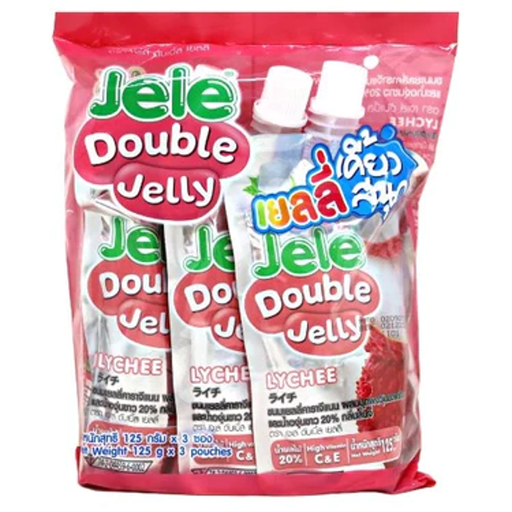
Why it suits this profile: Three 125-gram portions make it easy to try a new Asian jelly without buying a large supply straight away.
The packaging lists three separate cups, the ingredients and the nutritional value per portion. However, pay attention to the warning on the packaging: it is not suitable for children under three years of age due to the risk of choking.
Three portions, 60 kcal per 100 grams and a combination of soft jelly with pieces of fruit.
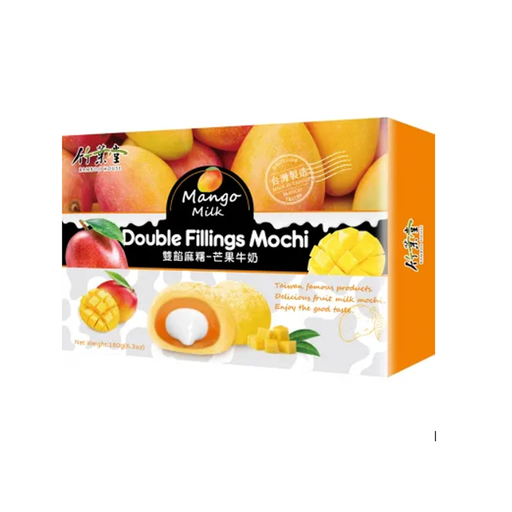
Why it suits this profile: This Taiwanese mochi combines a mango and milky filling with a soft rice layer. The individual wrapping is practical for sharing or storing.
The product information clearly states that it has a double filling and lists the allergens: milk and egg. This gives you a better idea of the texture and ingredients before you buy.
180 grams, individually wrapped pieces and 38.6 grams of sugar per 100 grams according to the product information.
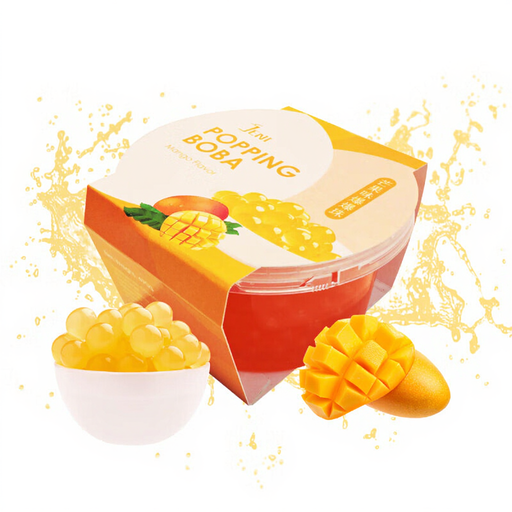
Why it suits this profile: The large resealable pack is designed for regular use in bubble tea, smoothies, drinks and desserts.
The intended use and quantity are clearly stated. Once opened, the pack should be stored in the fridge according to the product information.
490 grams, resealable packaging and 86 kcal per 100 grams according to the product information.
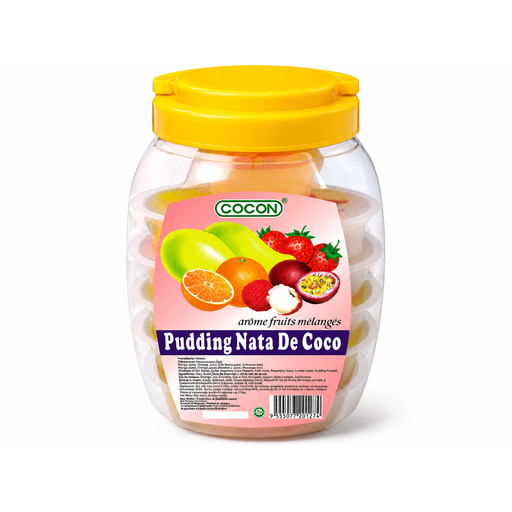
Why it suits this profile: Sixteen individual cups with spoons and six fruit flavours are ideal for visitors, parties or families who want to try different flavours.
The portions are individually packaged, so you do not need to store a large opened tub straight away. However, check the current allergen information on the label before eating; the product information lists milk.
16 cups, spoons included, with flavours such as mango, lychee, orange and passion fruit.
We have put together a complete, up-to-date list of products that fully meet these strict selection criteria and the applicable European safety regulations.
Mochi, fruit pudding with nata de coco and lychee jelly are accessible choices because the flavours are familiar and the products can be eaten straight away. If you would prefer to try a savoury option, you could choose Indonesian snacks such as emping melindjo. Always check the allergens in mochi and the recommended age for jelly.
Mochi is a soft, elastic rice-dough product with fillings such as mango, coconut or brown sugar. Konjac jelly has a smooth, springy texture and is often sold in a pouch. Nata de coco consists of small coconut gel cubes, which are usually used in pudding or fruit jelly.
This varies from product to product. The unopened shelf life and date are shown on the packaging. Once opened, many puddings and jelly products should be stored in the fridge and consumed within the stated period. Always follow the instructions on the label and do not use a product if the seal is damaged.
