
Vandaag of morgen in huis

Kwaliteit gegarandeerd

Welkomstaanbiedingen ontgrendelen: GRATIS bezorging | Tot 80% korting | Gratis 30 dagen JoyPlus-proefperiode
Download de app
Anyone searching for Asian snacks and desserts online will quickly find a huge selection: Japanese snacks, Chinese sweet treats, mochi, pudding, cake and chilled desserts. However, eye-catching packaging says little about flavour, shelf life or whether a product is right for your circumstances. With a few simple checks, you can avoid buying something disappointing, having to eat it too quickly or choosing a product that does not suit your family.
With imported products, ingredients, allergens and nutritional values may appear in different parts of the product information. Always check:
A product containing fruit, coconut jelly or matcha is not automatically light or suitable for every occasion. Check the nutritional value per 100 grams and, where stated, per serving.
Mochi, fruit pudding, Japanese cake and konjac jelly may contain fruit purée or fruit juice concentrate, but they may also contain sugar, glucose syrup or other sweeteners. So compare the line showing of which sugars. For example, Q-Brand Assorted Fruit Mini Mochi contains 22 grams of sugar per 100 grams. Cocon Kingo Mango Pudding with Nata de Coco contains 19 grams per 100 grams.
That does not make these products unsuitable, but it is worth considering when choosing the portion size and occasion.
Not every Asian snack belongs in the same cupboard. Some products can be stored outside the fridge when unopened, while others must be kept chilled or frozen. Pay particular attention to:
Texture is an important part of Asian desserts. Mochi should be soft and elastic, while nata de coco has a slightly crunchy, jelly-like bite. With frozen products, preparation is crucial. China Town Glutinous Rice Ball Coconut is a raw frozen product that must be cooked thoroughly. The rice balls are ready when they float to the surface; after that, they should be boiled for another one to two minutes.
Konjac jelly is usually eaten straight away, often chilled. However, check the warnings on small jelly portions and serve them carefully to young children. Their shape and texture may pose a choking risk.
For families, the difference between ordinary snacks and baby food from 6 months is important. Nestlé Yogolino Pear and Nestlé Yogolino Peach 6M+ are dairy snacks that, according to the product information, are suitable from six months of age. They contain milk and lactose, so they are not suitable for babies with a milk allergy or lactose intolerance.
Do not use the age guidance as a substitute for personalised nutritional advice. Always check the packaging, ingredients and any guidance from your health visitor or doctor.
A box of individually wrapped cakes is practical for lunch boxes or the kitchen cupboard. A multipack of pudding cups is more convenient for several occasions. For keen home cooks, the material used for accessories also matters.
When choosing ramekins for crème brûlée, check their oven suitability, capacity, dishwasher compatibility and risk of thermal shock. The DAFUCERAMIC set has a capacity of 8 fluid ounces per dish and, according to the product information, is suitable for use in the oven, freezer, microwave and dishwasher. Do not move ceramic cookware directly from the freezer into a hot oven, and do not use it over an open flame.
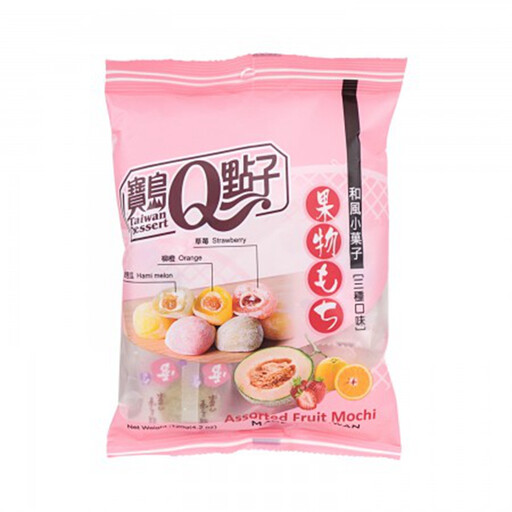
Why it suits this profile: The small portions and selection of fruit flavours make this an easy introduction to Japanese snacks.
The product information lists the weight, ingredients, possible traces of milk, soya and nuts, as well as the storage instructions.
120 grams, fruit varieties and a soft, chewy texture; suitable for sharing or serving individually.
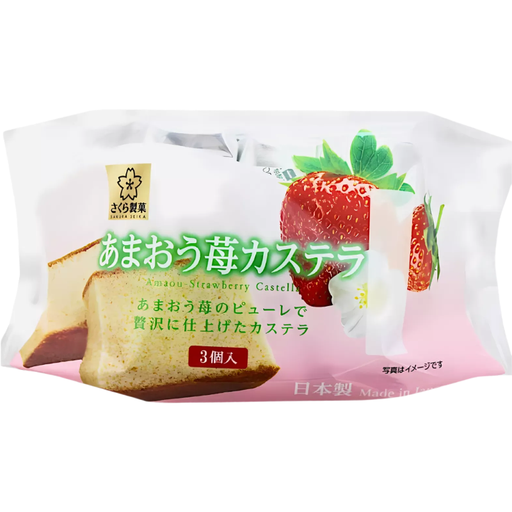
Why it suits this profile: This individually wrapped Japanese cake is ideal for an elegant tea break, a gift or a small treat.
The pack contains three separate pieces. The product information also lists egg and wheat as allergens and states that it should be stored chilled.
Soft, moist castella, three individual portions and clear storage instructions in the product description.
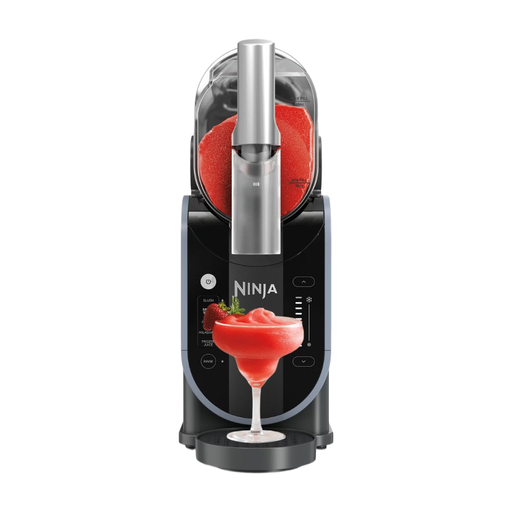
Why it suits this profile: For anyone who regularly wants to make slushies, frappés, mocktails or frozen juice at home without constantly adding ice cubes.
The machine has five programmes, but the drink must contain sugar. Check the recipes and available space before buying.
A capacity of 1.89 litres, 200 watts, five presets and a preparation time of approximately 15 to 60 minutes.
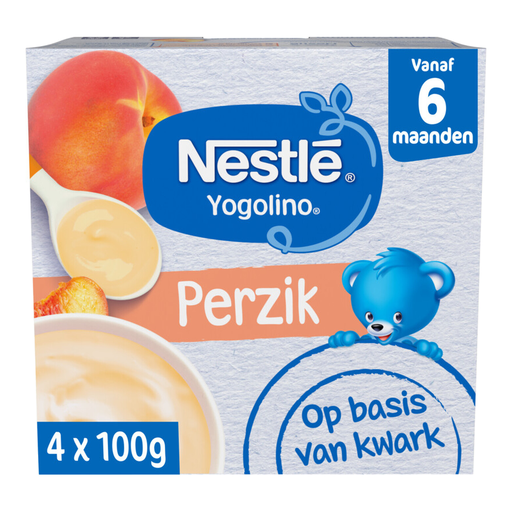
Why it suits this profile: According to the product information, this dairy snack is intended for babies from six months of age and comes in four 100-gram cups.
The age guidance, milk and lactose information, and storage instructions after opening are clearly stated in the product details.
Can be stored outside the fridge when unopened; once opened, keep chilled for no more than 24 hours according to the product information.
We have put together a complete, up-to-date list of products that fully meet these strict selection criteria and the applicable European safety regulations.
It depends on the product. Mochi stored at room temperature should generally be kept dry and out of direct sunlight. Some varieties need to be refrigerated after opening. Fruit pudding and nata de coco pudding are often best served chilled, but always check the packaging and store opened cups in the fridge.
Not automatically. Check the age guidance, texture, allergens and sugar content. Konjac jelly and other compact, elastic snacks require extra care when given to young children. For baby food from 6 months, follow the age guidance and product instructions on the label.
As well as the purchase price, you need to consider electricity consumption, ingredients and cleaning. The Ninja FS301EU has a power rating of 200 watts. The actual cost depends on how long you use it and the recipe you choose. As the appliance cools liquid without adding ice, you do not need to make separate ice cubes, but according to the product information, sugar is still required.
