
Vandaag of morgen in huis

Kwaliteit gegarandeerd

Welkomstaanbiedingen ontgrendelen: GRATIS bezorging | Tot 80% korting | Gratis 30 dagen JoyPlus-proefperiode
Download de app
When buying Asian snacks and desserts online, you often come across unfamiliar ingredients, varying storage instructions and appealing claims on the packaging. A product may look unusual, yet still be less suitable for the occasion, your diet or the space available in your cupboard.
With this practical guide, start by checking reliable, verifiable information. You can then choose more easily from Japanese cake, mochi, Chinese sweets, fruit fillings for tarts and dim sum.
A 780-gram pack may seem appealing if you regularly serve snacks. However, if the product has a short shelf life, you have limited storage space or you have not tried it before, a smaller pack may be the wiser choice. Therefore, check:
Individually wrapped portions can be practical for taking with you and portioning. However, they do not automatically tell you anything about the flavour or ingredients.
Brands use terms such as authentic, traditional and premium as part of their own product presentation. Do not treat these terms as definitive proof. Instead, look at the country of origin, ingredients list, weight and preparation method.
For example, castella cake is mainly recognised by its soft, airy texture and ingredients including egg, sugar and wheat flour. With baumkuchen, the layers and ring shape are its defining characteristics. The exact recipe may vary from one brand to another.
Some cakes are ready to eat and should be kept in a cool, dry cupboard. Other products, such as certain durian cake varieties, need to be stored in the fridge. Frozen dim sum products must be kept at a minimum of -18 °C and must not be refrozen after thawing.
Check the storage requirements before ordering. This helps prevent the product from being handled incorrectly in transit or at home.
Always read the label before eating, especially if you have allergies or intolerances. The range includes, among others, the following allergens:
You should not automatically consider a product without stated allergen information to be allergen-free. Use the packaging as your main source of information, as recipes and labels may change.
Choose according to how you intend to eat the product:
Use the nutrition table to compare products more fairly. Pay particular attention to energy, fat, carbohydrates, sugars and salt per 100 grams. A small portion may not seem like much, while its nutritional value per 100 grams may be relatively high.
The table helps you compare products, but it does not determine whether a product is right for you. Also consider the portion size and how many people you are buying for.
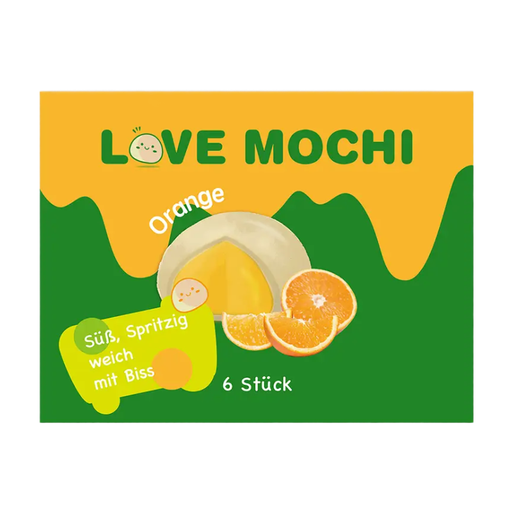
Why it suits this shopper: An accessible introduction to mochi, with individually wrapped portions and an orange filling. Ideal for a snack without any preparation.
The 180-gram weight and ingredients list are clearly stated. You can check the portions and ingredients before buying.
Soft, chewy texture; orange filling; no allergens stated in the product information.
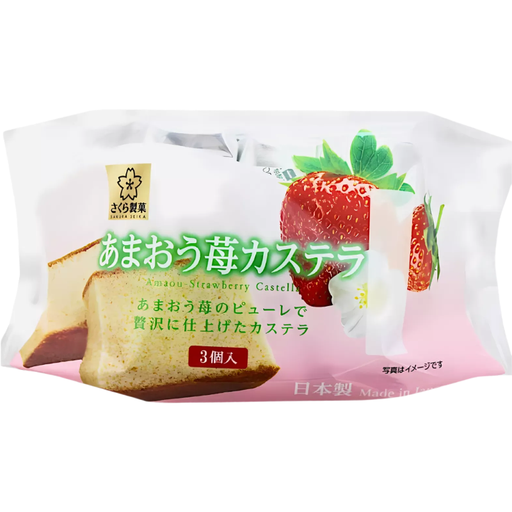
Why it suits this shopper: For anyone looking for a refined Japanese cake to enjoy with tea, serve as a dessert or give as a gift.
The pack contains three individual pieces and states that it should be kept chilled. This makes the portion size and storage requirements clear in advance.
Amaou strawberry flavour according to the product description; soft, moist texture; individually wrapped.
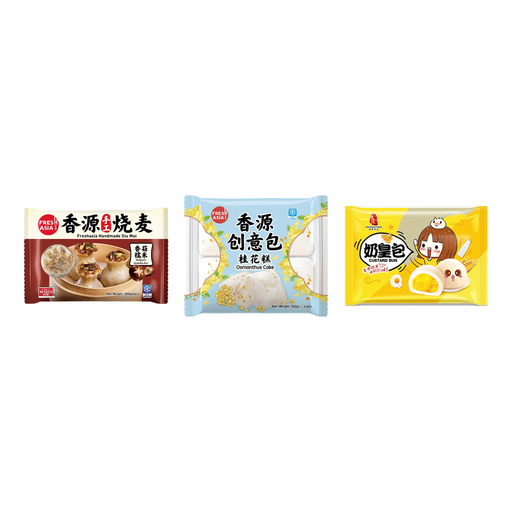
Why it suits this shopper: For households that want to serve several types of dim sum and have enough freezer space.
The product information states that it must be frozen, includes steaming times and confirms that it must not be refrozen after thawing.
A combination of siu mai, osmanthus cake and custard buns; prepared by steaming; ideal for sharing.
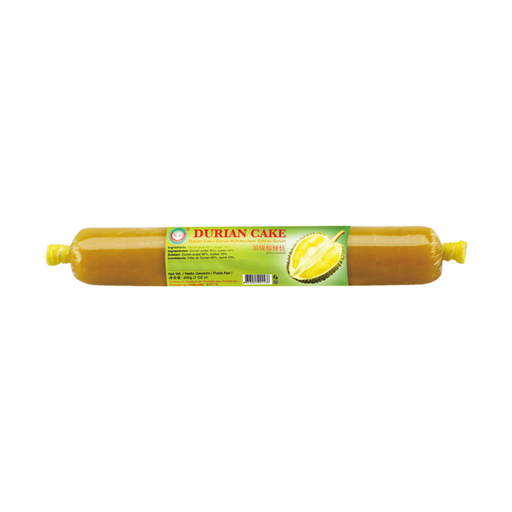
Why it suits this shopper: A choice for anyone deliberately seeking the distinctive aroma and flavour of durian in an individually wrapped cake.
The durian pulp and allergens such as wheat, egg and milk are listed. The requirement to keep it chilled is also clearly stated.
Contains durian pulp according to the product information; 200 grams; individually wrapped.
For tarts, pancakes and desserts, fruit fillings are practical when you would rather not cook the fruit yourself. HAK Pie Fruit Flan & Forest Fruits contains 51% fruit and, according to the product information, can be used in tarts, pastries, yoghurt and pancakes. The cherry variant contains 51% cherries and is also suitable for baking.
If you would prefer a simple cake to keep in your cupboard, take a look at the Atom Japanese Milk Baum Cake. According to the product description, this ring-shaped cake has a soft texture and milky flavour. For Chinese Asian sweets, MUSHAN BASE Mung Bean Cake is a ready-to-eat option made with mung beans and wheat flour.
We have compiled a complete, up-to-date list of products that fully meet these strict selection criteria and the applicable European safety regulations.
Always follow the label. Keep chilled cakes in the fridge, dry snacks in a cool, dry place and dim sum in the freezer at a minimum of -18 °C. A shorter consumption period may apply after opening.
They can be, particularly when the pack contains several individual portions. However, check the shelf life, allergens and temperature requirements. A mooncake with a custard filling may need to be stored differently from a dry cake or mochi.
For serving straight away, mochi, castella cake, mung bean cake and baumkuchen are simple choices. For a meal, frozen siu mai and custard buns are suitable, provided you have enough time to steam them properly. Home bakers can use fruit filling for tarts, pastries, yoghurt or pancakes.
