
Vandaag of morgen in huis

Kwaliteit gegarandeerd

Welkomstaanbiedingen ontgrendelen: GRATIS bezorging | Tot 80% korting | Gratis 30 dagen JoyPlus-proefperiode
Download de app
Anyone looking for Asian snacks and desserts will find plenty of choice in Dutch online shops: from konjac jelly and Japanese jelly to mochi, fruit jelly and Thai desserts. The difference is not just in the flavour. Texture, portion size, ingredients, allergens and nutritional values all determine whether a purchase really suits your needs.
A colourful package or a term such as “light” does not tell you much on its own. With this practical selection guide, you can compare products using verifiable information and avoid surprises when your order arrives.
In jelly snacks, the fruit flavour sometimes comes mainly from flavouring, with only a small amount of juice or concentrate. For example, COZZO Fruit Jelly Sticks comes in several flavours, but the stated fruit juice content is around 0.5 to 1% per flavour. That may be perfectly suitable if you are mainly looking for a sweet, fruity snack, but it is not the same as a dessert with a high fruit content.
A sugar-free jelly may contain sweeteners such as erythritol, sucralose or acesulfame K. So check the full ingredients list and nutrition table. Some products also contain carbohydrates that are not shown entirely as sugar. Do not rely solely on the front of the packaging.
Konjac jelly and Japanese jelly often have an elastic or smooth texture. This makes them appealing as a snack, but the packaging and usage instructions should always take priority. Do not give jelly to young children without careful consideration, and pay attention to the portion size and texture while eating it. Mochi and sticky rice desserts are also chewy and are generally eaten slowly.
Check whether a product contains milk, soya, wheat, sesame or other allergens. The Lychee Pudding Nata de Coco 480g, for example, contains milk powder and lists milk as an allergen. The pudding also contains nata de coco: small cubes of coconut gel with a firm, jelly-like bite.
The composition of mochi varies considerably. Yuki & Love Mochi Green Tea contains soya, while Royal Family Mochi-Creamy Coconut also lists soya. China Town Glutinous Rice Ball Coconut contains wheat and is a frozen product that must be cooked thoroughly. “Gluten-free snacks” therefore do not automatically include all rice desserts; always check the label.
Compare products on the same basis. A product with few calories per 100 grams may still contain several portions. Here are some examples from the product information:
These figures are not a judgement on flavour or suitability. They simply help you make an informed choice. Always check the current packaging when your order arrives, particularly for allergens, portion sizes and shelf life.
Jelly in a cup or squeeze pouch is often ready to eat straight away. Other Asian desserts require more care:
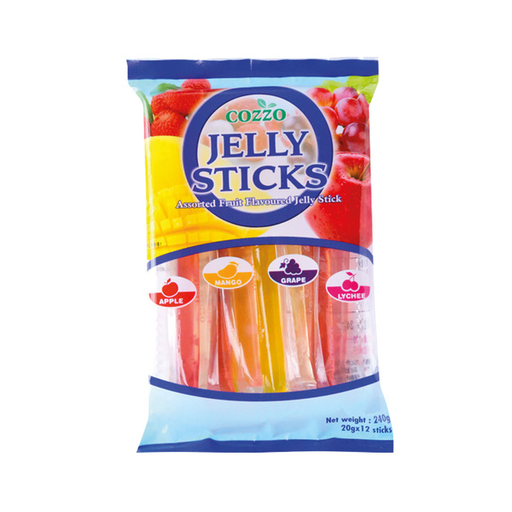
Why it suits this profile: The pack contains 12 individually wrapped 20-gram sticks in mango, lychee, apple and grape flavours. A convenient way to try different fruit jelly flavours.
The portions and flavours are clearly stated. The ingredients list also shows that the fruit juice content is limited, so you can set your expectations about the flavour accordingly.
12 individual sticks, four stated flavours, 104 kcal per 100 grams and none of the 14 main EU allergens listed.
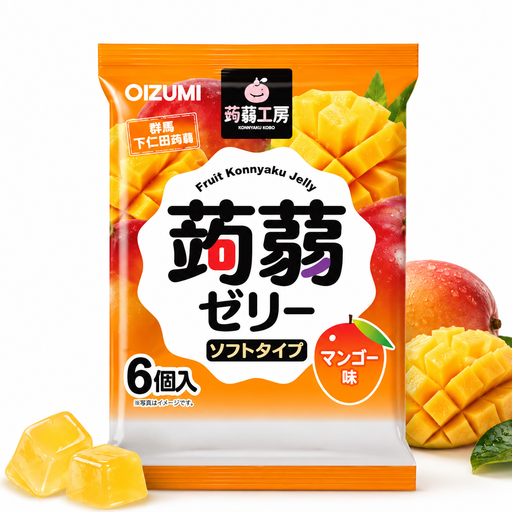
Why it suits this profile: If you are looking for a Japanese jelly with a soft, chewy texture and mango flavour, this compact product uses konjac as the stated gelling agent.
The product information states both the texture and the nutritional value. This means you can compare the jelly with ordinary fruit jelly instead of judging it solely by the packaging.
106 grams per pack, 0 grams of fat and 100 kcal per 100 grams according to the stated nutritional information.
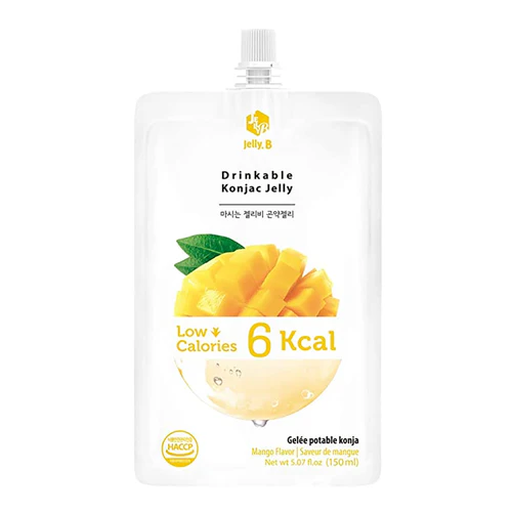
Why it suits this profile: The squeeze pouch is practical for work, travel or a lunchbox. The stated product information describes it as gluten-free, halal and suitable for storing without refrigeration before opening.
The product details make it clear that this is one 150 ml pouch. This makes it less likely that you will mistake the box shown in the image for the actual purchase.
150 ml, 3 kcal and 0 grams of sugar per 100 ml according to the label; mango, konjac and sweeteners are listed in the ingredients.
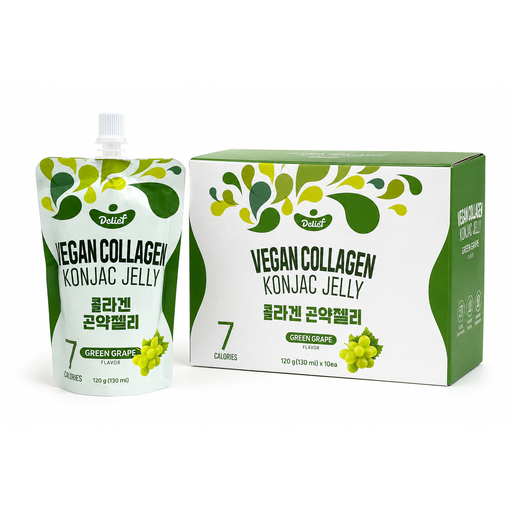
Why it suits this profile: This multipack is ideal if you want to keep several individual portions of green grape-flavoured jelly for different snacking occasions.
The nutritional information states 5 kcal and 0 grams of sugar per 100 grams. The ingredients include erythritol and sucralose, making the choice of sweeteners transparent.
10 portions of 120 grams, 5 kcal and 0 grams of fat per 100 grams; the product information lists no allergens.
We have put together a complete, up-to-date list of products that fully meet these strict selection criteria and the applicable European safety regulations.
Konjac jelly uses konjac powder as part of the gelling agent and often has an elastic, chewy texture. Ordinary fruit jelly may, for example, be based on carrageenan or other gelling agents. The difference in calories and sugar depends on the complete recipe, not just the name.
No. Check the allergens and ingredients for each product. Lychee pudding may contain milk, mochi may contain soya and Chinese rice balls may contain wheat. Products such as DELIEF are presented as vegan in the product information, but always check the current packaging and any certification marks when buying.
The best-before date is shown on the packaging. Unopened jelly products are generally stored according to the stated storage conditions. After opening, follow the instructions; some products need to be refrigerated and consumed within a few days. Mochi may also need to be refrigerated after opening. With frozen desserts, maintaining the cold chain is important: store them immediately at the stated temperature and do not refreeze products that have thawed.
