
Vandaag of morgen in huis

Kwaliteit gegarandeerd

Welkomstaanbiedingen ontgrendelen: GRATIS bezorging | Tot 80% korting | Gratis 30 dagen JoyPlus-proefperiode
Download de app
When you buy Asian snacks and desserts online, you’ll soon come across a wide range of mochi, dorayaki, taiyaki, baumkuchen and rice cakes. The packaging often looks appealing, but flavours, storage requirements and ingredients can vary considerably. Use these practical checks to avoid a disappointing purchase and choose more confidently between Japanese, Korean and Chinese snacks.
Terms such as “traditional”, “authentic” or “premium” don’t automatically tell you what to expect. Check the type of filling, the texture and the country of origin. Red bean cakes, dorayaki and taiyaki, for example, often contain azuki beans, but the proportions of cake, batter and filling vary from one product to another.
Mochi can be soft and elastic, while baumkuchen has a light, layered texture. If you’re expecting a chewy snack but order a cake, you may be disappointed.
Not all ready-to-eat Asian desserts can be eaten straight away. A frozen product, such as some taiyaki or Chinese rice cakes, needs to stay frozen and be heated before eating. A product stored at room temperature usually just needs to be opened and served.
Check the storage temperature, preparation instructions and use-by information on the packaging. For frozen products, don’t refreeze after defrosting unless the label explicitly says you can.
Many sweet Asian treats contain wheat, egg, milk, soya or nuts. Rice cakes aren’t always allergen-free either: fillings, sauces or production facilities may involve other ingredients. Always check the full ingredients list and allergen information.
Pay attention to portion sizes too. A small individually wrapped cake can be convenient, but it’s best to compare nutritional information both per 100g and per serving. Salt content is also worth checking in plum snacks. For example, the UME HOUSE Tangerine Peel Flavor Plum product information lists 3,820 mg of sodium per 100g.
Start by choosing something to suit the occasion:
Individual wrapping is handy for work, school, travel or portion control. Yuki & Love Mini Dorayaki Red Bean comes in small portions, making it easy to take with you. According to the product information, Aji Dorayaki Red Bean comes as 16 packs in a 200g box.
A larger pack may be a better choice if you’re sharing with others. Check whether it contains individual portions and how soon the product needs to be eaten after opening.
Check at least the following:
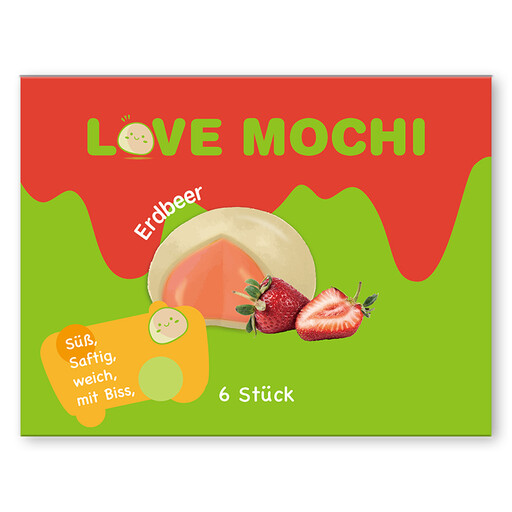
Why it suits this profile: An easy choice if you’d like to try mochi without any preparation. The strawberry filling and 180g portion make it a good introduction.
The product information clearly states the flavour, storage method and ingredients. That means you don’t have to rely on the packaging alone.
Soft, chewy texture, strawberry flavour, individually wrapped and, according to the stated allergen information, no allergens listed.
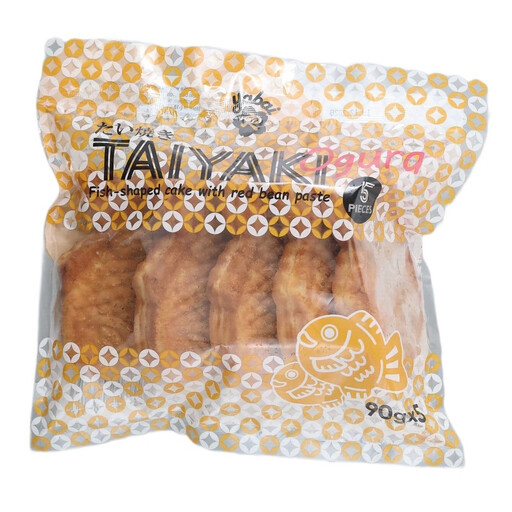
Why it suits this profile: A good option if portion sizes and preparation matter to you. The pack contains five 90g pieces, and the product information lists Japan as the country of origin.
The storage instructions make it clear that this is a frozen dessert. You can see in advance that you’ll need freezer space and will have to prepare it before eating.
Five individual taiyaki, adzuki filling, a total weight of 450g and clear allergen information for wheat and soya.
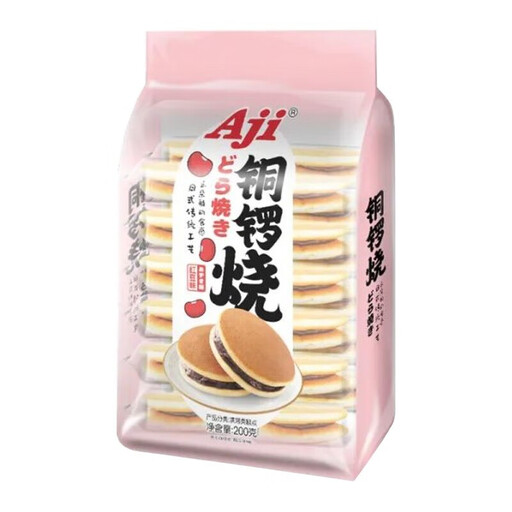
Why it suits this profile: Handy for households, office supplies or occasions when you want several small portions. According to the product information, the box contains 16 packs.
Individual wrapping limits exposure after opening. Do check the ingredients, though: the product contains wheat, soya and milk powder, among other ingredients.
Red bean filling, 16 individually portioned packs and a format that’s easy to share or take with you.
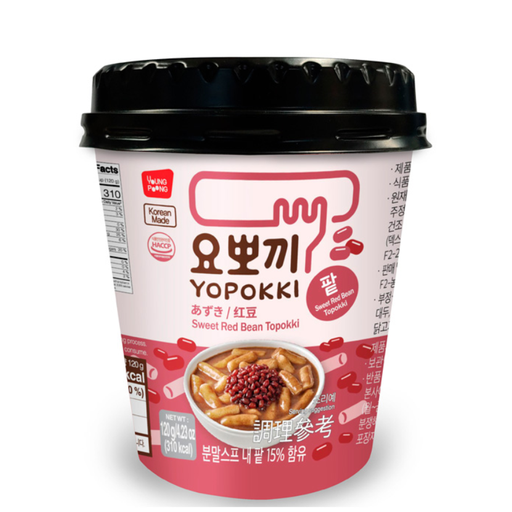
Why it suits this profile: A quick rice cake dessert that doesn’t need steaming. According to the product information, the cup is prepared in the microwave.
The packaging gives the preparation time and serving size. So you’ll know in advance that this isn’t a snack you can eat straight from the pack.
120g per cup, red bean sauce, soft rice cake and preparation in just a few minutes according to the product information.
We’ve put together a full, up-to-date list of products that meet these strict selection criteria and the applicable European safety requirements.
Strawberry mochi, mini red bean dorayaki and soft baumkuchen are approachable options. They’re usually ready to eat and have familiar cake, fruit or sweet flavours. If you’d prefer to try something sweet and sour, consider an individually wrapped plum snack.
It depends on the product. Always check the date on the packaging and the storage instructions. Dry, individually wrapped snacks are often suitable for storing in the cupboard, while taiyaki and some rice cakes need to be kept in the freezer. Once opened, their quality may change more quickly, especially for soft cakes and mochi.
Not necessarily. Dorayaki, baumkuchen and castella often contain wheat and egg; some products also contain milk or soya. Check the allergens on the label and look out for warnings about possible traces. If in doubt, follow the information on the product packaging.
