
Vandaag of morgen in huis

Kwaliteit gegarandeerd

Welkomstaanbiedingen ontgrendelen: GRATIS bezorging | Tot 80% korting | Gratis 30 dagen JoyPlus-proefperiode
Download de app
Buying Asian snacks and desserts may seem straightforward, but the differences between products can be substantial. Soft mochi, Taiwanese jelly, Chinese biscuits and traditional Chinese desserts each require different storage and serving methods. Attractive packaging also tells you little about ingredients, allergens or serving sizes.
Three common pitfalls are:
For consumers in the Netherlands, clear allergen information is important. Pay particular attention to cereals containing gluten, milk, eggs, soya, peanuts, nuts, sesame and sulphites. These ingredients are frequently found in Asian biscuits, pineapple cake, sachima and sesame snacks.
Also check whether a product contains sweeteners. For example, the Daoxiangcun Sachima product information states that it contains polyols and sweeteners. That does not automatically make it suitable for everyone. If you are sensitive to certain ingredients, read the packaging and product information carefully.
Brand claims should be considered in the right context. According to Haoxiangni’s own product information, the red date black sesame balls contain simple ingredients such as black sesame, red dates, maltose syrup and honey. However, the traditional properties attributed to red dates and black sesame are not established medical effects. Assess the product as a snack based on its taste, ingredients and nutritional value.
The preparation method determines whether a product is suitable for eating on the go, with tea or as a dessert after a meal.
A long shelf life is only useful if the packaging is sealed properly after opening. Check the best-before date, storage temperature and instructions for after opening. Mochi can become harder in the fridge, for example; the Bestore product information instead recommends storing it in a cool, dry place and consuming it within 24 hours of opening.
The cold chain is particularly important for frozen products. Chinese rice balls should be stored at -18 °C or below and, according to the product information, must not be refrozen once thawed.

Why it suits this profile: The box contains three flavours and twelve individually wrapped mochi, so you can try different varieties or share them with tea.
The net weight, flavour breakdown and serving size are clearly stated. This tells you exactly what is in the gift box.
360 grams in total, three flavours and individual wrapping. Contains sesame; store in a cool, dry place.
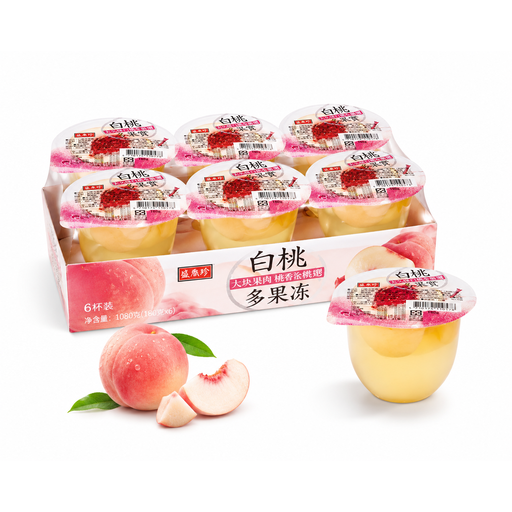
Why it suits this profile: If you are looking for a chilled dessert with a fruity flavour, you get six individual Taiwanese jelly cups containing pieces of white peach.
The quantity is clearly specified: six 180-gram cups with 8% white peach. This avoids confusion about fruit content and portion sizes.
1.08 kg in total, individual portions and suitable for serving chilled straight away.
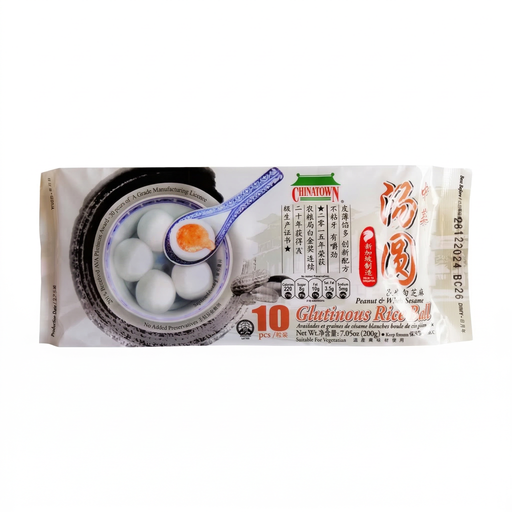
Why it suits this profile: This product is intended for anyone who wants to prepare traditional Chinese desserts at home, for example during the Lantern Festival or as a warm dessert.
The packaging clearly states that this is a raw frozen product. You therefore know that it must be cooked.
Peanut and sesame filling, prepared in boiling water and stored at -18 °C or below. Contains peanuts, sesame and wheat.
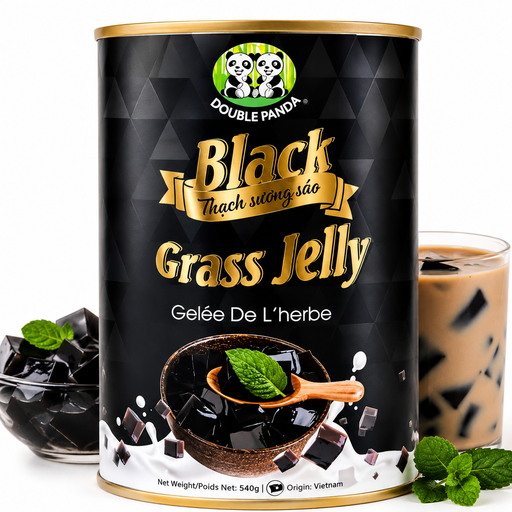
Why it suits this profile: Vietnamese grass jelly can be served chilled, added to milk tea or combined with fruit and other desserts.
The ingredients list is straightforward: Mesona extract, water, sugar and starch. The product information lists no allergens among these ingredients.
540 grams, ready to eat and suitable as a base for drinks, milk tea and desserts.
We have put together a complete, up-to-date list of products that fully meet these strict selection criteria and the applicable European safety regulations.
Popular choices include Japanese mochi, Chinese snacks such as sachima and sesame snacks, Taiwanese jelly and pineapple cake. Individually wrapped products are convenient for sharing. If you want to create a dessert, you can combine grass jelly with fruit, milk or tea.
This varies from product to product. Shelf-stable Asian biscuits, red date snacks and mochi should generally be stored in a cool, dry place away from direct sunlight. Jelly can be served chilled, but always follow the label instructions. Chinese rice balls should remain frozen at -18 °C or below. After opening, check the resealing instructions and the best-before date on the packaging.
Compare net weight, number of portions, ingredients, allergens, origin, preparation method and storage temperature. Also pay attention to the difference between “ready to eat” and “cook thoroughly first”. This will help you choose more confidently between a snack for eating on the go, a dessert for home or a gift to share.
