
Vandaag of morgen in huis

Kwaliteit gegarandeerd

Welkomstaanbiedingen ontgrendelen: GRATIS bezorging | Tot 80% korting | Gratis 30 dagen JoyPlus-proefperiode
Download de app
Buying Asian snacks may seem straightforward, but the differences between products can be significant. A bag of Chinese snacks may consist mainly of wheat gluten, while Korean snacks are often packaged in small portions. Japanese snacks, Thai snacks and spicy snacks also vary widely in flavour, allergens, shelf life and nutritional values.
Anyone who focuses only on eye-catching packaging or terms such as “plant-based” may choose a product that does not suit their diet, preferred portion size or intended occasion. Use these practical selection criteria to compare and order Asian snacks online more effectively.
Vegetarian snacks may contain ingredients such as egg, milk or other animal-derived components. Sauces, flavourings and processing aids may also be relevant to a plant-based diet. When buying vegetarian meat alternatives, tofu snacks or wheat-gluten-based snacks, it is therefore wise to check the ingredients list and allergen information on the packaging.
For example, dried tofu often consists mainly of soy, but seasoned varieties may also contain sugar, oil, flavour enhancers or preservatives. A product description is useful for an initial selection, but it does not replace the label.
A 200- or 400-gram package may seem appealing for a party, but opened snacks lose their crunch more quickly. Small portions are often more practical for eating on the go or trying different flavours. Pay attention to the net weight, the number of individual packs and the recommended storage method.
For example, a box containing 20 individual portions may be more convenient than one large bag, even if the price per kilogram is slightly higher.
“Spicy” can range from mildly seasoned to an intense chilli and Sichuan pepper profile. With products such as konjac snacks, vegetarian meat strips and pumpkin crisps, the seasoning blend determines much of the overall experience. Look for terms such as chilli, Sichuan pepper, wasabi, cumin, barbecue and durian in the ingredients list.
For unusual combinations, such as seaweed snacks with durian flavour, it is advisable to start with a small pack if you are not yet familiar with the taste.
Before purchasing, check at least the following:
The allergen information in the product details is helpful for an initial comparison. The current packaging remains decisive, as the ingredients or labelling may change.
Do not compare calories alone. Also look at:
A snack that is relatively high in protein may also contain a significant amount of salt. For example, Wuxianzhai Small Vegetarian Meat Cumin Flavor lists 23.5 grams of protein and 2.23 grams of salt per 100 grams. Laoli Five-Spice Dried Tofu lists 24.4 grams of protein and 2.5 grams of salt per 100 grams. This makes these products interesting for anyone monitoring their protein intake, but the salt content should also factor into your choice.
Also watch out for unclear units. Some product pages provide values per 100 grams, while the packaging consists of several small sachets. Convert the nutritional values to the amount you actually intend to eat.
Most shelf-stable Asian snacks are ready to eat, but this is not true of every product. Duca Mini Spring Roll is frozen and contains chicken, peanuts, egg, soy and wheat. Freshasia Mini Fried Dough Stick is a raw product made with wheat flour and must be thoroughly heated, for example in hotpot broth.
For frozen products, check:
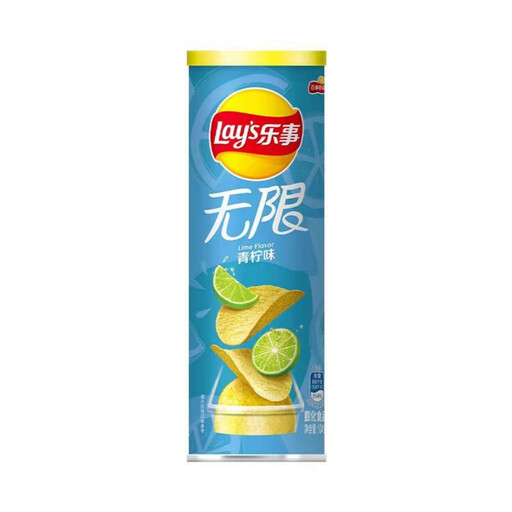
Why This Fits Their Persona: An accessible choice for anyone trying Asian snacks for the first time and looking for a familiar potato snack with a refreshing lime flavour.
The net weight is clearly stated, and the ingredients list explicitly identifies wheat and soy as allergens.
90 grams, ready to eat and, according to the product information, sourced from China.

Why This Fits Their Persona: Ideal for lovers of Korean snacks who want to serve small, crispy portions with a savoury sesame flavour.
The individual packaging limits exposure to air, so you do not need to open a large bag all at once.
The ingredients list seaweed, rapeseed oil, sesame oil and salt; sesame is identified as an allergen.

Why This Fits Their Persona: Convenient for regular fans of spicy Chinese snacks or anyone who wants to take individual snacks to work or on the go.
The pack contains 20 individual 18-gram portions, so you do not have to open everything at once.
Ready to eat, with konjac flour listed as an ingredient; soy and wheat are identified as allergens.
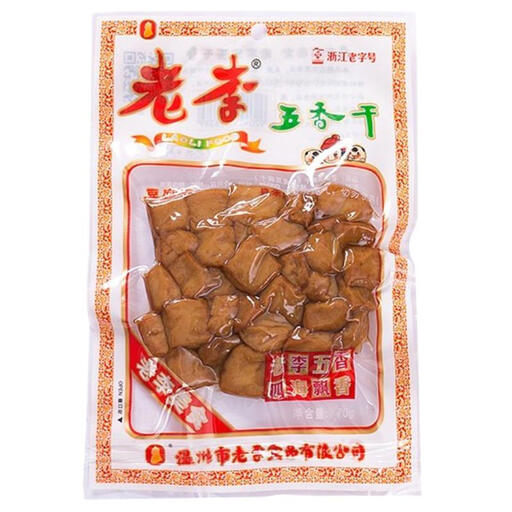
Why This Fits Their Persona: A compact tofu snack for vegetarians and flexitarians who appreciate a firm texture and five-spice profile.
The product information identifies soy as the base ingredient and states its proportion; however, check the current label before consuming it as part of a vegan diet.
70 grams, ready to eat and, according to the product information, containing 24.4 grams of protein per 100 grams.
Browse a current selection of products and compare ingredients, portion sizes, allergens and storage advice across the vegetarian food and snacks range.
Choose individual portions or packaging that can be resealed securely. Wei Long Konjac and small seaweed rolls are practical because you do not need to carry a large bag with you. In warm weather, pay attention to the storage instructions and only take frozen products with you if the cold chain can be maintained.
It depends on the product. Bikano Aloo Bhujia Mix is described as suitable for vegetarians in the product information. Wuxianzhai snacks, tofu snacks and some seaweed products are likewise described as vegetarian, but always check the current label. “Plant-based” or “vegetarian” does not automatically mean vegan.
Shelf-stable snacks should generally be stored in a cool, dry place away from direct sunlight. Seal opened bags securely and consume the snacks according to the packaging instructions. Seaweed snacks lose their crunch especially quickly when exposed to moisture. Frozen products should remain frozen until use and, according to the product information, must not be refrozen after thawing.
