
Vandaag of morgen in huis

Kwaliteit gegarandeerd

Welkomstaanbiedingen ontgrendelen: GRATIS bezorging | Tot 80% korting | Gratis 30 dagen JoyPlus-proefperiode
Download de app
Fancy a soft Japanese cake, Chinese pastries or a fruity pineapple cake? The range of Asian snacks and pastries is vast: from mochi pastries and baumkuchen to biscuits, meat floss cake and puff pastry. Yet an eye-catching packet doesn't always tell you everything about flavour, portion size or how easy it is to store.
When ordering online, these are the main pitfalls to watch out for:
Always read the full product details for each item. Don't just look for familiar ingredients like strawberry, pineapple or milk – also watch out for flavourings, vegetable oils, glucose syrup and sweeteners.
In a Japanese cake such as castella, egg, sugar and wheat flour are often key components. According to the product information, the Sakuraseika Amaou Strawberry Castella contains egg, wheat flour, strawberry purée, honey and vegetable oil, among other ingredients. This product contains egg and wheat as allergens.
Chinese pastries may also contain soya, milk, peanuts and nuts. The Yanghang Walnut Cookie lists walnuts, peanuts, soya and milk in its ingredients. That makes the packaging and allergen information particularly important, especially if you're planning to give the snacks as a gift.
For a snack on the go, individually wrapped snacks are very practical. You only open what you need, and the rest is easier to store. The Sakuraseika Amaou Strawberry Castella comes with three individually wrapped pieces in a 105g box. The Hokkaido Milk Cake also contains three pieces, with a total weight of 112g.
For visitors or a tea-time gathering with several people, a larger pack may make more sense. The Youchen Meat Floss Cake Original Flavour is available in a 525g pack. If you'd like to try different flavours, a box of four mochi pastries, each weighing 50g, could be a handy choice.
Also pay attention to how the product should be stored after opening. Many dry biscuits and cakes need to be kept tightly sealed. Chilled products will need space in your fridge straight away.
Nutritional values are usually given per 100g. That makes comparisons possible, but the actual portion may be smaller or larger. For example, an 80g baumkuchen is eaten as one portion, whereas a larger pack contains several pieces.
With puff pastry, be sure to read the instructions carefully. Koopmans Puff Pastry Original and Puff Pastry Butter must be kept frozen and fully heated through. The pastry is not intended to be eaten raw. According to the product information, the butter version contains 23% butter and comes in ten pre-cut sheets, each in a practical baking shape.
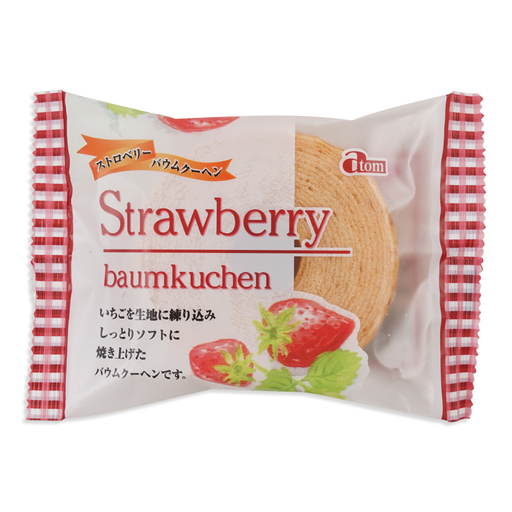
Why this suits the profile: A compact portion to try baumkuchen for the first time, without committing to a large pack. The product information describes a soft, layered cake with strawberry flavour.
The 80g weight and allergen information are clearly stated. This keeps the portion choice straightforward.
80g; wheat, egg and milk listed as allergens; suitable with tea or as a sweet snack.
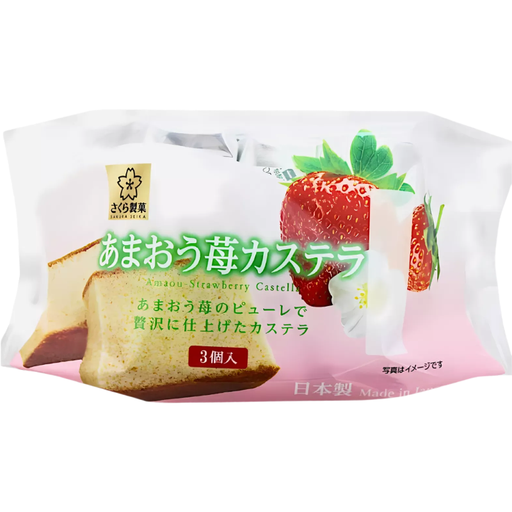
Why this suits the profile: This Japanese castella is divided into three individually wrapped pieces. It's ideal for a special tea-time moment or as a small gift.
The product information states both the number of portions and the need for chilled storage. Always check the date on the packaging too.
Three individually wrapped pieces; strawberry purée in the ingredients list; keep refrigerated.
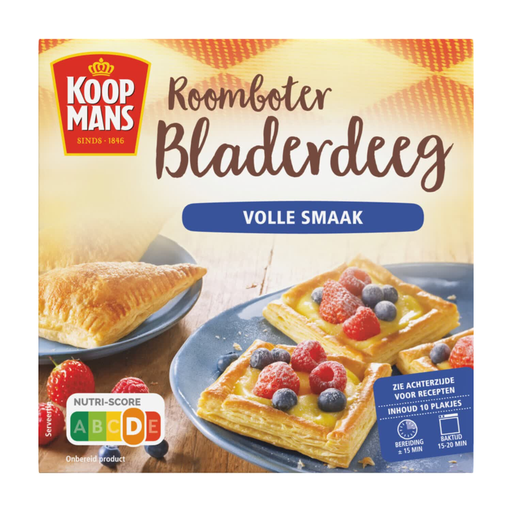
Why this suits the profile: For anyone who wants to make their own pineapple cakes, strawberry tarts, savoury bites or other puff pastry recipes. The pack contains ten pre-cut sheets.
The packaging and preparation instructions are clear: keep frozen, store in the fridge after thawing and do not refreeze.
450g; ten pre-cut sheets; 23% butter according to the product information; suitable for both sweet and savoury preparations.
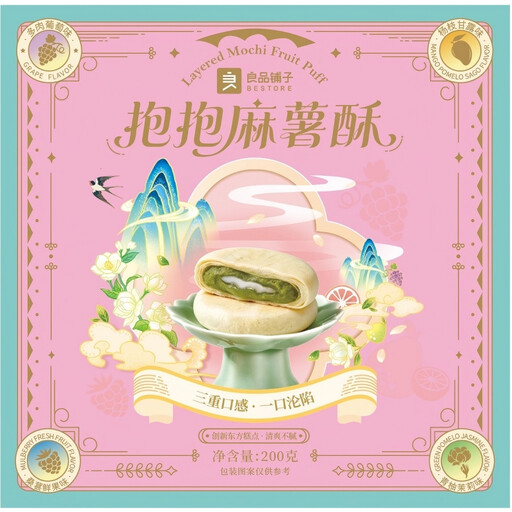
Why this suits the profile: This box contains four flavours: mango-pomelo, pomelo-jasmine, grape and mulberry. The individual wrappers make them ideal for sharing or giving as a gift.
The four flavours and the 200g weight are clearly specified. The product contains milk, soya and wheat; check the sweeteners and warnings on the label.
Four portions of 50g each; several fruit varieties; individually wrapped; ideal with tea.
We've put together a full, up-to-date list of products that fully meet these strict selection criteria and comply with current European safety regulations.
It varies by product. Castella and some milk cake products need to be kept in the fridge. Baumkuchen, biscuits and sachima are usually fine in a cool, dry place. Puff pastry belongs in the freezer. Always follow the temperature and best-before instructions on the packaging.
Baumkuchen is made up of thin layers built up around each other. This gives the cake its distinctive ring-like structure. The texture can be soft and moist, as with the Strawberry Baum and Atom Japanese Banana Baum Cake. A regular fruit cake usually has an even cake batter with pieces or filling mixed in.
Some are. Examples include castella, milk cake, mochi pastries, some meat floss cakes and HSU FU CHI Pineapple Cake with eight small sachets. Check the number of individual wrappers, as this determines how easy the product is to take with you, share and store after opening.
