
Vandaag of morgen in huis

Kwaliteit gegarandeerd

Welkomstaanbiedingen ontgrendelen: GRATIS bezorging | Tot 80% korting | Gratis 30 dagen JoyPlus-proefperiode
Download de app
Fancy some Asian snacks, but struggling to work out which ones suit you among all the flavours, packaging and product claims? Dutch online shops offer everything from mochi, Chinese snacks and Taiwanese treats to rice cakes, biscuits and Asian desserts. The differences are not just about flavour. Allergens, storage and preparation methods also determine whether a product is practical for home, the office or as a gift.
As a Joybuy Product Recommendation Officer, I filter product information for practical details. This means you can compare more than just marketing copy and check key facts such as contents, ingredients, nutritional values and storage instructions.
The name mochi usually refers to a soft, stretchy snack made with glutinous rice flour. However, the filling can vary considerably. One pack may contain fruit paste, while another has milk tea, taro or red bean filling. The country of origin is not automatically Japan either: some products are Taiwanese-style or made in China.
That is why you should check the product description, country of origin and ingredients list. A product with a Japanese style or Japanese flavour is not necessarily made in Japan.
Mochi with no explicitly listed allergens may seem appealing, but many other Asian treats commonly contain wheat, soya, milk, egg, peanuts or sesame. Gluten is an important consideration in mung bean cake and biscuits, for example. Mixed mochi products may list several allergens or possible traces.
Always read the allergen information on the product page and check the packaging when your order arrives. Recipes and labels can change.
Many sweet snacks are ready to eat, but that does not mean you can store an opened pack indefinitely. Some products need to be kept in a cool, dry place, while frozen rice cake must remain at -18 °C or below. A change in texture after opening is normal for products made with glutinous rice, syrup or fruit filling.
Pay attention to the best-before date, storage temperature and instructions for after opening. If you are planning a snack break, individually wrapped products are often more practical.
Start with the main ingredient and the filling. Mochi is often made with glutinous rice flour, sugar, maltose or modified starch. The filling may contain fruit paste, taro, red beans, milk powder or cocoa.
Also look out for:
A product containing maltitol, sorbitol or trehalose has a different composition from a snack sweetened mainly with sugar. If you want to avoid certain ingredients, it is best to read the full label rather than relying on the flavour name alone.
For eating on the go or at the office, soft snacks that are ready to eat are the easiest option. Individual wrappers also make portioning and sharing easier. Fruit mochi, bubble tea mochi and small cake packs are good examples.
Frozen rice cake requires more planning. TCT Glutinous Rice Cake with taro or brown sugar filling needs to be steamed or heated briefly in the microwave. Check the texture after preparation and eat the product immediately. This type of rice cake is better suited to enjoying at home as a dessert than taking in your bag as a snack.
A large pack is not always better value if you want to try several flavours. Compare the net weight instead: for example, 180 g of mochi, 240 g of bubble tea mochi, 96 g of cake or 72 g of biscuits.
Nutritional values are usually listed per 100 grams. This makes comparisons easier, although an individual serving may be smaller. Across the products mentioned, energy and sugar levels vary. Do not look at sugar alone: fat, salt, allergens and the number of individual portions may also be relevant to your choice.
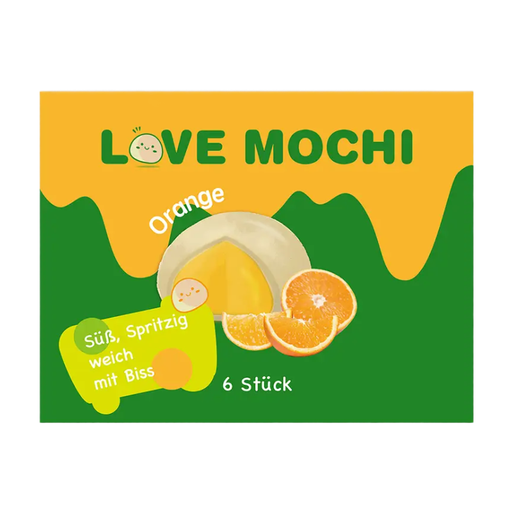
Why it suits this profile: An approachable fruit variety with 180 g of product and individually wrapped mochi. A convenient way to try Japanese mochi while keeping it easy to store and share.
The flavour, contents and storage instructions are clearly stated. The individual portions mean you do not have to open the whole bag at once.
180 g net weight, soft rice cake with orange filling and, according to the information provided, no listed allergens.
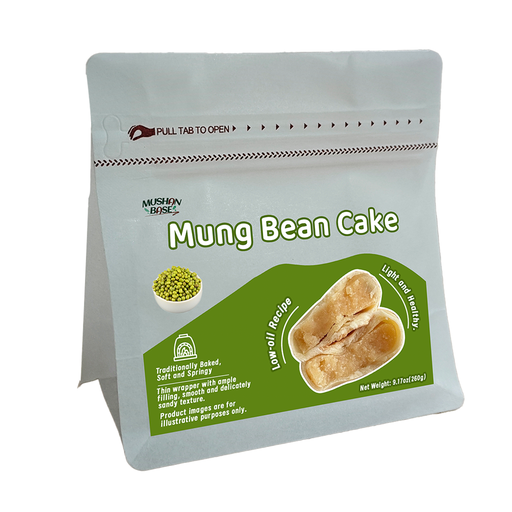
Why it suits this profile: This Chinese snack is ideal for anyone looking for a more traditional flavour to enjoy with tea. The soft cake made with peeled mung beans is a change from fruity mochi.
The product information lists the ingredients, nutritional values, 260 g contents and the fact that the snack is ready to eat.
260 g pack, ideal with tea, with a clearly stated allergy to gluten from wheat.
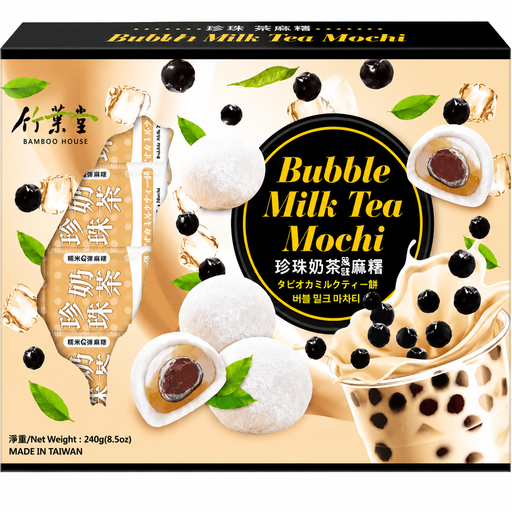
Why it suits this profile: For bubble tea fans who want to try a distinctive milk tea and red bean filling. The 240 g pack is well suited to sharing or enjoying over several snack breaks.
The filling and composition are specified. If you have allergies, check the milk powder and other ingredients present before buying.
240 g contents, ready to eat and a recognisable bubble tea profile with milk tea, black tea and red beans.
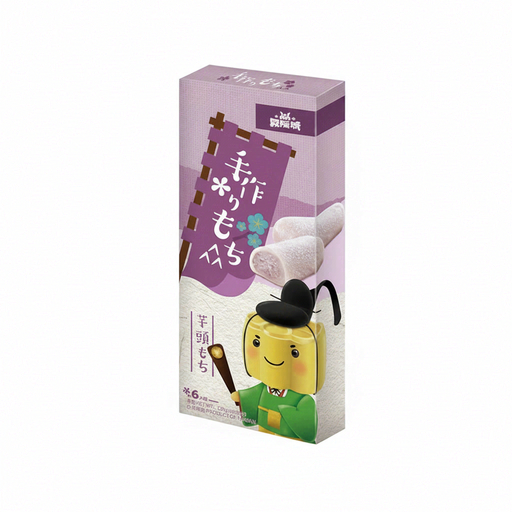
Why it suits this profile: The taro filling, soft texture and individually wrapped pieces make this Taiwanese-style snack ideal for a dessert platter, afternoon tea or gift hamper.
The product information states the origin, filling, texture and individual packaging, so you know what to expect before ordering.
180 g contents, taro paste filling and individually wrapped mochi for sharing or giving as a gift.
We have put together a complete, up-to-date list of products that fully meet these strict selection criteria and the applicable European safety regulations.
Mochi is generally a soft, stretchy rice cake made with glutinous rice flour, often with a sweet filling. The term rice cake is broader and can also include products that need to be steamed or heated. Always check whether the snack is ready to eat or needs to be prepared first.
Follow the instructions on the packaging. Many shelf-stable mochi products and biscuits should be stored in a cool, dry place away from direct sunlight. The texture may change after opening, and some products need to be eaten quickly. Frozen rice cake should be kept at -18 °C or below and must not be refrozen once thawed.
That depends on your taste. Mung bean cake has a soft, lightly sweet texture. Fruit mochi offers a refreshing filling, while bubble tea mochi and taro mochi have a richer dessert profile. If you prefer a crunchy snack, you could choose Chinese biscuits or chocolate biscuits. Compare the contents and allergens before ordering.
