
Vandaag of morgen in huis

Kwaliteit gegarandeerd

Welkomstaanbiedingen ontgrendelen: GRATIS bezorging | Tot 80% korting | Gratis 30 dagen JoyPlus-proefperiode
Download de app
Buying Asian snacks in the Netherlands may seem straightforward, but the range varies considerably in flavour, size, shelf life and preparation. A soft mochi, for example, offers a very different eating experience from a crispy Chinese cake. Not all products are ready to eat either: some mooncakes need to be heated, while Korean rice cakes must first be cooked as part of a dish.
So do not rely solely on the packaging or appealing product photos. Pay particular attention to the ingredients, allergens, storage instructions and quantity. This helps you avoid buying a large pack that does not suit your needs, or a snack that cannot be stored safely.
Asian gift sets and Mid-Autumn Festival snacks are often sold in attractive boxes. This makes them suitable as gifts, but you should also check the net weight, number of pieces and size per piece. A box with four large mooncakes is very different from an assortment containing eight small portions.
Product names can create expectations about texture and use. Check whether a snack is ready to eat, needs to be kept chilled or must be heated first. The Wu Fang Zhai mooncakes, for example, are frozen and must be heated through in an oven or air fryer. This is a different eating occasion from a mochi or dorayaki that can be eaten straight away.
Japanese cakes, Chinese snacks and Korean rice cakes do not automatically contain the same ingredients. Many cakes contain wheat, egg, milk or soya. Some products also contain peanuts, nuts, sesame or sulphites. Bestore Baobao Mochi, for example, lists milk, wheat and soya and contains maltitol. According to the product information, excessive consumption of maltitol may have a laxative effect.
If you have an allergy, always read the current label on the packaging. Online product information may change, and cross-contamination can vary between production sites.
Individually wrapped cakes are convenient with coffee or tea. Consider baumkuchen, castella, dorayaki or a small Japanese cake. If you want to share snacks at a party, packs containing multiple portions or a gift box are more practical.
For a meal or savoury snack, Korean rice cakes are a better choice. A+ Chopped Rice Cake consists of 98.9% rice and must be rinsed and cooked with ingredients such as gochujang, vegetables or fish cakes. This is therefore not a sweet snack to eat straight from the pack.
Do not just compare the price per pack. Also look at the price per 100 grams and the number of individually wrapped portions. Sachima is available in a 526-gram pack, while an Atom baumkuchen weighs 80 grams. A large format is useful for sharing, but less suitable if you only want to try a few portions.
Nutritional values also make it easier to compare products. Many Asian sweet treats contain relatively high levels of carbohydrates and sugars. Use the nutrition table as comparison information, not as a health claim.
For example, Sakuraseika Amaou Strawberry Castella should be stored in the fridge. The product information also states that it should be eaten within the specified period after opening. This makes this Japanese snack less suitable for long-term storage in a cupboard.
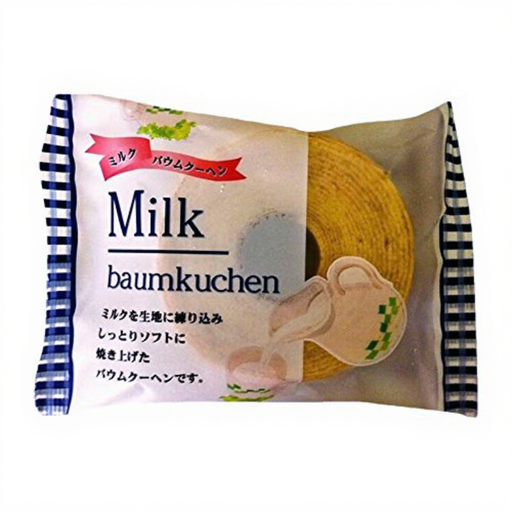
Why it suits this profile: A compact Japanese cake for discovering baumkuchen without immediately buying a large pack.
The 80-gram weight and individually wrapped format make the quantity clear and help reduce waste after opening.
Ring-shaped layered cake with a milky flavour; according to the product information, made without artificial colourings or preservatives. Contains wheat, egg, milk and soya.
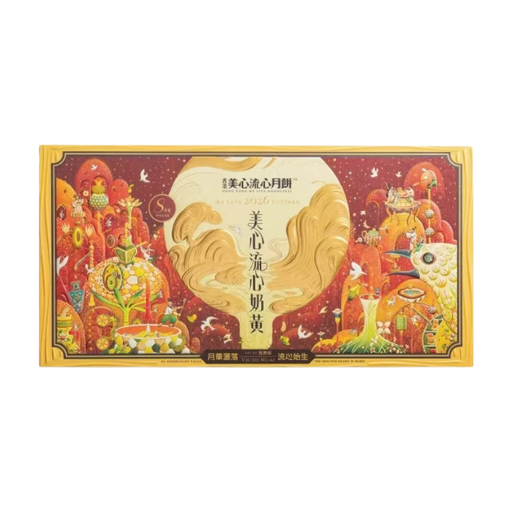
Why it suits this profile: Ideal for anyone buying mooncakes for a celebratory tea gathering, the Mid-Autumn Festival or as a gift.
The packaging states that it contains 8 pieces weighing 45 grams each, with clear instructions for serving without heating or warming briefly.
Custard filling with salted egg yolk according to the product description; ready to eat and ideal with tea. Contains gluten, egg, milk and soya.
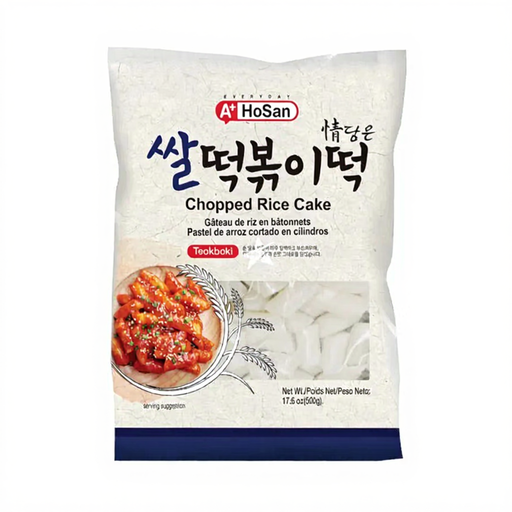
Why it suits this profile: For fans of Korean rice cakes who want to prepare tteokbokki or other hot dishes themselves.
The preparation method is clearly explained: rinse, add water and cook with sauce and ingredients of your choice.
500 grams, 98.9% rice and, according to the product information, none of the 14 main EU allergens.
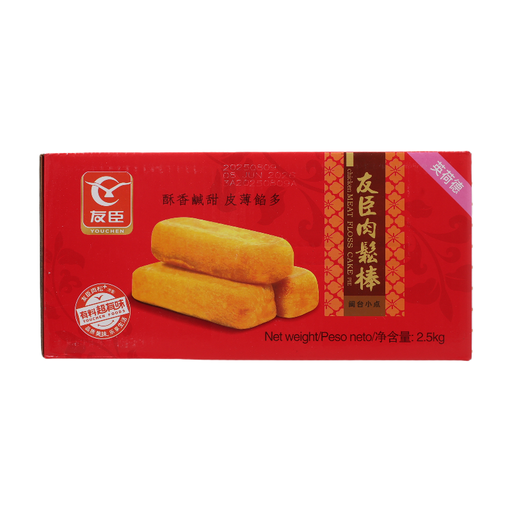
Why it suits this profile: A large format for sharing, office supplies or gatherings with several fans of savoury Chinese snacks.
The large net weight and individually wrapped format make it suitable for group use without having to open one large bag.
Ready to eat, with at least 15% chicken filling according to the product information. Contains wheat and soya.
We have put together a complete, up-to-date list of products that fully meet these strict selection criteria and the applicable European safety regulations.
Soft cakes and small pastries are ideal for a relaxed coffee break. Japanese castella, baumkuchen, dorayaki and Chinese sachima can be served straight away when the packaging says so. If the cake needs to be chilled, check the storage instructions first. Individually wrapped portions are convenient when serving an assortment to share.
Check the number of pieces, the weight of each mooncake, the filling and the storage method. Some mooncakes are ready to eat, while savoury frozen varieties must be heated first. Also check for allergens such as wheat, egg, milk, soya, peanuts and nuts. For the Mid-Autumn Festival, a gift box and individual packaging are convenient, but they do not automatically determine the flavour or quality.
It varies from product to product. Always follow the date and instructions on the packaging. Dry cakes and sachima can often be stored in a cool, dry place, while some Japanese cake products must be kept chilled. Once opened, it is usually best to consume them quickly. With large packs, therefore, pay attention to the number of portions and whether each piece can be sealed separately.
