
Vandaag of morgen in huis

Kwaliteit gegarandeerd

Welkomstaanbiedingen ontgrendelen: GRATIS bezorging | Tot 80% korting | Gratis 30 dagen JoyPlus-proefperiode
Download de app
Fancy Japanese mochi, nata de coco pudding or other Asian sweet treats? The choice online is vast, but product photos don’t always tell the full story. A soft texture, for example, could mean a product needs to be chilled, while a colourful packet says little about ingredients, portion size or allergens.
So it’s worth paying attention to three common pitfalls:
Confusing storage with serving
Some desserts can be kept outside the fridge when unopened, but must be chilled after opening. Other products, such as frozen rice balls, need to stay frozen at all times.
Marketing around flavour and origin
Terms like “authentic”, “premium” or “healthy” aren’t enough to judge a product. Look at the ingredients list, the country of origin, the nutritional information and the preparation method.
Misjudging portions and usage
Individual cups are handy for on the go, whereas a larger pack is better for sharing with family. For homemade desserts, the contents, material and temperature limits also play an important role.
Japanese treats like mochi often use glutinous rice flour. That gives them their characteristic soft, chewy texture. But do check whether soya, milk, egg, wheat or nuts are also present, or are handled in the same factory.
Examples:
Always read the label on the delivered packaging. Recipes and allergen information can vary between variants.
A long shelf life doesn’t mean a product can be stored anywhere. Pay attention to the difference between unopened, after opening, chilled and frozen.
Also check that the seal is intact and that the date on the packaging is still valid.
If you’re after a quick snack, individually wrapped mochi, fruity snacks or mini cakes are a better choice. For a dessert table, nata de coco cups, ramekins for desserts or larger packs are more practical.
Also consider:
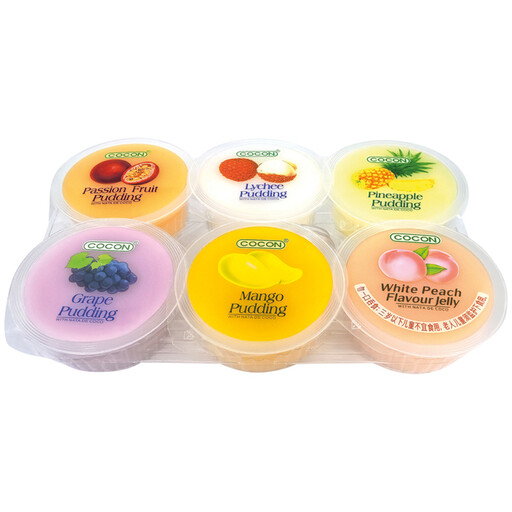
Why it fits this profile: The pack usually contains six individual cups, so you can try several flavours without having to prepare a large dessert.
The individual portions make storage and serving straightforward. After opening, the cup must be kept chilled according to the product information.
480 grams total weight, multiple fruit flavours and nata de coco pieces for a soft pudding with a firm bite.
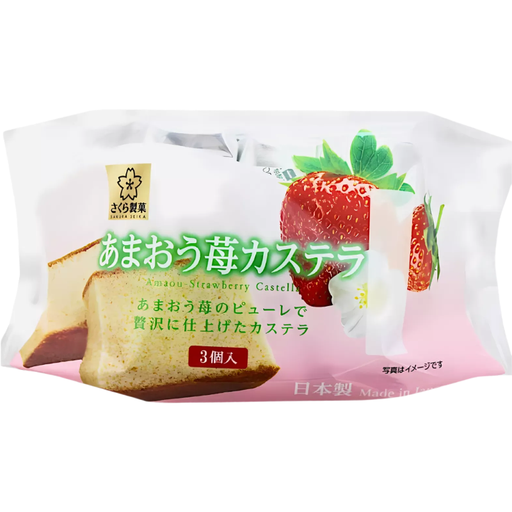
Why it fits this profile: This Japanese cake is individually wrapped and combines a soft sponge with Amaou strawberry flavour.
The three separate pieces limit exposure after opening. The cake does need to be stored chilled; also check for the presence of egg and wheat.
105 grams per pack, individually wrapped and with a soft texture and fruity flavour.
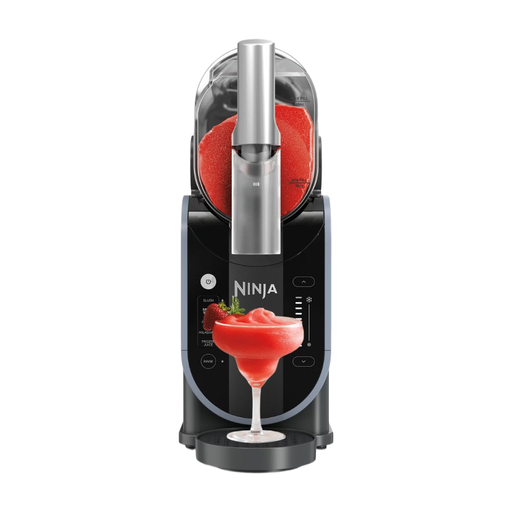
Why it fits this profile: For anyone who regularly wants to make Asian drinks, fruity slushies or chilled desserts at home without adding ice cubes beforehand.
The machine has five programmes and a 1.89-litre reservoir. Bear in mind a preparation time of 15 to 60 minutes and the requirement that the drink must contain sugar.
200 watts of power, five presets and a compressor that chills the drink without needing loose ice cubes.
For homemade desserts, ceramic ramekins for desserts are practical. The DAFUCERAMIC set consists of six dishes of 8 fluid ounces. According to the product information, they are suitable for oven, microwave, freezer and dishwasher. Avoid sudden temperature changes and do not use them on an open flame.
If you want to try different flavours, you can choose from Japanese mochi with fruit, azuki beans or orange, Chinese desserts such as coconut rice balls, and Turkish sweets like cherry gummies. With sticky products, pay attention to the texture: mochi and konjac jelly are not equally easy for everyone to chew. Serve small portions and supervise young children.
We’ve put together a full, up-to-date list of products that fully meet these strict selection criteria and comply with current European safety regulations.
Not always. Unopened cups can usually be stored in a cool, dry place according to the product information. After opening, they should be kept in the fridge and eaten within the stated period. Always check the label.
That depends on the product and the child’s age. Mochi can be soft and sticky, so young children need extra supervision. Check the allergens, cut the product into small pieces if appropriate, and follow the age recommendations on the packaging.
That depends on the power, how long you use it and how many batches you make. The Ninja FS301EU has a power rating of 200 watts according to the product specification. The total cost also includes ingredients, cleaning and electricity. Making a larger batch can work out cheaper per portion than several small cycles.
