
Vandaag of morgen in huis

Kwaliteit gegarandeerd

Welkomstaanbiedingen ontgrendelen: GRATIS bezorging | Tot 80% korting | Gratis 30 dagen JoyPlus-proefperiode
Download de app
Anyone looking to buy Asian snacks online will quickly encounter hundreds of products featuring eye-catching packaging, bold flavour claims and terms such as “light”, “natural” or “traditional”. Yet an appealing product name does not always reveal enough about the ingredients, serving size or allergens.
As a Joybuy Product Recommendation Officer, I’ll help you compare products more efficiently with this guide. You’ll discover which specifications matter, which common pitfalls are easy to overlook and which snacks suit different occasions.
Vegetable crisps, seaweed snacks and sweet potato snacks often sound like a lighter alternative to conventional crisps. Always check the nutritional values per 100 grams. Oil, sugar and seasoning can make some vegetable crisps comparable to potato crisps in terms of calories.
For example, according to the product information, MUSHAN BASE Mixed Fruit and Vegetable Crisps contain 469 kcal and 16.1 grams of fat per 100 grams. The snack includes purple sweet potato, banana, taro, apple and carrot, among other ingredients, but remains a crisp product made with added palm oil and maltose.
The intensity of spicy snacks, pickled vegetables and seaweed products can vary considerably. Check the ingredients list for chilli, Sichuan pepper, wasabi and flavour enhancers.
According to the listed nutritional information, Bestore Kelp Knots Spicy contain 8.5 grams of salt per 100 grams. This makes them a product to portion mindfully, despite their low energy value of 92 kcal per 100 grams.
Product information and packaging can change for imported Korean snacks, Chinese snacks and Japanese snacks. Before consuming a product, always check the physical label for:
The online product page is a useful reference, but it does not replace the label. This is particularly important in cases of food allergies or when following a diet that limits salt, sugar or certain additives.
Start with the first few ingredients. They are generally listed in descending order by quantity. For snacks containing potato, taro or sweet potato, you’ll want to know how much of each ingredient is actually present.
Also look out for common allergens such as:
A product labelled “no artificial colours” may still contain oil, sugar, flavour enhancers or preservatives. Assess the complete ingredients list.
Do not compare calories alone. Also check fat, saturates, carbohydrates, sugars and salt. A small 20- or 25-gram bag may seem modest, but a 150- or 500-gram pack is intended for multiple snack occasions.
Examples from the range:
These figures show why “natural” or “made from vegetables” is no substitute for reading the nutrition table.
Crisp products such as Japanese snacks, vegetable crisps and rice crackers lose their texture more quickly after opening. A resealable bag or individually portioned packaging can therefore be more practical than a large pack.
Small 20- to 75-gram packs are convenient for eating on the go. For sharing at drinks or with the family, formats of 150 to 500 grams are more suitable. Store opened snacks tightly sealed and follow the instructions on the packaging.
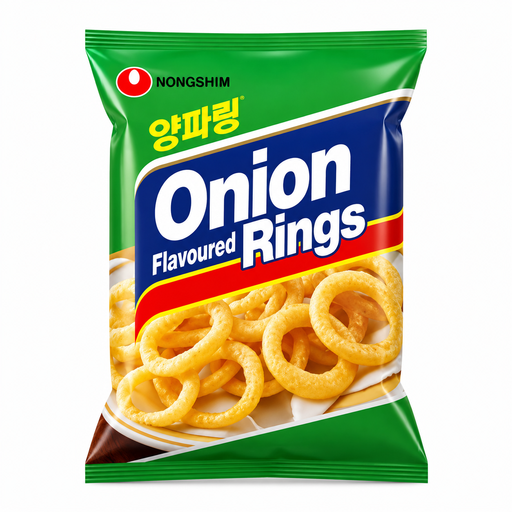
Why This Fits Their Persona: The small pack is ideal for trying a Korean snack for the first time, taking it to school or the office, and avoiding a large initial purchase.
The ingredients and nutritional values are clearly stated. However, check for wheat and possible traces of other allergens.
50 grams, a crisp ring-shaped texture and 23% onion according to the product information.

Why This Fits Their Persona: A practical choice for anyone seeking spicy, aromatic flavours and a firm, lightly chewy texture for eating on the go or enjoying during a film night.
The portions are individually packed. Note that the product contains soya and sulphites and, according to the listed table, has 3.1 grams of salt per 100 grams.
50 grams, ready to eat and 68 kcal per 100 grams according to the product information.
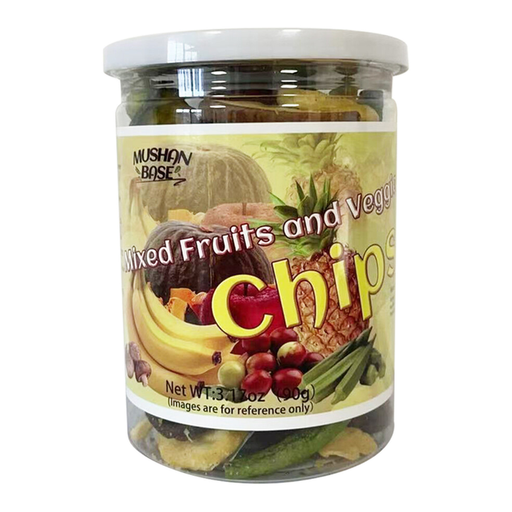
Why This Fits Their Persona: The mix of fruit and vegetables adds colour, flavour and variety to a sharing platter without opening several different bags.
The product description lists the ingredients used and the preparation method. However, compare the nutritional values with those of conventional crisps.
90 grams, including banana, taro, apple, carrot and purple sweet potato.
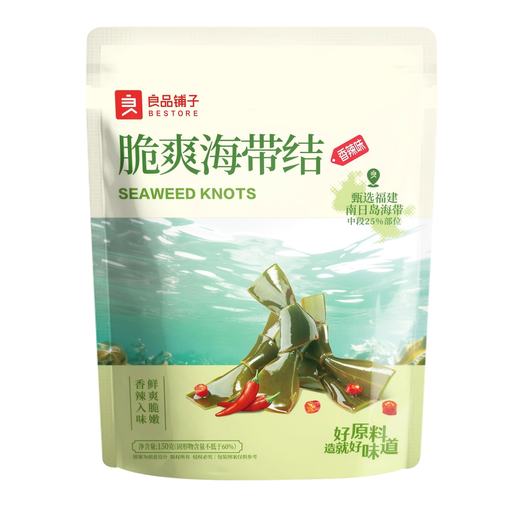
Why This Fits Their Persona: The larger pack with four to six sachets is well suited to an Asian-style drinks spread, a dinner or several smaller snack occasions.
The sachets help minimise waste. Pay particular attention to the high salt content and the allergens soya, wheat and sesame.
150 grams, ready to eat, with a soft chewy texture and aromatic kelp flavour.
For those who prefer a naturally sweet snack, Nongshim Dried Sweet Potato Snack 500 g is a large pack made with 100% sweet potato according to the product information. If you are looking for a crisp vegetable snack, consider Okra Chips 25 g or Broccoli Chips 20 g. For meals or sushi, Obento Pickled Radish Strip 350 g and dried seaweed products are more practical than conventional crisps.
If you specifically want to buy crisps online, you can also choose taro crisps, pumpkin crisps or potato sticks with tomato or honey-butter flavour. Focus on comparing the preparation method, oil, salt and serving size rather than the flavour name alone.
Browse a current selection of snacks and vegetable sticks with product information, pack sizes and a variety of flavour profiles.
Start with small packs and familiar flavours, such as onion rings, potato sticks or sweet potato. This allows you to compare different Korean snacks, Chinese snacks and Japanese snacks without immediately buying a large stock.
Not necessarily. Their nutritional value depends on the oil, sugar and seasoning used. Check the label per 100 grams. HAO BA SHI Konjac Snack lists 68 kcal per 100 grams, while some dried vegetable and potato snacks contain more than 500 kcal per 100 grams.
Store dry snacks in a cool, dry place away from direct sunlight. Seal the bag securely to preserve crispness. Products containing pickled vegetables, kelp or sauce should be refrigerated after opening and consumed promptly according to the label.
