
Vandaag of morgen in huis

Kwaliteit gegarandeerd

Welkomstaanbiedingen ontgrendelen: GRATIS bezorging | Tot 80% korting | Gratis 30 dagen JoyPlus-proefperiode
Download de app
When you buy Asian snacks and ingredients online, you’re often faced with plenty of choice, but not always enough clear information. A colourful packet or words like “natural” don’t tell you much about the ingredients, portion size or how to use them. This guide will help you compare products based on verifiable facts, so you can avoid purchases that don’t suit your kitchen or snacking occasion.
Terms like “healthy”, “pure” or “authentic” are no substitute for an ingredients list. Always check:
According to information from some brands themselves, product claims such as “no artificial preservatives” or “natural” may be part of their positioning. So make your judgement based on what’s actually on the label.
A 565 g tin of bamboo shoots might look generous, but some of that weight could be water. With snacks, the packaging can also be relatively light: a Korean seaweed snack of 3 x 4 g, for example, contains just 12 g of product. So compare the price per 100 grams, not just the price of the packet.
Dried fruit tastes intense because the water has been removed. That doesn’t automatically mean no sugar has been added. For instance, the MUSHAN BASE Dried Strawberry Slices list dried strawberries and sugar in their product information. The PHILIPPINE BRAND Dried Mango states mango, sugar and sulphites. If you want to avoid added sugars or certain additives, you need to read the full ingredients list.
The ingredients list should always be your guide for every product. Examples:
Always check the actual packaging when you receive it. Product information online can change, and the packaging may contain more details than a webpage.
Pay attention to the values per 100 g as well as the actual weight of the packet. A product that is low in fat could still be high in sugar; a snack with nuts or seeds might be relatively high in fat and salt. That doesn’t automatically make it unsuitable, but it does help you fit it into your diet.
For example: the Anatolia salted roasted pumpkin seeds list 579 kcal, 46 g fat and 3.5 g salt per 100 g. The Anatolia salted sunflower seeds list 50.31 g fat and 3 g salt per 100 g. These are practical figures for comparing flavours and portions.
Choose a product that matches how you’ll actually use it:
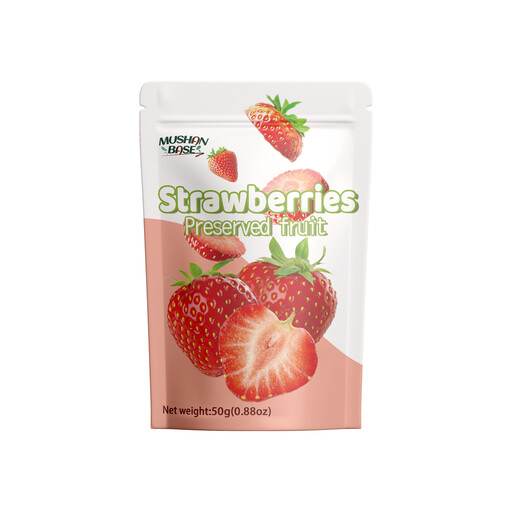
Why this fits the profile: A small pack is practical if you want to try dried fruit for the first time, or if you’re looking for a portion to take on the go, add to yoghurt or use in desserts.
The ingredients are clearly listed: dried strawberries and sugar. So you can see straight away what you’re buying.
50 g net weight; ready to eat; works as a topping or snack; 313 kcal and 57.4 g sugars per 100 g according to the product information.

Why this fits the profile: Ideal for shoppers who want a recognisable fruit flavour for snacking, breakfast, salads or baking recipes.
The product information explicitly mentions sugar and E223/sulphites. This means you can assess whether the ingredients suit your needs.
100 g pack according to the product name; can be used in yoghurt, muesli and desserts; mango is the main ingredient.
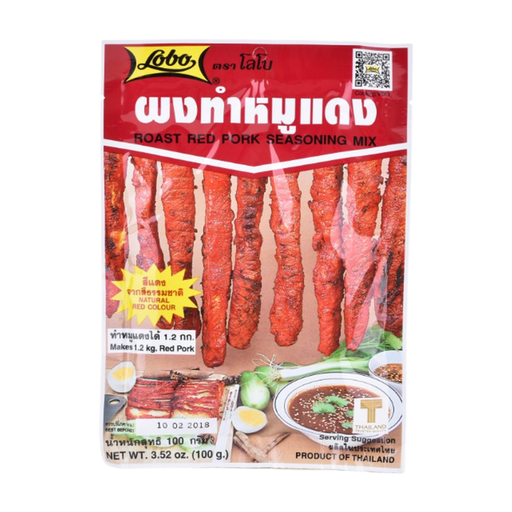
Why this fits the profile: Handy for home cooks who want to make char siu or roast red pork more often without measuring out individual spices.
The allergens soya and wheat are listed. You can also see upfront that the mix contains 15 g salt per 100 g.
100 g pack; designed for roasting or grilling; spices, garlic powder and paprika powder are included in the blend.
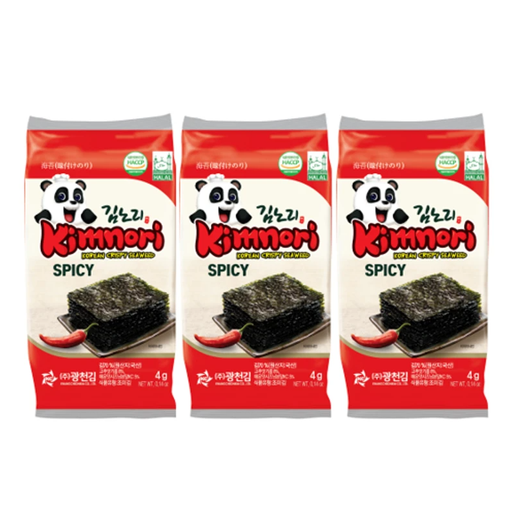
Why this fits the profile: The three small portions are practical for lunch, drinks parties or a savoury snack without opening a large bag.
The contents are clearly specified as 3 packets of 4 g. Do check the actual packaging for the full ingredients and allergen information.
Small portions; spicy flavour according to the product name; ready to eat.
We’ve put together a full, up-to-date list of products that fully meet these strict selection criteria and comply with current European safety regulations.
For a wider Asian supermarket experience online, you can also look out for:
Many dried and tinned products have a relatively long shelf life when stored in a cool, dry, dark place. Always check the date on the packaging. After opening, moisture and air can affect the texture; seal bags properly and follow the specific instructions.
Check whether sugar, glucose, sulphites or other additives have been used. Also compare the sugar content per 100 g and the net weight. You should only assume “no added sugar” when this is clearly supported on the packaging and ingredients list.
That varies from product to product. Soya is common in tofu and seasoning mixes, sesame in some seaweed snacks, and gluten in soya sauce powder and baklava, among other things. Read the allergen information on the actual packaging and, if in doubt, don’t buy a product whose ingredients aren’t clear.
