
Vandaag of morgen in huis

Kwaliteit gegarandeerd

Welkomstaanbiedingen ontgrendelen: GRATIS bezorging | Tot 80% korting | Gratis 30 dagen JoyPlus-proefperiode
Download de app
When you buy Asian snacks and cakes, you’ll quickly find a wide selection of soft cakes, filled pastries, dorayaki and chocolate treats. Packaging often uses words such as “authentic”, “rich” or “premium”, but these tell you little about size, ingredients or how practical a product is. Use these checks to compare products based on information you can actually verify.
Matcha, milk, strawberry and chocolate sound straightforward, but the amount of the ingredient that gives a product its flavour can vary considerably. For example, the C2 Matcha Chocolate Flavour Soft Heart Tart lists 1.5% matcha powder. Its filling also contains compound chocolate and other ingredients. If you’re expecting a pronounced matcha flavour, it’s worth checking the ingredients list rather than relying on the product name alone.
The same applies to a matcha chocolate tart: check whether it’s a tart, cake, tartlet or individual pastry. Its shape and portion size will also affect how you can serve it.
Asian cakes often have a long shelf life and are sold at room temperature. That doesn’t mean every product should be stored in the same way. For example, the Sakuraseika Hokkaido Milk Cake says it must be kept chilled. Other cakes should be stored in a cool, dry place.
So check:
A cake that can be kept in the cupboard is more convenient for the office or when you’re out and about than one that needs to stay chilled.
A 200 or 330 g pack may seem ideal for sharing, but check how many individual portions it contains. Individually wrapped snacks are handy for lunchboxes, work and travel. They also make it easier to reseal the rest of the pack.
A small pack, such as a 52 or 80 g baumkuchen, is better suited to a one-off dessert. A larger pack, such as Aji Dorayaki Red Bean 200g with 16 portions, makes more sense if you want to share or keep snacks in stock.
Always check the allergens highlighted in bold on the product packaging. Many Japanese snacks, Asian cakes and filled cake products contain combinations of:
For example, the Yuki & Love Mini Dorayaki Red Bean contains wheat, egg and soya, and may contain traces of peanuts, milk, nuts and sesame. This is useful information when choosing snacks for a family, office or party.
An online product description is useful for an initial comparison, but if you’re unsure, check the label when your order arrives too. Ingredients and warnings can vary between packs.
Don’t compare products by total weight alone. Check the number of pieces and how they’re packaged too. For example:
Individual wrappers are practical when you’re out and about. For serving with tea, a larger cake or baumkuchen may be easier to slice and share.
Nutritional values per 100 g make it easier to compare products. Pay particular attention to energy, fat, saturates, sugars and salt. This isn’t a judgement on a product, but it can help you choose portions and decide when to enjoy it.
For example, Sakura Seika Castella White Peach contains 162 kcal per 100 g, while C2 Matcha Chocolate Tart contains 535 kcal per 100 g. The products also differ considerably in their ingredients and portion formats. Use the figures as a guide for comparison and follow the recommended portion on the packaging.
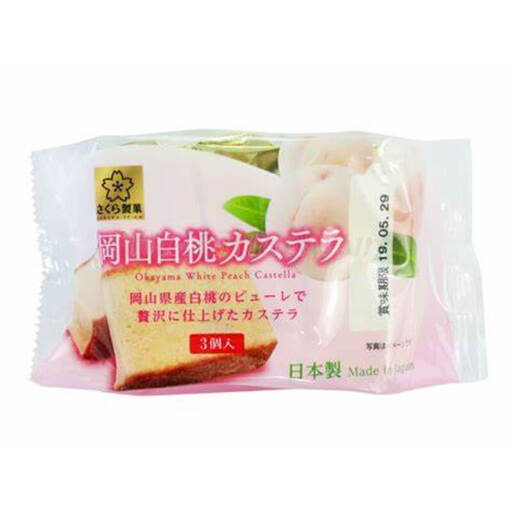
Why it suits this shopper: The 130 g pack is a manageable size if you’re trying a Japanese fruit-flavoured cake for the first time. The product information describes a soft texture and white peach purée.
The product details include ingredients, allergens and nutritional values. That means you can check the flavour and ingredients before you buy.
130 g pack; 162 kcal per 100 g according to the stated nutritional information; contains white peach purée.
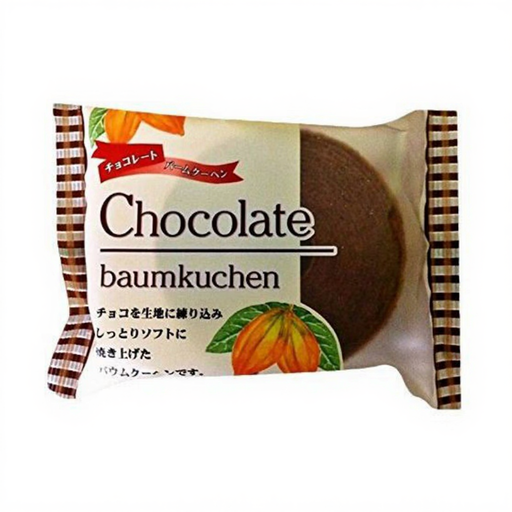
Why it suits this shopper: According to the product description, this chocolate cake has a layered baumkuchen texture and comes in an 80 g pack. It’s a good choice for a special dessert or coffee break.
The size and product category are clearly described. The allergen information lists wheat, egg, milk and soya, so you don’t have to rely on the chocolate flavour alone.
Individually wrapped 80 g cake; layered baumkuchen; 420 kcal per 100 g according to the product information.
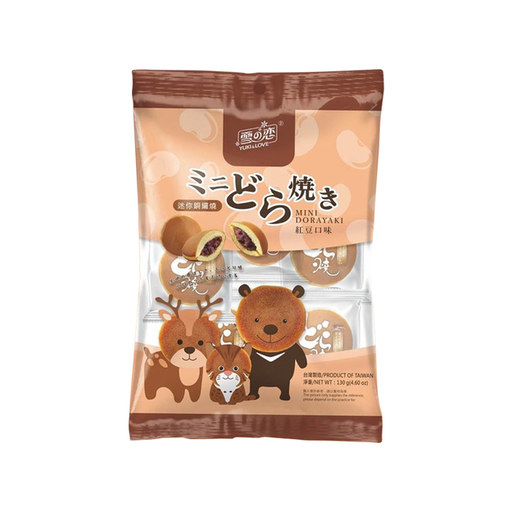
Why it suits this shopper: Mini dorayaki with red bean filling are ideal for work, study, eating on the go or serving on a snack platter. The individual portions make them easy to share.
The product description clearly states that these are mini-sized and filled with red bean. The allergen and possible-trace information can help when planning snacks to share.
130 g; soft mini dorayaki; 27.3% red bean paste according to the ingredients list.
We’ve put together a complete, up-to-date list of products that meet these strict selection criteria and the applicable European safety requirements.
Choose small, individually wrapped snacks such as mini dorayaki, baumkuchen or individual cakes. Check in advance whether the product can be stored at room temperature. A chilled milk cake is less practical for a long train journey or a working day without a fridge.
The exact shelf life is shown on the packaging and varies by product. Store each cake according to the instructions and seal the pack carefully after opening. Soft-textured products may dry out more quickly once opened, so eat them within the recommended period.
Check what percentage of the filling is listed, which allergens are present and how many pieces are in the pack. With red bean dorayaki, it’s also useful to check whether you’re looking for a mini size, an individually wrapped option or a larger pack to share.
