
Vandaag of morgen in huis

Kwaliteit gegarandeerd

Welkomstaanbiedingen ontgrendelen: GRATIS bezorging | Tot 80% korting | Gratis 30 dagen JoyPlus-proefperiode
Download de app
Buying Asian snacks is easy, but comparing products does take a bit of care. A striking packet, a well-known brand name or an unusual flavour doesn't always tell you enough about what you're getting. With Japanese snacks, Korean snacks and mochi in particular, portion size, allergens and shelf life are important differences.
Three common pitfalls to watch out for:
Don't just compare the number of pieces – compare the total weight too. A pack of nine small chocolate wafers is handy for sharing out, whereas a 40 g bag is better suited as an individual snack.
For a party or snacks to share, individually wrapped products are practical. Fruitella Mix or Minis, for example, contains 410 g of individually wrapped sweets. For on the go, small packs like Tokimeki Panda Cookies or a portion pack of Pocky are easier to manage.
Also pay attention to the texture. Mochi is soft and chewy, biscuits are crunchy, and Choco Pie consists of soft cake with a filling and a chocolate coating. So choose based on when you want to eat the snack, not just on the flavour name.
The ingredients list is more important than marketing words like "creamy", "authentic" or "premium". Check in particular for:
For example: Lindt Excellence Dark Orange contains almonds and also mentions milk and soya. Toblerone contains milk, almonds, egg and soya. Hello Panda strawberry sandwich biscuits contain wheat, milk and soya and, according to the product information, may contain traces of egg, peanuts and nuts.
If you have a food allergy or follow a specific diet, it's wise to always check the label on the pack you receive. Recipes and packaging can vary by market or delivery.
Chocolate, mochi and sweets should generally be stored in a cool, dry place, away from direct sunlight and heat. This is especially relevant when buying chocolate in summer. KitKat Gold, for example, states that a white layer can appear when the product gets warm and then cools down again. According to the product information, this is a separation of oils; the flavour may change.
Mochi needs extra attention after opening. For different varieties, it states that you should seal the pack well, keep the product refrigerated and consume it within the period stated on the pack. So check the best-before date and storage instructions before ordering a larger quantity.
Japanese sweets and biscuits are often a good choice if you want to try new flavours. Think KitKat Japan with strawberry, Pocky, Hello Panda and ramune mochi. Korean snacks like Orion Choco Pie usually combine cake, filling and chocolate. If you prefer something more classic, you can also compare chocolate bars or well-known milk chocolate.
The following selection links objective product features to different usage situations.
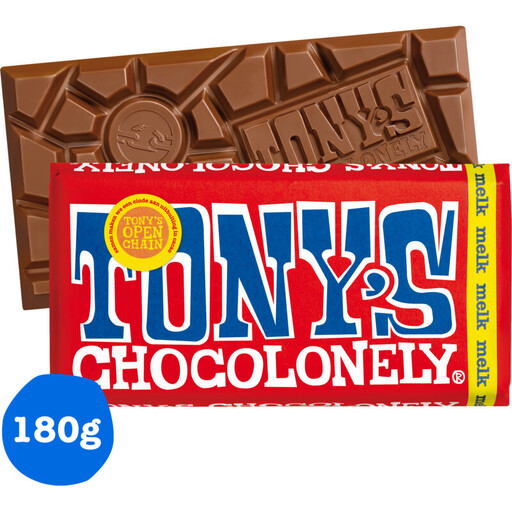
Why this suits the profile: A larger 180 g bar is practical for dividing at home or breaking into pieces. The product information states Belgian milk chocolate with a minimum of 32% cocoa solids.
The net weight is clearly stated, so you can compare the price per gram instead of just looking at the packaging.
180 g; suitable for sharing; allergens: milk and soya, with possible traces of egg, nuts and gluten-containing cereals.
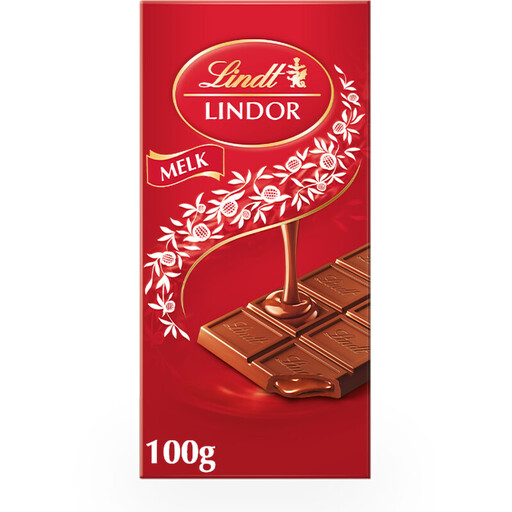
Why this suits the profile: The 100 g bar combines milk chocolate with a soft, melting filling. That suits a quiet moment of indulgence or a gift featuring Asian snacks and other sweets.
The contents and nutritional values are specified. Do compare the price per 100 g and check the listed milk, soya and gluten allergens.
100 g; soft filling; store in a cool, dry place; contains milk, soya, gluten and lactose.
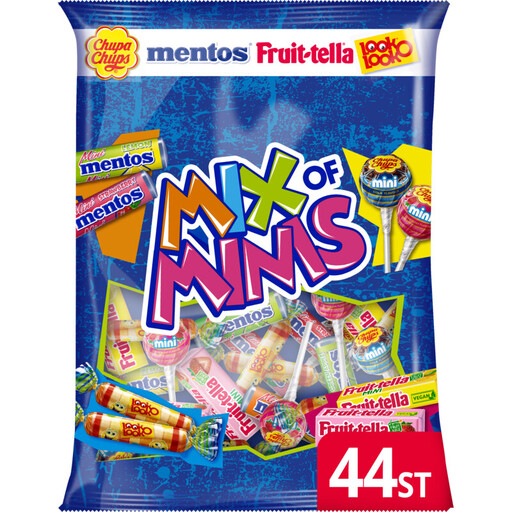
Why this suits the profile: The mix of Fruitella, Mentos, Chupa Chups and Look-O-Look contains individually wrapped sweets. This makes the pack ideal for birthdays, student evenings and snacks to share.
The assortment makes it clear what you're getting: multiple brands and flavours in one pack. That way you don't have to buy several small bags separately.
410 g; individually wrapped; according to the product information, none of the 14 main EU allergens.
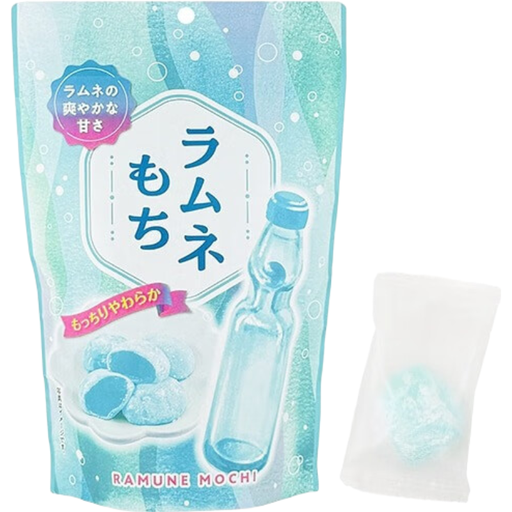
Why this suits the profile: The combination of soft, chewy mochi and ramune soda flavour is ideal for anyone who wants to compare Japanese snacks with familiar biscuits and chocolate bars.
The product information states the 130 g portion size, individual wrappers and soya as an allergen. Also check the label for possible traces of wheat and milk.
130 g; individually wrapped pieces; ramune flavour; suitable for sharing or giving as a gift.
We've put together a full, up-to-date list of products that fully meet these strict selection criteria and comply with current European safety regulations.
You can search online by product type, country of origin, brand and flavour. With Japanese sweets, KitKat Japan, Pocky and mochi, be sure to check the product details, allergens and shelf life. For Korean snacks, Choco Pie and similar cake products are popular choices within the sweet range.
The exact shelf life is stated on the packaging. Unopened chocolate and sweets should generally be stored in a cool, dry place away from direct sunlight. After opening, mochi may have a shorter consumption period, sometimes requiring refrigerated storage. Always follow the instructions on the product you receive.
Choose individually wrapped products or packs with multiple portions. Fruitella Mix of Minis is practical for a larger group. Pocky, Hello Panda, KitKat with strawberry and small mochi packs are ideal for serving several different flavours side by side. Check the allergens in advance if several people will be eating.
